How to Clean Outdoor Furniture: Complete Step-by-Step Guide for Every Material
Published: 10 Jul 2026
Introduction
Outdoor furniture transforms patios, decks, balconies, gardens, porches, and poolside spaces into comfortable living areas. Sunlight, rain, dust, pollen, bird droppings, tree sap, mold, mildew, and pollution gradually damage every type of furniture if regular maintenance is ignored. Learning how to clean outdoor furniture correctly protects your investment, improves appearance, extends furniture life, and creates a healthier outdoor environment.
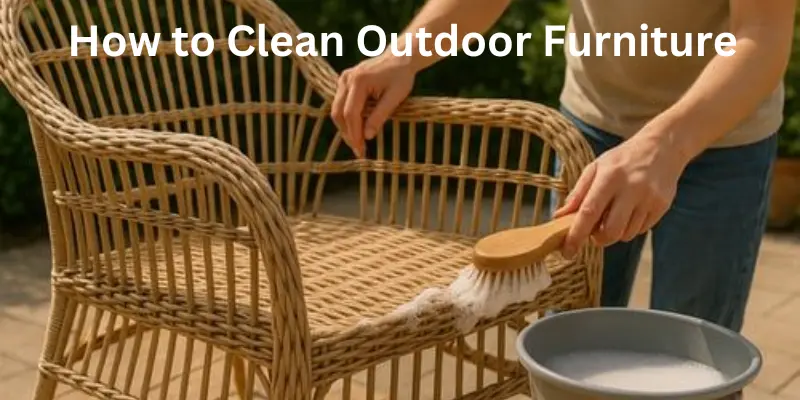
Many homeowners believe pressure washing or using strong chemicals is the fastest solution. That approach often damages finishes, fades colors, weakens wood fibers, scratches metals, and shortens the lifespan of cushions. Each furniture material requires a different cleaning method, suitable cleaning products, and proper drying techniques.
This guide explains professional cleaning methods for wood, metal, plastic, resin, wicker, rattan, fabric cushions, glass tables, and composite furniture. It also covers seasonal maintenance, stain removal, mold treatment, protective coatings, and expert care recommendations.
Whether you own a small balcony set or a complete outdoor dining collection, this guide helps you understand how to clean outdoor furniture safely and effectively.
Why Regular Outdoor Furniture Cleaning Matters
Outdoor furniture remains exposed to weather every day. Even high-quality materials slowly collect dirt and contaminants that affect both appearance and durability.
Regular cleaning helps:
- Prevent mold and mildew growth
- Remove pollen and allergens
- Protect paint and finishes
- Reduce rust formation
- Prevent permanent stains
- Increase furniture lifespan
- Improve outdoor aesthetics
- Save money on repairs
- Reduce replacement costs
- Maintain manufacturer warranties
Routine maintenance also makes seasonal deep cleaning much easier.
Common Dirt Found on Outdoor Furniture
Different outdoor environments create different cleaning challenges.
Typical contaminants include:
- Dust
- Mud
- Bird droppings
- Tree sap
- Flower pollen
- Grease
- Food spills
- Beverage stains
- Mold
- Mildew
- Moss
- Algae
- Insect residue
- Smoke particles
- Hard water stains
- Salt deposits in coastal areas
Identifying the type of dirt helps determine the safest cleaning solution.
Essential Supplies Before You Clean Outdoor Furniture
Having the right equipment prevents accidental damage.
Recommended cleaning supplies include:
- Soft microfiber cloths
- Garden hose
- Bucket
- Mild dish soap
- Soft sponge
- Soft-bristle brush
- Old toothbrush
- Vacuum cleaner with brush attachment
- White vinegar
- Baking soda
- Spray bottle
- Rubber gloves
- Dry towels
Optional supplies include:
- Furniture wax
- Protective sealant
- Wood oil
- Rust remover
- Outdoor fabric protector
- Mold remover designed for outdoor furniture
Avoid steel wool, wire brushes, abrasive powders, bleach on delicate materials, and harsh solvents unless recommended by the manufacturer.
How Often Should You Clean Outdoor Furniture?
Cleaning frequency depends on climate and usage.
General recommendations include:
| Cleaning Task | Frequency |
|---|---|
| Dust removal | Weekly |
| Wipe surfaces | Every 2 weeks |
| Cushion cleaning | Monthly |
| Deep cleaning | Every season |
| Protective treatment | Once or twice yearly |
| Winter storage cleaning | Before storage |
| Spring preparation | Before outdoor season |
Homes near beaches, forests, construction zones, or busy roads may require more frequent cleaning.
Safety Tips Before Cleaning Outdoor Furniture
Before beginning any cleaning project, follow several safety precautions.
Always:
- Read manufacturer instructions.
- Test cleaners on hidden areas.
- Wear gloves when handling chemicals.
- Protect nearby plants.
- Avoid mixing cleaning products.
- Clean during mild weather.
- Allow furniture to dry completely.
- Disconnect electrical accessories.
- Move furniture to a shaded area whenever possible.
Proper preparation prevents accidental damage.
How to Prepare Outdoor Furniture Before Washing
Preparation removes loose dirt before wet cleaning begins.
Start by:
Removing cushions.
Vacuuming all surfaces.
Brushing away leaves.
Removing cobwebs.
Checking for loose screws.
Inspecting for cracks.
Looking for rust.
Examining mold growth.
Removing loose debris from joints.
Preparation reduces scratching during washing.
Best Homemade Outdoor Furniture Cleaning Solution
Many homeowners prefer inexpensive homemade cleaners.
A basic cleaning solution includes:
- One gallon warm water
- Two tablespoons mild dish soap
For stubborn dirt:
- One cup white vinegar
- One gallon warm water
For greasy stains:
- Mild soap
- Small amount of baking soda paste
These simple solutions work well for most furniture materials.
How to Clean Plastic Outdoor Furniture
Plastic furniture remains popular because it is lightweight, affordable, and weather resistant.
Begin by rinsing loose dirt with a garden hose.
Mix warm water with mild dish soap.
Use a sponge or soft brush to clean every surface.
Scrub textured areas gently.
Clean chair legs thoroughly.
Rinse with clean water.
Dry using microfiber towels.
For stubborn stains, apply baking soda paste for several minutes before scrubbing gently.
Avoid abrasive scrubbers that leave permanent scratches.
How to Remove Yellow Stains from Plastic Patio Furniture
White plastic often develops yellow discoloration.
Effective methods include:
Using baking soda paste.
Applying diluted white vinegar.
Using oxygen-based cleaners approved for plastic.
Cleaning in small sections.
Rinsing immediately.
Drying completely.
Avoid chlorine bleach unless approved by the manufacturer because repeated use weakens plastic.
How to Clean Resin Outdoor Furniture Without Damaging the Finish
Resin furniture requires gentle cleaning.
Wash with:
- Mild soap
- Warm water
- Soft cloth
Rinse thoroughly.
Dry with clean towels.
Avoid pressure washers at close range because excessive force may damage the surface texture.
How to Clean Metal Outdoor Furniture
Metal furniture offers excellent durability but requires protection against corrosion.
Different metals need slightly different care.
Aluminum resists rust.
Steel requires rust prevention.
Iron needs protective coatings.
Powder-coated furniture requires gentle cleaning.
Begin with soap and warm water.
Wash using a soft sponge.
Clean corners using an old toothbrush.
Rinse thoroughly.
Dry immediately.
Moisture left on metal encourages corrosion over time.
Cleaning Aluminum Patio Furniture
Aluminum naturally resists rust.
Cleaning steps include:
Removing loose dust.
Washing with mild soap.
Rinsing completely.
Drying immediately.
Applying automotive wax once or twice yearly for additional protection.
Avoid highly acidic cleaners.
Cleaning Wrought Iron Outdoor Furniture
Wrought iron demands additional maintenance.
Inspect for:
- Rust
- Paint chips
- Loose joints
Wash with warm soapy water.
Dry immediately.
Light rust can be removed using fine sandpaper followed by rust-resistant primer and outdoor paint.
Never allow rust to spread for extended periods.
Signs Your Outdoor Furniture Needs Deep Cleaning
Furniture often appears clean while hidden contaminants continue causing damage.
Watch for:
- Sticky surfaces
- Mold spots
- Fading
- Musty odor
- Water stains
- Rough texture
- Bird residue
- Green algae
- White mineral deposits
- Fabric discoloration
These signs indicate the need for complete cleaning rather than simple dust removal.
Expert Maintenance Tips for Longer Furniture Life
Professional maintenance focuses on prevention instead of repair.
Simple habits include:
Cleaning spills immediately.
Using furniture covers.
Keeping cushions dry.
Avoiding standing water.
Moving furniture during severe storms.
Applying protective finishes yearly.
Inspecting screws regularly.
Cleaning before seasonal storage.
Small maintenance efforts significantly increase furniture lifespan.
How to Clean Wooden Outdoor Furniture Without Damaging the Finish
Wooden outdoor furniture adds natural beauty to patios, decks, gardens, and porches. Different wood species require different care. Teak, cedar, eucalyptus, acacia, oak, and pine all respond differently to moisture, sunlight, and cleaning products. Understanding how to clean outdoor furniture made from wood helps preserve its strength and appearance for many years.
Begin by removing loose dust and leaves with a soft brush.
Mix warm water with a few drops of mild dish soap.
Dip a soft sponge into the solution.
Scrub gently along the wood grain.
Clean corners with a soft-bristle brush.
Rinse lightly using clean water.
Dry immediately with microfiber towels.
Allow furniture to air dry completely before applying any protective treatment.
Avoid soaking wooden furniture because excessive moisture can cause swelling, cracking, or warping.
How to Clean Teak Outdoor Furniture Naturally
Teak contains natural oils that protect it from insects, moisture, and decay. Over time, the golden color gradually changes into an attractive silver-gray patina. Many homeowners prefer this natural aging process.
Cleaning teak furniture is straightforward.
Brush away loose dirt.
Wash using warm water and mild soap.
Scrub lightly with a soft brush.
Rinse carefully.
Allow complete drying.
If restoring the original golden color, use a teak cleaner designed specifically for outdoor furniture. Follow manufacturer instructions carefully.
Avoid pressure washers because they can damage teak fibers.
Cleaning Cedar Outdoor Furniture
Cedar naturally resists insects and decay but still benefits from routine maintenance.
Wash using mild soap and warm water.
Use a soft sponge.
Remove mildew immediately.
Dry thoroughly.
Apply an outdoor wood sealant once every year to improve weather resistance.
How to Remove Mold from Wooden Patio Furniture
Moisture encourages mold growth, especially in shaded areas.
Prepare a cleaning solution using:
- One gallon warm water
- One cup white vinegar
Apply with a soft brush.
Scrub affected areas gently.
Rinse completely.
Allow furniture to dry in direct sunlight.
Persistent mold may require a commercial wood-safe mildew remover.
How to Clean Wicker Outdoor Furniture
Wicker furniture includes both natural wicker and synthetic resin wicker. Each requires slightly different maintenance.
Vacuum the furniture using a brush attachment.
Remove dust trapped inside woven areas.
Mix warm water with mild soap.
Use a soft cloth.
Clean each woven section carefully.
Rinse lightly.
Dry completely before replacing cushions.
Standing water trapped inside wicker may encourage mildew.

Cleaning Natural Wicker Furniture
Natural wicker should never become saturated with water.
Instead:
Use a damp cloth.
Clean small sections.
Dry immediately.
Keep furniture under covered patios whenever possible.
Natural wicker lasts much longer when protected from heavy rain.
How to Clean Resin Wicker Furniture
Synthetic resin wicker tolerates water much better.
Rinse using a garden hose.
Wash with mild soap.
Use a soft brush between woven strands.
Rinse thoroughly.
Dry completely.
Avoid harsh chemical cleaners that may fade synthetic finishes.
Best Way to Clean Outdoor Cushions
Outdoor cushions collect dust, food spills, sunscreen, pollen, pet hair, and mold spores.
Remove cushions from furniture.
Vacuum thoroughly.
Shake out loose dirt.
Read the care label.
Prepare warm soapy water.
Scrub gently with a soft brush.
Rinse using clean water.
Stand cushions upright while drying.
Never store cushions while damp.
How to Remove Stains from Outdoor Cushions
Different stains require different treatments.
Food stains:
Clean immediately using dish soap.
Grease stains:
Apply baking soda first.
Brush gently.
Wash afterward.
Grass stains:
Use diluted white vinegar.
Wine stains:
Blot immediately.
Wash with mild detergent.
Ink stains:
Follow manufacturer recommendations before using specialty cleaners.
Quick treatment prevents permanent staining.
How to Remove Mold and Mildew from Outdoor Cushions
Mold appears as black, green, or gray spots accompanied by a musty odor.
Clean using:
- One gallon warm water
- One cup white vinegar
Apply using a spray bottle.
Allow several minutes.
Scrub gently.
Rinse thoroughly.
Dry completely under sunlight.
Sunlight naturally reduces remaining moisture.
Cleaning Outdoor Fabric Furniture
Outdoor fabrics resist moisture better than indoor upholstery.
Routine maintenance includes:
Vacuuming weekly.
Removing spills quickly.
Cleaning bird droppings immediately.
Washing removable covers according to care instructions.
Drying completely before use.
Fabric protectors may improve stain resistance after cleaning.
How to Clean Mesh Patio Chairs
Mesh chairs allow airflow but trap dust inside the woven material.
Vacuum first.
Wash using warm soapy water.
Scrub gently with a soft brush.
Rinse completely.
Dry naturally.
Inspect the mesh for tears during every cleaning session.
How to Clean Outdoor Sling Chairs
Sling chairs usually contain vinyl-coated polyester fabric.
Use:
Warm water
Mild soap
Soft sponge
Avoid bleach unless approved by the manufacturer.
Dry completely before storing.
Cleaning Outdoor Glass Tables
Glass tabletops show fingerprints, pollen, and water spots quickly.
Remove loose dirt first.
Wash using warm water and mild soap.
Dry with microfiber cloths.
Finish with a glass cleaner approved for outdoor use if necessary.
Avoid abrasive pads that scratch glass surfaces.
How to Remove Hard Water Stains from Glass Patio Tables
Hard water leaves cloudy white deposits.
Mix equal parts:
White vinegar
Warm water
Spray onto glass.
Allow several minutes.
Wipe clean using microfiber cloths.
Repeat if necessary.
Dry immediately to prevent new mineral deposits.
Cleaning Composite Outdoor Furniture
Composite furniture combines recycled materials with weather-resistant polymers.
Routine care includes:
Rinsing with water.
Washing using mild soap.
Scrubbing gently.
Drying thoroughly.
Composite materials require very little maintenance compared to natural wood.
How to Clean Outdoor Dining Sets
Dining furniture accumulates food residue and grease.
After every meal:
Remove crumbs.
Wipe spills.
Wash weekly.
Deep clean every season.
Pay special attention to:
Chair arms
Table edges
Umbrella holes
Leg joints
These areas collect hidden dirt.
Cleaning Outdoor Coffee Tables
Coffee tables often collect beverage stains and dust.
Wash with mild soap.
Rinse completely.
Dry immediately.
Protect glass tops using coasters to reduce future cleaning.
How to Clean Outdoor Benches
Outdoor benches require material-specific care.
Wood benches:
Use wood-safe soap.
Metal benches:
Inspect for rust.
Plastic benches:
Wash using mild detergent.
Composite benches:
Clean with soft brushes.
Inspect bolts and fasteners during every seasonal cleaning.
Removing Bird Droppings Safely
Bird droppings contain acids that stain finishes.
Wear gloves.
Remove residue promptly.
Wash using warm soapy water.
Rinse thoroughly.
Dry completely.
Never scrape dried droppings using metal tools.
Removing Tree Sap from Outdoor Furniture
Tree sap hardens quickly.
Place ice inside a plastic bag.
Hold against the sap.
Allow hardening.
Lift carefully using a plastic scraper.
Clean remaining residue using mild soap.
Avoid sharp metal blades.
How to Remove Grease from Outdoor Furniture
Cooking areas often leave grease deposits.
Sprinkle baking soda over greasy spots.
Allow several minutes.
Brush gently.
Wash using warm soapy water.
Rinse thoroughly.
Dry completely.
Seasonal Deep Cleaning Checklist
At the beginning of every outdoor season:
- Wash all furniture.
- Inspect for rust.
- Tighten screws.
- Repair damaged finishes.
- Wash cushions.
- Clean umbrella frames.
- Apply protective coatings.
- Replace damaged feet.
- Remove mold.
- Polish metal surfaces if needed.
Seasonal maintenance reduces expensive repairs later.
Professional Cleaning Mistakes to Avoid
Many furniture problems result from improper cleaning rather than weather exposure.
Avoid these common mistakes:
- Using pressure washers too closely.
- Applying bleach to delicate fabrics.
- Scrubbing with wire brushes.
- Leaving furniture wet.
- Ignoring mold growth.
- Using harsh chemical solvents.
- Skipping seasonal inspections.
- Storing damp cushions.
- Cleaning in direct midday sunlight.
- Mixing different cleaning chemicals.
Proper cleaning methods preserve both appearance and structural integrity.
How to Protect Outdoor Furniture After Cleaning
Knowing how to clean outdoor furniture is only part of proper maintenance. Protecting furniture after cleaning helps preserve its appearance and extends its service life. Every material benefits from an appropriate protective treatment once it is completely dry.
For wooden furniture, apply a high-quality outdoor wood sealant or oil recommended for the specific wood species. Metal furniture benefits from protective wax or rust-resistant coatings. Plastic and resin furniture can be protected with UV-resistant products designed for outdoor use. Outdoor fabrics should receive a fabric protector to improve resistance against moisture and stains.
Allow all protective products to cure according to the manufacturer’s instructions before placing furniture back into regular use.
How to Store Outdoor Furniture During Winter
Cold temperatures, snow, ice, and constant moisture can shorten the lifespan of outdoor furniture. Proper winter storage minimizes seasonal damage.
Before storage:
- Wash every furniture piece thoroughly.
- Remove dirt and debris.
- Dry completely.
- Repair damaged finishes.
- Tighten loose hardware.
- Clean cushions separately.
- Inspect for mold.
- Apply protective coatings if needed.
Store furniture inside a garage, shed, basement, or covered storage area whenever possible.
If indoor storage is unavailable, use breathable waterproof furniture covers rather than airtight plastic sheets that trap moisture.
Best Outdoor Furniture Covers for Long-Term Protection
Furniture covers reduce exposure to:
- Rain
- Snow
- UV rays
- Dust
- Bird droppings
- Tree sap
- Falling leaves
Choose covers that include:
- Waterproof fabric
- Breathable material
- UV resistance
- Adjustable straps
- Reinforced seams
- Proper ventilation
Well-fitted covers reduce maintenance throughout the year.
How Weather Affects Outdoor Furniture
Every season creates unique maintenance challenges.
Summer
Strong sunlight causes fading, drying, and cracking.
Rainy Season
Constant moisture encourages mold, mildew, algae, and rust.
Autumn
Leaves trap moisture and stain furniture surfaces.
Winter
Snow and freezing temperatures weaken finishes and may crack certain materials.
Understanding seasonal effects helps homeowners plan preventive maintenance.
Simple Weekly Outdoor Furniture Maintenance Routine
A consistent maintenance schedule keeps furniture in excellent condition.
Weekly tasks include:
- Remove leaves.
- Dust surfaces.
- Wipe spills immediately.
- Inspect cushions.
- Remove standing water.
- Check hardware.
- Clean glass tops.
- Brush away cobwebs.
Weekly care reduces the need for aggressive deep cleaning later.
Monthly Outdoor Furniture Maintenance Checklist
Once each month:
- Wash all furniture.
- Vacuum cushions.
- Inspect joints.
- Tighten bolts.
- Check for rust.
- Remove mildew.
- Inspect protective finishes.
- Clean umbrella frames.
- Examine furniture covers.
Monthly inspections identify problems before they become expensive repairs.
Annual Outdoor Furniture Care Schedule
At least once every year:
- Deep clean every furniture piece.
- Sand damaged wooden surfaces if necessary.
- Repaint scratched metal furniture.
- Reapply sealants.
- Replace worn protective pads.
- Lubricate moving parts.
- Wash storage covers.
- Inspect structural stability.
Annual maintenance significantly extends furniture lifespan.
Eco-Friendly Ways to Clean Outdoor Furniture
Many homeowners prefer environmentally friendly cleaning methods.
Effective natural cleaners include:
- White vinegar
- Baking soda
- Mild biodegradable dish soap
- Lemon juice for limited stain removal
- Warm water
Avoid excessive chemical cleaners that may affect nearby plants, lawns, and pets.
Eco-friendly cleaning protects both outdoor furniture and the surrounding environment.
Signs It Is Time to Replace Outdoor Furniture
Cleaning cannot solve every problem.
Replacement may be necessary when furniture shows:
- Severe structural cracks
- Broken frames
- Extensive rust through metal
- Large areas of rotted wood
- Unrepairable wicker
- Torn structural fabric
- Unsafe joints
- Major instability
Safety should always take priority over appearance.
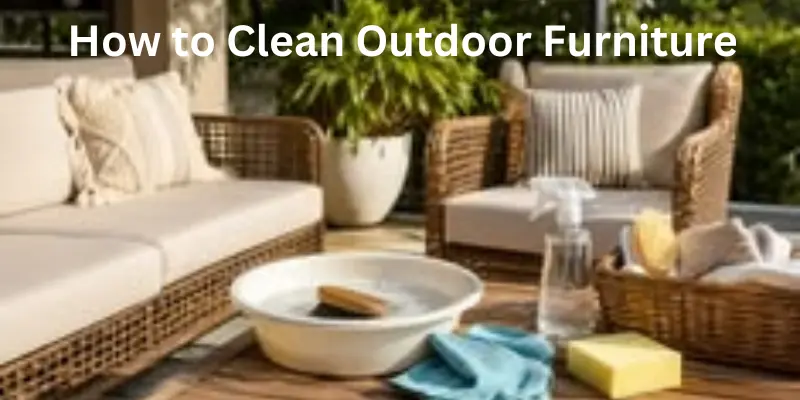
Frequently Asked Questions About How to Clean Outdoor Furniture
Can I use bleach to clean outdoor furniture?
Bleach should only be used when approved by the manufacturer. It may discolor fabrics, damage wood, weaken wicker, and reduce the lifespan of certain materials.
Can I pressure wash patio furniture?
Pressure washing is suitable only for some durable materials and should be done using low pressure from a safe distance. High pressure may damage finishes, wood fibers, and woven materials.
How often should outdoor furniture be cleaned?
Light cleaning every one to two weeks and deep cleaning at least once each season keeps outdoor furniture in excellent condition.
What is the safest homemade cleaner for outdoor furniture?
Warm water mixed with mild dish soap works well for most furniture. White vinegar can help remove mildew and mineral deposits on appropriate surfaces.
How do I stop mold from returning?
Keep furniture dry, improve air circulation, clean regularly, and store cushions only after they are completely dry.
Can outdoor cushions stay outside all year?
Although many cushions are weather-resistant, storing them indoors during prolonged rain or winter extends their lifespan.
Should I oil wooden outdoor furniture every year?
Most hardwood furniture benefits from periodic oiling or sealing, depending on the manufacturer’s recommendations and local climate.
Can I clean furniture in direct sunlight?
It is better to clean furniture in a shaded area because cleaning solutions may dry too quickly in strong sunlight, leaving streaks or residue.
Expert Tips for Keeping Outdoor Furniture Looking New
Professional maintenance focuses on consistency rather than intensive cleaning.
Follow these expert recommendations:
- Brush off dirt before it builds up.
- Clean spills as soon as they occur.
- Keep furniture covered when not in use.
- Rotate cushions regularly.
- Store accessories during severe weather.
- Repair small scratches immediately.
- Reapply protective coatings as recommended.
- Inspect hardware several times each year.
- Remove standing water after rain.
- Use cleaning products suitable for each material.
These practices reduce wear and help outdoor furniture maintain its original appearance for many years.
Conclusion
Learning how to clean outdoor furniture is one of the simplest ways to protect your outdoor living space and maximize the value of your investment. Regular cleaning removes dirt, mold, mildew, pollen, stains, and environmental contaminants before they cause permanent damage. Using the correct cleaning method for wood, metal, plastic, resin, wicker, fabric, glass, and composite materials preserves both appearance and structural integrity.
Consistent maintenance, seasonal inspections, protective treatments, and proper storage all contribute to longer-lasting outdoor furniture. Small preventive efforts require far less time and money than repairing or replacing neglected furniture. By following the techniques outlined in this guide, homeowners can keep patios, decks, balconies, gardens, and outdoor seating areas clean, attractive, and ready for use throughout the year.
Why Dumpster & Toilet Rentals NJ Are Essential for Construction, Renovation, and Outdoor Events




- Be Respectful
- Stay Relevant
- Stay Positive
- True Feedback
- Encourage Discussion
- Avoid Spamming
- No Fake News
- Don't Copy-Paste
- No Personal Attacks
- Be Respectful
- Stay Relevant
- Stay Positive
- True Feedback
- Encourage Discussion
- Avoid Spamming
- No Fake News
- Don't Copy-Paste
- No Personal Attacks
