Are Smart Homes Worth It: A Complete Guide to Costs, Benefits, and Real-Life Value
Published: 18 Apr 2026
Introduction: Are Smart Homes Worth It Today
The question “are smart homes worth it” has become increasingly common as technology continues to transform how we live. From voice-controlled lighting to fully automated security systems, smart homes promise convenience, efficiency, and modern living. But with upfront costs, privacy concerns, and ongoing maintenance, many homeowners still hesitate. For more comprehension Techoelite Smart Homes are helpful in this regards

In this in-depth guide, we’ll break down everything you need to know to decide whether smart homes are worth it for you. We’ll explore real costs, benefits, drawbacks, and practical use cases so you can make an informed decision.
What Is a Smart Home
Before answering are smart homes worth it, it’s important to understand what a smart home actually is.
A smart home uses internet-connected devices to automate and control household functions such as:
- Lighting
- Heating and cooling
- Security systems
- Appliances
- Entertainment systems
These devices can be controlled remotely via smartphone apps or voice assistants, creating a connected and automated living environment.
How Smart Homes Work
To fully evaluate are smart homes worth it, you need to understand how the ecosystem operates.
Key Components:
- Smart Hub: Central system connecting devices
- IoT Devices: Smart bulbs, thermostats, cameras
- Connectivity: Wi-Fi, Bluetooth, Zigbee
- Automation Rules: Pre-set actions based on triggers
For example, your lights can turn on automatically when you enter a room, or your thermostat can adjust based on your daily routine.
Benefits of Smart Homes
When asking are smart homes worth it, the benefits are often the biggest deciding factor.
1. Convenience and Automation
Smart homes simplify everyday tasks. You can control multiple devices with a single command or automate routines.
- Turn off all lights with one tap
- Schedule coffee makers
- Automate morning and night routines
This level of convenience is one of the main reasons people believe smart homes are worth it.
2. Energy Efficiency and Cost Savings
A major argument for are smart homes worth it is energy efficiency.
Smart devices help reduce energy consumption by:
- Automatically adjusting thermostats
- Turning off unused lights
- Monitoring energy usage
Over time, this can lead to noticeable savings on utility bills.
3. Enhanced Security
Smart security systems offer real-time monitoring and alerts.
Features include:
- Video doorbells
- Motion detectors
- Remote surveillance
- Smart locks
For many homeowners, improved safety is enough to answer “yes” to are smart homes worth it.
4. Remote Access and Control
Whether you’re at work or traveling, smart homes allow full control from anywhere.
- Lock/unlock doors remotely
- Check security cameras
- Adjust temperature
This flexibility adds significant value when evaluating are smart homes worth it.
5. Increased Property Value
Smart homes can boost resale value.
Modern buyers are often attracted to:
- Energy-efficient systems
- Integrated automation
- Advanced security features
This makes smart homes a long-term investment rather than just an expense.
Costs of Smart Homes
To fairly answer are smart homes worth it, we must consider the costs involved.
Initial Setup Costs
Smart home setup can vary widely:
- Basic setup: $200–$500
- Mid-range: $500–$2,000
- Advanced systems: $5,000+
Costs depend on the number of devices and level of automation.
Ongoing Expenses
- Subscription fees for security services
- Device upgrades
- Maintenance and replacements
These recurring costs are important when deciding are smart homes worth it.
Installation Costs
DIY setups are cheaper, but professional installation can add:
- $100–$1,500 depending on complexity
Drawbacks of Smart Homes
While many benefits exist, there are also downsides to consider when asking are smart homes worth it.
1. Privacy and Security Concerns
Smart devices collect data, which raises concerns about:
- Data breaches
- Unauthorized access
- Surveillance risks
This is one of the biggest hesitations for users.
2. Dependence on Internet Connectivity
Smart homes rely heavily on internet access.
- Devices may fail during outages
- Limited functionality offline
This can impact usability.
3. Compatibility Issues
Not all devices work together seamlessly.
- Different brands use different ecosystems
- Integration challenges
This can complicate setup and maintenance.
4. Learning Curve
Some users find smart home systems complex.
- App navigation
- Automation setup
- Troubleshooting issues
For non-tech-savvy individuals, this can reduce the perceived value.
Are Smart Homes Worth It for Different Users?
The answer to are smart homes worth it depends on your lifestyle.
For Tech Enthusiasts
Absolutely worth it.
- Enjoy automation
- Love experimenting with new tech
- Comfortable with setup and customization
For Busy Professionals
Smart homes can save time and improve efficiency.
- Automate daily routines
- Remote control of home systems
This makes smart homes highly valuable.
For Families
Smart homes enhance safety and convenience.
- Monitor children
- Secure home easily
- Control devices centrally
For Budget-Conscious Users
It depends.
- Start small with essential devices
- Gradually expand
Smart homes can still be worth it if implemented wisely.
Popular Smart Home Devices to Consider
If you’re still wondering are smart homes worth it, starting with these devices can help.
Smart Lighting
- Energy-efficient
- Remote and automated control
Smart Thermostats
- Optimize heating and cooling
- Reduce energy bills
Smart Security Systems
- Cameras and alarms
- Real-time alerts
Voice Assistants
- Control entire ecosystem
- Hands-free operation
Smart Homes and Energy Savings
Energy efficiency is a strong argument for are smart homes worth it.
How They Save Energy:
- Adaptive temperature control
- Smart scheduling
- Usage monitoring
Studies suggest energy savings of up to 20–30% in some households.
Smart Homes vs Traditional Homes
Smart Homes:
- Automated
- Energy-efficient
- Connected
Traditional Homes:
- Manual control
- Less efficient
- Lower upfront cost
The choice depends on your priorities and budget.
Future of Smart Homes
Looking ahead, the question are smart homes worth it will become even more relevant.
Emerging Trends:
- AI-driven automation
- Integration with wearable tech
- Improved interoperability
- Enhanced security features
Smart homes are expected to become more affordable and user-friendly.
Tips Before Investing in a Smart Home
To decide are smart homes worth it for you, consider these tips:
Start Small
Begin with essential devices like smart bulbs or plugs.
Choose Compatible Devices
Stick to one ecosystem to avoid integration issues.
Focus on Needs
Don’t buy unnecessary gadgets.
Prioritize Security
Use strong passwords and secure networks.
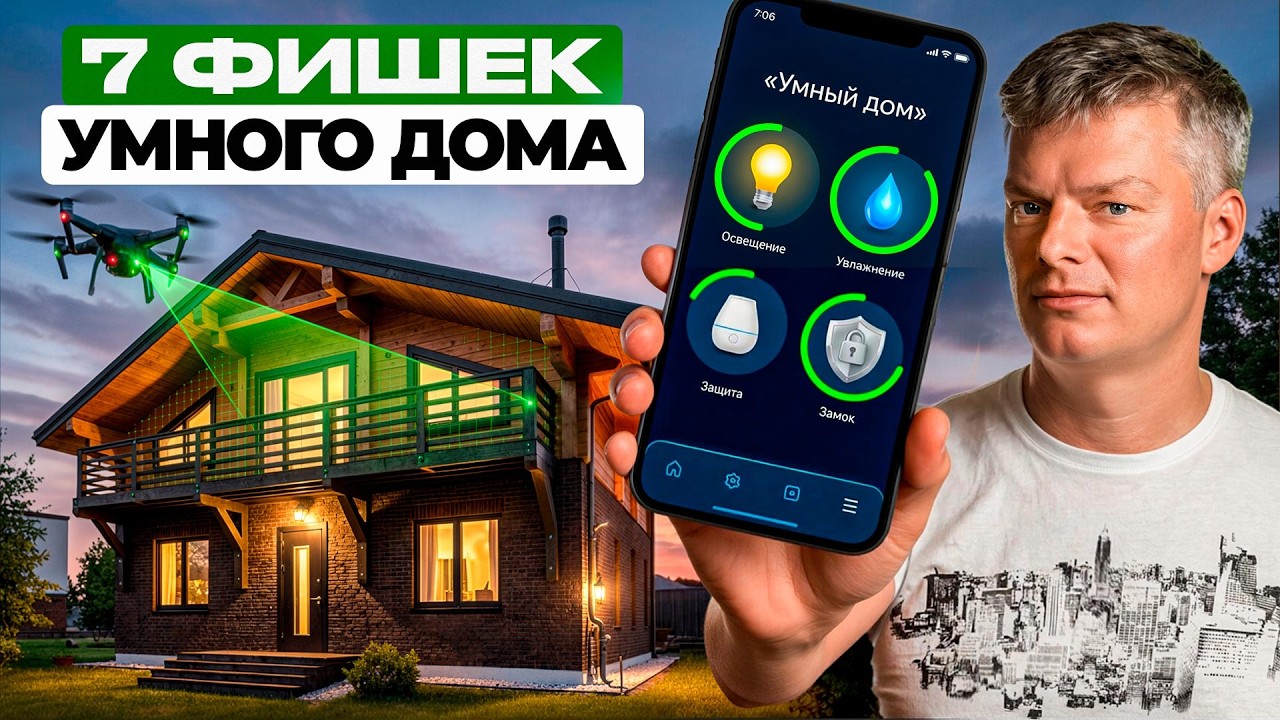
Real-Life Example: Is It Worth It?
Imagine a homeowner who installs:
- Smart thermostat
- Lighting system
- Security cameras
They may experience:
- Lower energy bills
- Improved safety
- Increased convenience
In such cases, the answer to are smart homes worth it is clearly yes.
Smart Home Privacy Laws and Regulations
When evaluating are smart homes worth it, understanding privacy laws is essential—especially in regions like Europe.
Key Regulations:
- GDPR (General Data Protection Regulation): The most important law governing smart home data in the EU. It requires:
- Explicit user consent for data collection
- Transparency about how data is used
- Data minimization (only necessary data collected)
- EU Data Act (2025): Gives users more control over data generated by smart devices and promotes data portability between platforms
- ePrivacy Directive: Protects user communications and device-level data (e.g., cookies and device tracking)
Why It Matters:
Smart home devices collect sensitive data like daily routines and behavior patterns, making compliance crucial.
Best Smart Home Ecosystems Comparison
Choosing the right ecosystem is critical when deciding are smart homes worth it.
Top Ecosystems:
| Ecosystem | Strengths | Weaknesses | Best For |
|---|---|---|---|
| Amazon Alexa | Wide compatibility, affordable | Privacy concerns | Beginners |
| Google Home | AI integration, smart automation | Limited customization | Smart AI users |
| Apple HomeKit | Strong privacy, secure | Expensive, limited devices | Privacy-focused users |
| Samsung SmartThings | Broad device support | Complex setup | Advanced users |
Key Takeaway:
Your ecosystem determines compatibility, automation, and long-term satisfaction.
Smart Home ROI (Return on Investment) Analysis
A major factor in are smart homes worth it is ROI.
Financial Benefits:
- Energy savings: 10–30% reduction in bills
- Increased property value
- Reduced insurance costs (security systems)
Costs:
- Initial setup: $500–$5,000+
- Maintenance & subscriptions
ROI Verdict:
Smart homes often pay off over time, especially with energy-efficient devices.
Voice Assistants Comparison Guide
Voice assistants are central to answering are smart homes worth it.
Top Assistants:
| Assistant | Best Feature | Limitation |
|---|---|---|
| Alexa | Device compatibility | Data concerns |
| Google Assistant | AI intelligence | Less privacy |
| Siri | Privacy-first | Limited features |
Verdict:
Choose based on privacy vs functionality priorities.
Smart Home Automation for Small Apartments
Even in compact spaces, are smart homes worth it can still be a “yes.”
Best Solutions:
- Smart plugs instead of full systems
- Multi-functional devices
- Space-saving sensors
Benefits:
- Lower cost
- Easy setup
- High convenience
DIY vs Professional Smart Home Installation
Another key factor in are smart homes worth it is installation method.
DIY Installation:
Pros:
- Cost-effective
- Flexible
Cons:
- Time-consuming
- Requires technical knowledge
Professional Installation:
Pros:
- Expert setup
- Seamless integration
Cons:
- Expensive
Common Smart Home Mistakes to Avoid
Avoid these pitfalls when deciding are smart homes worth it:
- Buying incompatible devices
- Ignoring security settings
- Over-automating everything
- Not updating firmware
- Choosing cheapest devices over reliable brands
Smart Home Maintenance Checklist
To ensure long-term value and answer are smart homes worth it, regular maintenance is essential.
Monthly:
- Update firmware
- Check device connectivity
Quarterly:
- Review automation rules
- Test security systems
Annually:
- Replace batteries
- Audit privacy settings
Integration with Renewable Energy Systems
Smart homes become even more valuable when combined with renewable energy.
Examples:
- Solar panel integration
- Smart energy monitoring
- Automated energy optimization
Benefits:
- Reduced carbon footprint
- Lower utility costs
- Higher ROI
Smart Home Trends Beyond 2026
Looking ahead helps answer are smart homes worth it long-term.
Emerging Trends:
- AI-powered predictive automation
- Fully integrated IoT ecosystems
- Increased focus on privacy-first devices
- Edge computing (local data processing)
- Smart homes connected to smart cities
The number of connected devices is expected to exceed 50 billion by 2030, showing massive growth potential.
Final Thoughts on These Topics
Each of these areas plays a critical role in determining are smart homes worth it. Privacy laws ensure safety, ecosystems determine usability, and ROI defines financial viability. Meanwhile, trends and innovations continue to push smart homes toward becoming a standard rather than a luxury.
Summary: Are Smart Homes Worth It?
So, are smart homes worth it?
Yes, if you value:
- Convenience
- Energy efficiency
- Security
- Modern living
Maybe not, if you:
- Have a tight budget
- Prefer simplicity
- Are concerned about privacy

Conclusion: Final Verdict on Are Smart Homes Worth It
In conclusion, are smart homes worth it depends on your needs, budget, and lifestyle. For many, the benefits outweigh the costs, especially as technology becomes more accessible and affordable.
Smart homes are not just a trend—they are the future of living. If implemented wisely, they can significantly improve comfort, efficiency, and security.
FAQs on Are Smart Homes Worth It
1. Are smart homes expensive to maintain?
They can have ongoing costs, but energy savings often offset expenses.
2. Are smart homes secure?
Yes, but proper security measures are essential.
3. Do smart homes increase property value?
Yes, they can make homes more attractive to buyers.
4. Can I build a smart home on a budget?
Yes, start with basic devices and expand gradually.
5. Do smart homes work without internet?
Limited functionality is available offline.
6. Are smart homes difficult to use?
Most modern systems are user-friendly.






- Be Respectful
- Stay Relevant
- Stay Positive
- True Feedback
- Encourage Discussion
- Avoid Spamming
- No Fake News
- Don't Copy-Paste
- No Personal Attacks
- Be Respectful
- Stay Relevant
- Stay Positive
- True Feedback
- Encourage Discussion
- Avoid Spamming
- No Fake News
- Don't Copy-Paste
- No Personal Attacks
