Home Decor Items: 35+ Ideas to Style Every Room
Published: 01 Oct 2026
The right home decor items can make an ordinary room feel warmer, more inviting, and more personal without requiring a major renovation. A mirror can make a small area feel brighter, a carefully chosen piece of wall art can create a focal point, and a simple vase or indoor plant can add color and texture to an otherwise plain surface.
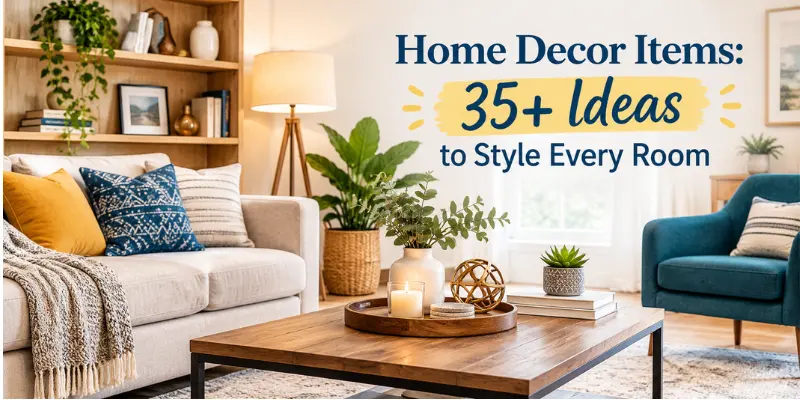
Decorating, however, is not simply about filling every empty space with attractive objects. The size of the room, existing furniture, color palette, lighting, available storage, and your everyday lifestyle should all influence your choices. A beautiful accessory can look out of place if it is too large, too small, or surrounded by too many competing pieces.
This guide covers 35+ home decor items for different rooms and explains how to select, arrange, and use them effectively. Whether you are refreshing a living room, bedroom, dining area, entryway, or home office, these ideas can help you create a more coordinated interior without making it feel overcrowded.
If you are new to the subject, start by understanding what home decor is before selecting individual accessories.
What Are Home Decor Items?
Home decor items are decorative or decorative-functional products used to improve the appearance, atmosphere, personality, and visual balance of an interior space. They include wall art, mirrors, vases, plants, candles, lamps, cushions, throws, rugs, clocks, photo frames, sculptures, decorative bowls, baskets, trays, and many other accessories.
Some pieces are almost entirely decorative, while others combine appearance with a practical purpose. A mirror can add visual depth while being useful every day, a decorative basket can store blankets, and a table lamp can provide useful lighting while becoming an attractive part of the room.
Unlike large furniture pieces, many decor accessories are relatively easy to move or replace. This makes them useful when you want to refresh a room without changing its basic layout.
The best approach is to select pieces according to the needs of the space rather than purchasing large numbers of unrelated products. A few well-chosen accessories can often create more impact than a room filled with decorations.
Why Home Decor Items Matter
A room can have attractive furniture and quality finishes and still feel unfinished without decorative accessories. Decor items help connect furniture, colors, textures, lighting, and architectural features.
They can introduce a new color into a neutral room, soften hard surfaces, create visual height, add texture, or draw attention toward a specific feature.
They also provide an easy way to personalize your home. Family photographs, artwork, books, plants, handmade objects, and travel souvenirs can communicate your personality without changing the structure of the room.
Another advantage is flexibility. Instead of replacing an entire sofa or dining set, you can update cushion covers, artwork, rugs, lighting, vases, or smaller accessories when you want a different look.
35+ Home Decor Items to Consider for Your Home
1. Wall Art
Wall art is one of the easiest ways to transform an empty wall into a focal point. Paintings, photographs, illustrations, abstract prints, and framed posters can all contribute to the character of a room.
Choose artwork according to the wall size and surrounding furniture. A large wall may benefit from one substantial piece, while a smaller wall might work better with a single vertical frame or a small arrangement.
If you want more ideas for unused walls, explore this detailed guide to wall decor ideas.
2. Decorative Mirrors
Mirrors combine decoration with practical function. They reflect light and can create a stronger sense of depth, especially in smaller or darker areas.
A large mirror can work above a console, dresser, or fireplace, while smaller mirrors can become part of a gallery-style arrangement.
Think carefully about what the mirror reflects. A mirror facing an attractive window, artwork, or well-designed area can enhance the room, while one reflecting clutter may have the opposite effect.
3. Vases
Vases are versatile accessories for living rooms, dining rooms, bedrooms, entryways, and shelves. They can hold fresh flowers, artificial flowers, branches, or simply stand alone as decorative objects.
Ceramic, glass, metal, stone-look, and textured vases can each create a different effect. Consider the material and color in relation to your existing furniture.
A tall vase can add height to a console arrangement, while a small vase can work on a bedside table or shelf.
4. Indoor Plants
Indoor plants introduce natural color and texture. They can soften rooms dominated by hard surfaces and make empty corners feel more intentional.
Use larger plants in floor planters to fill open corners and smaller plants on shelves, side tables, windowsills, and desks.
Always consider the amount of natural light and maintenance required before choosing a live plant. Artificial plants can be an alternative where natural light or maintenance is a concern.
5. Decorative Planters
A planter is more than a container when it becomes part of the overall design. Attractive planters can complement both the plant and the surrounding interior.
Use different sizes for visual variety, but avoid placing too many similar planters together unless you intentionally want a coordinated display.
6. Candles
Candles can create warmth and a relaxing atmosphere. They work well on coffee tables, dining tables, consoles, shelves, and bedroom surfaces.
Decorative candles can also introduce color, texture, and shape even when they are not being used.
For safety, keep burning candles away from curtains, paper, furniture edges, children, pets, and other combustible materials. Flameless candles can provide a similar decorative effect where an open flame is unsuitable.
7. Candle Holders
Candle holders can become decorative objects in their own right. Glass, ceramic, wood, metal, and stone-look designs can suit different interior styles.
Group holders at different heights for a more dynamic arrangement, but make sure the display remains stable and safe.
8. Table Lamps
A table lamp can provide useful illumination while acting as a decorative accent. The base, shade, height, and finish all affect the appearance of the room.
Use lamps on side tables, consoles, desks, bedside tables, or other appropriate surfaces.
Consider the lamp in relation to nearby objects. A lamp can look more intentional when its material or color is subtly repeated elsewhere in the room.
9. Throw Pillows
Throw pillows are among the easiest accessories to change. They can introduce color, pattern, softness, and texture to sofas, beds, benches, and accent chairs.
Instead of choosing every cushion in exactly the same pattern, combine different sizes and textures while keeping a common color relationship.
10. Throw Blankets
A throw blanket can make a sofa, chair, or bed feel softer and more comfortable while adding texture.
Neutral throws work well in minimalist rooms, while patterned or colorful options can provide contrast in simpler interiors.
11. Area Rugs
Rugs help define areas and visually connect furniture. They also add warmth and texture to hard flooring.
Size is especially important. A rug that is too small can make a seating arrangement look disconnected. Measure the room and furniture before purchasing.
For high-traffic areas, consider durability and ease of cleaning in addition to appearance.
12. Decorative Clocks
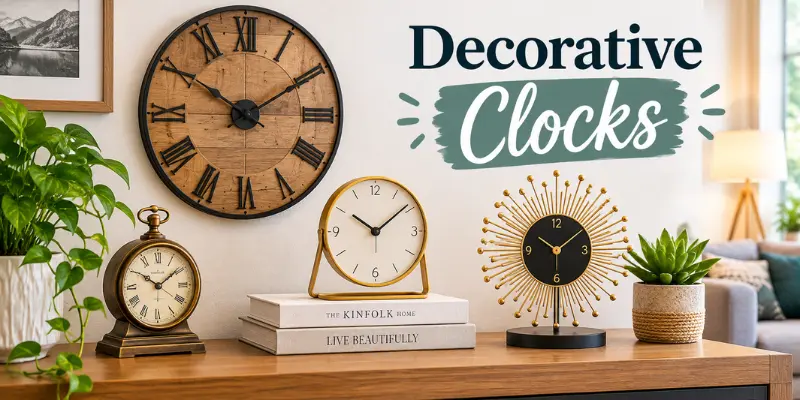
A wall or table clock can combine function and decoration. Large clocks can occupy an empty wall, while smaller designs can work on shelves, desks, or consoles.
Choose a clock that complements the room instead of treating it as an isolated object.
13. Photo Frames
Photo frames allow you to bring personal memories into your interior. Family photographs, travel pictures, artwork, children’s drawings, and other meaningful images can all become part of your decor.
For a gallery wall, consider frame color, spacing, size, and overall composition before hanging anything.
14. Sculptures and Showpieces
Sculptures, figurines, and decorative showpieces can add personality and create conversation points.
They work well on consoles, shelves, sideboards, coffee tables, and display cabinets. One strong piece can often make more impact than several small objects competing for attention.
15. Decorative Bowls
Decorative bowls can add shape and texture to coffee tables, dining tables, consoles, and shelves.
They can remain empty as display pieces or hold suitable small objects. Select a bowl according to the size of the surface so it does not overwhelm the arrangement.
16. Decorative Trays
A tray helps organize several small objects into one visual group. For example, a coffee-table tray can hold a candle, small vase, book, and decorative object.
Trays are particularly useful when you want a surface to look organized rather than scattered.
17. Decorative Baskets
Baskets combine decoration and storage. They can hold blankets, magazines, toys, cushions, or other everyday items.
Woven baskets can introduce natural texture, while structured designs may work better in modern interiors.
Place larger baskets beside sofas, beds, cabinets, or entryway furniture where they remain accessible.
18. Books
Books can add color, height, and personality to shelves and coffee tables. They can also become part of a decorative composition when combined with plants, vases, or small sculptures.
Choose books that you actually enjoy or find useful rather than purchasing them solely as decorative objects.
19. Wall Shelves
Wall shelves provide display space without using much floor area. They can hold books, plants, frames, small sculptures, and other accessories.
Avoid filling every inch of a shelf. Empty space helps individual pieces remain visible and prevents the arrangement from looking cluttered.
20. Artificial Flowers
Artificial flowers provide color without the maintenance associated with fresh flowers. Good-quality designs can work in living rooms, dining areas, bedrooms, and entryways.
Choose arrangements that suit the size of the vase and the surrounding decor. Oversized arrangements can overwhelm a small surface.
21. Decorative Wall Plates
Decorative plates can turn an empty wall into an interesting display. They can be arranged symmetrically or in an organic pattern.
Before hanging them, place the proposed arrangement on the floor to test spacing and proportions.
22. Decorative Storage Boxes
Storage boxes can hide everyday clutter while contributing to the appearance of shelves, desks, wardrobes, and cabinets.
Select boxes that complement nearby colors and materials so they appear intentional rather than purely functional.
23. Accent Furniture
Small accent furniture pieces such as stools, ottomans, side tables, and occasional chairs can work as both functional furniture and decorative elements.
Always consider movement and scale. A stylish accent table is not useful if it makes a walkway difficult to navigate.
24. Decorative Lighting
Lighting has a major influence on how decor looks after sunset. Floor lamps, wall lights, table lamps, pendants, and accent lights can all contribute to the atmosphere.
Layering different sources of light generally gives you more flexibility than depending entirely on one central fixture.
25. Curtains and Drapes
Curtains are functional, but they also have a major visual effect. Their color, texture, pattern, and length can influence the appearance of an entire room.
Choose them according to privacy, sunlight, maintenance, and the existing color palette.
26. Decorative Wall Panels
Wall panels can introduce texture and architectural interest. They can be particularly useful on feature walls where you want a stronger visual focal point.
Use them selectively instead of automatically covering every wall.
27. Ceramic Decor
Ceramic decor includes vases, bowls, sculptures, planters, plates, and other decorative objects.
Ceramic pieces can introduce texture and handcrafted character. Their appearance can work with modern, traditional, rustic, or eclectic interiors depending on shape and finish.
28. Entryway Decor
The entryway creates the first impression of a home. A mirror, narrow console, small lamp, vase, artwork, tray, or basket can make the area more welcoming.
Keep the arrangement practical because entryways experience frequent movement.
29. Bedroom Decor
Bedrooms usually benefit from softer and less visually demanding accessories. Cushions, throws, bedside lamps, artwork, small plants, mirrors, and carefully selected decorative objects can create a comfortable atmosphere.
Avoid filling every surface. A bedroom often feels more relaxing when accessories are limited and intentional.
30. Living Room Decor
The living room is usually the most flexible area for decorative accessories. Rugs, cushions, throws, lamps, mirrors, artwork, plants, vases, coffee-table books, and sculptures can all contribute to the overall design.
Begin with larger visual elements and then add smaller accessories. This helps prevent the room from becoming overcrowded.
31. Dining Room Decor
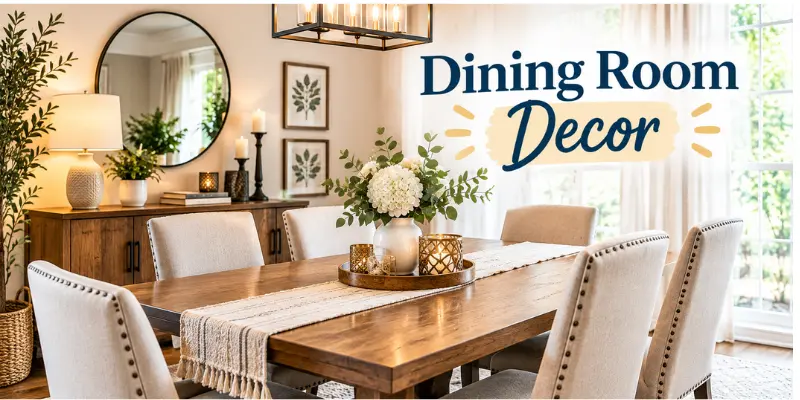
Dining rooms can benefit from table runners, centerpieces, vases, candles, artwork, mirrors, and decorative lighting.
Keep centerpieces low enough to allow comfortable conversation across the table.
Choose materials that can be cleaned easily because dining areas are more exposed to food and spills.
32. Home Office Decor
A home office should remain functional, but a few accessories can make it more comfortable and personal.
A desk lamp, small plant, framed artwork, clock, attractive organizer, or a carefully selected decorative object can add character without consuming valuable workspace.
33. Decorative Mirrors for Small Spaces
Mirrors deserve special attention in compact homes. A strategically placed mirror can reflect light and create the impression of greater depth.
Full-length mirrors can work in bedrooms and dressing areas, while wall mirrors can suit entryways, living rooms, and narrow corridors.
34. Natural-Fiber Accessories
Woven baskets, rattan-style accessories, jute pieces, wood accents, and other natural-looking materials can add warmth and texture.
They can be especially effective in neutral interiors where additional texture is needed without introducing strong colors.
35. Decorative Accent Pieces
Small accent pieces can include figurines, ornaments, miniature sculptures, bowls, trays, bookends, and other objects.
Use these items carefully. The purpose is to complete an arrangement, not to fill every empty surface.
36. Seasonal Decor
Seasonal accessories allow you to refresh a room without changing permanent furniture.
You can update small elements such as cushions, table decorations, flowers, wreaths, candles, or artwork while keeping the main interior unchanged.
How to Choose the Right Home Decor Items
Start with the room rather than the product. Look at the furniture, wall color, flooring, lighting, windows, and architectural features already present.
Then identify what the room actually needs. Does it need more color, texture, lighting, storage, height, softness, or a focal point?
Scale is equally important. Large rooms can generally support larger accessories, while compact spaces usually look better with fewer and appropriately sized pieces.
Material also influences the atmosphere. Wood can add warmth, glass can feel light and reflective, metal can add structure, ceramics can provide texture, and woven materials can introduce a natural feel.
Finally, think about maintenance. A fragile object may not be appropriate for a busy family room, while delicate textiles may require more care than expected.
How to Style Home Decor Items Without Creating Clutter
One of the most common decorating mistakes is assuming that more accessories automatically create a better room.
Instead, create intentional groups. A tray containing a candle, vase, and small decorative object can look more organized than three unrelated pieces scattered across a table.
Use different heights to create visual movement. A tall vase can sit beside a medium-sized frame and a low bowl.
Repeat colors and materials throughout the room. If a particular metal finish appears in a lamp, it can be repeated subtly in a frame or tray.
Most importantly, leave some empty space. Negative space allows individual objects to stand out and helps the entire room feel calmer.
How to Match Home Decor Items With Interior Styles
Minimalist interiors generally work well with simple shapes, restrained colors, and fewer accessories. Give each piece enough space to be appreciated.
Modern interiors can incorporate geometric artwork, sculptural accessories, clean-lined lamps, glass, and metal.
Traditional interiors may work well with framed artwork, classic lamps, decorative mirrors, ceramics, wood, and textiles.
Bohemian-inspired interiors can use layered textiles, plants, woven baskets, colorful artwork, and varied textures.
Rustic interiors can incorporate wood, natural fibers, ceramics, earthy colors, and vintage-inspired accessories.
You do not have to follow one style perfectly. The most successful interiors often combine influences while maintaining a consistent overall feeling.
How to Decorate Your Home on a Budget
You do not need to purchase dozens of expensive products to improve your home.
Start with high-impact areas. Changing cushion covers, adding artwork, introducing plants, updating lighting, or adding one strong decorative piece can make a noticeable difference.
Before shopping, look around your existing home. An object that feels unnecessary in one room may work perfectly somewhere else.
You can also update accessories seasonally instead of replacing everything. A few small changes can make an established interior feel fresh again.
Current home decor collections show how broad the category has become, with options ranging from mirrors, wall decor, plants, planters, candles, vases, bowls, clocks, and decorative accessories to storage baskets.
Where Can You Buy Home Decor Items?
Online marketplaces and specialist home decor stores offer a wide range of decorative products. Before buying, compare dimensions, materials, care requirements, reviews, delivery information, and return policies.
For example, Amazon’s decorative home accents provide a broad marketplace for accessories, while Amazon India Home Décor provides an India-focused category.
You can also explore The Decor Kart for decorative accessories and Vaaree for a broad selection of home products.
IKEA India’s Home Decor collection currently includes categories such as mirrors, wall decor, plants and flowers, planters, candles and candle holders, vases and bowls, decorative accessories, clocks, and storage solutions.
Product prices, stock, dimensions, materials, promotions, delivery conditions, and availability can change. Always verify current product information before purchasing.
Common Mistakes to Avoid When Buying Home Decor Items
Buying without measuring is one of the easiest mistakes to make. Always compare product dimensions with the available space.
Another mistake is purchasing too many matching pieces. Coordinated accessories usually look more natural than a room where every object comes from the same collection.
Ignoring function can also create problems. A decorative table still needs enough usable space, and hallway accessories should never obstruct movement.
Poor placement is another common issue. Artwork hung too high, a tiny rug beneath a large seating arrangement, or oversized accessories on a small table can make the room feel unbalanced.
Finally, avoid following every decorating trend. Trends can provide inspiration, but your home should remain comfortable, practical, and suited to your lifestyle.
How Often Should You Update Home Decor?
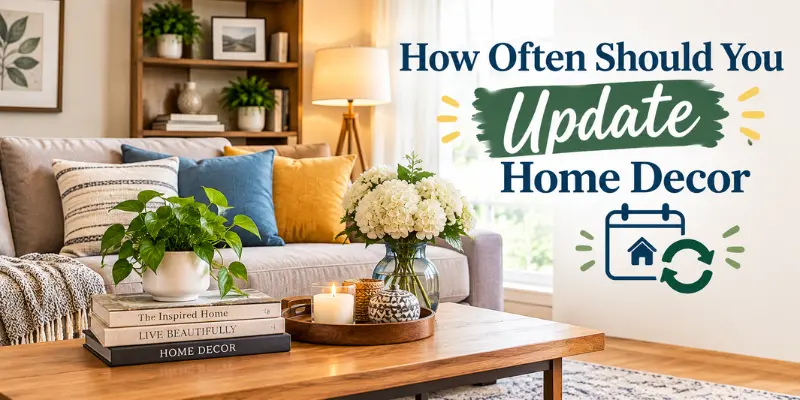
There is no fixed schedule for updating your decor. Some homeowners enjoy seasonal changes, while others prefer the same interior for several years.
Instead of replacing everything regularly, look for signs that a room needs refreshing. You may only need to rearrange accessories, replace textiles, introduce new artwork, or remove items that no longer serve a purpose.
If you want to explore current decorating styles, read what home decor is trending for additional inspiration.
The goal of following trends should be to discover useful ideas rather than replacing perfectly good items simply because a new style has appeared.
Frequently Asked Questions About Home Decor Items
What are the most popular home decor items?
Popular choices include wall art, mirrors, vases, plants, planters, candles, lamps, cushions, throws, rugs, photo frames, decorative bowls, trays, clocks, sculptures, figurines, and baskets.
Which home decor items make the biggest difference?
The impact depends on the room. Artwork, mirrors, rugs, lighting, curtains, and larger accent pieces can have a strong visual effect because they occupy significant visual space.
How can I decorate my home without spending too much?
Start with smaller changes such as cushion covers, artwork, plants, vases, throws, lamps, and rearranging existing accessories. Focus on a few high-impact areas rather than buying many unrelated products.
How do I choose decor items for a small room?
Choose appropriately scaled pieces and avoid overcrowding. Mirrors, wall-mounted decor, slim furniture, small plants, and multifunctional accessories can work particularly well.
Should all home decor items match?
No. They should coordinate rather than match perfectly. Repeating a few colors, materials, or shapes can create cohesion while allowing individual pieces to retain their character.
Are plants good home decor items?
Yes. Plants can add natural color, texture, and visual interest. Choose varieties that suit the available light and the amount of maintenance you can provide.
What should I check before buying decor online?
Check the product dimensions, materials, reviews, care instructions, return policy, delivery information, and current price. Product photographs can sometimes make an item appear larger or smaller than it actually is.
Final Thoughts
The best home decor items are not necessarily the most expensive or fashionable products. They are the pieces that suit the room, support its function, reflect your personality, and create a balanced visual environment.
Start by identifying what your space needs, then select accessories according to scale, color, texture, material, and placement. A combination of wall art, mirrors, plants, vases, lighting, textiles, rugs, and carefully selected decorative accents can transform an ordinary room without requiring a major renovation.
Most importantly, decorate with intention. A few well-chosen pieces can create more impact than a room filled with accessories. Give every item enough space to be appreciated, repeat colors and materials naturally, and allow your home to evolve as your needs and preferences change.




- Be Respectful
- Stay Relevant
- Stay Positive
- True Feedback
- Encourage Discussion
- Avoid Spamming
- No Fake News
- Don't Copy-Paste
- No Personal Attacks
- Be Respectful
- Stay Relevant
- Stay Positive
- True Feedback
- Encourage Discussion
- Avoid Spamming
- No Fake News
- Don't Copy-Paste
- No Personal Attacks
