Causes and Effects of Pollution: A Complete Guide to Environmental Damage and Sustainable Solutions
Published: 21 Jun 2026
Introduction
Pollution is one of the most serious environmental challenges facing humanity. It affects air, water, soil, ecosystems, wildlife, and human health. Rapid industrialization, urban growth, population increase, and unsustainable consumption patterns have significantly increased pollution levels across the world. Every year, millions of people experience health complications caused by polluted environments, while ecosystems continue to suffer from contamination and degradation. The article What Types of Outdoor Activities Can Be Impacted by Pollution provides much more information regarding pollution.
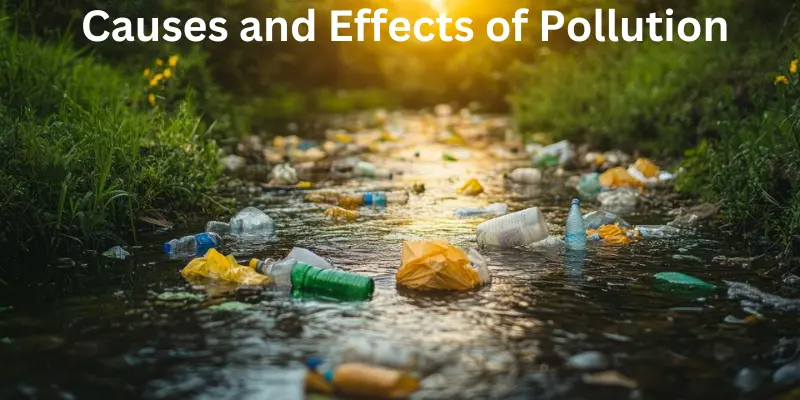
Understanding the causes and effects of pollution is essential for creating effective solutions. Pollution is not limited to a single source or location. It exists in cities, rural areas, oceans, rivers, forests, and even remote regions. Human activities remain the primary contributor to environmental pollution, though some natural events also play a role.
Environmental experts, researchers, governments, and organizations continuously study pollution to identify its sources, assess its impacts, and develop strategies for mitigation. The future health of our planet depends on informed decisions and sustainable practices.
What Is Pollution?
Pollution refers to the introduction of harmful substances or contaminants into the environment. These contaminants negatively affect living organisms, natural resources, and ecological balance. Pollutants may be solid, liquid, gaseous, or even forms of energy such as heat, noise, and radiation.
The environment naturally has mechanisms to break down certain substances. When pollutants exceed nature’s ability to manage them, environmental damage occurs. Pollution can be visible, such as smoke from factories, or invisible, such as toxic chemicals in water supplies.
The severity of pollution depends on factors such as pollutant concentration, duration of exposure, environmental conditions, and the vulnerability of affected ecosystems.
Types of Pollution
Pollution exists in several forms, each affecting different parts of the environment.
Air Pollution
Air pollution occurs when harmful gases, particulate matter, and toxic substances enter the atmosphere. Common pollutants include carbon monoxide, sulfur dioxide, nitrogen oxides, ozone, and fine particles.
Water Pollution
Water pollution happens when contaminants enter rivers, lakes, oceans, groundwater, and other water bodies. Industrial waste, agricultural runoff, sewage, and plastic debris are major contributors.
Soil Pollution
Soil pollution results from the accumulation of harmful chemicals, pesticides, industrial waste, and hazardous materials in the ground. This contamination affects agricultural productivity and ecosystem health.
Noise Pollution
Noise pollution involves excessive or unwanted sounds that disrupt human activities and wildlife behavior. Traffic, construction, industrial operations, and loud entertainment systems are common sources.
Light Pollution
Light pollution occurs when artificial lighting interferes with natural darkness. It affects wildlife migration, human sleep patterns, and astronomical observations.
Thermal Pollution
Thermal pollution is caused by the release of heated water or air into natural environments, usually from industrial facilities and power plants.
Radioactive Pollution
Radioactive pollution involves the release of radioactive substances into the environment due to nuclear accidents, improper waste disposal, or industrial activities.
Major Causes of Pollution
Understanding the root causes of pollution helps identify practical solutions.
Industrial Activities and Manufacturing
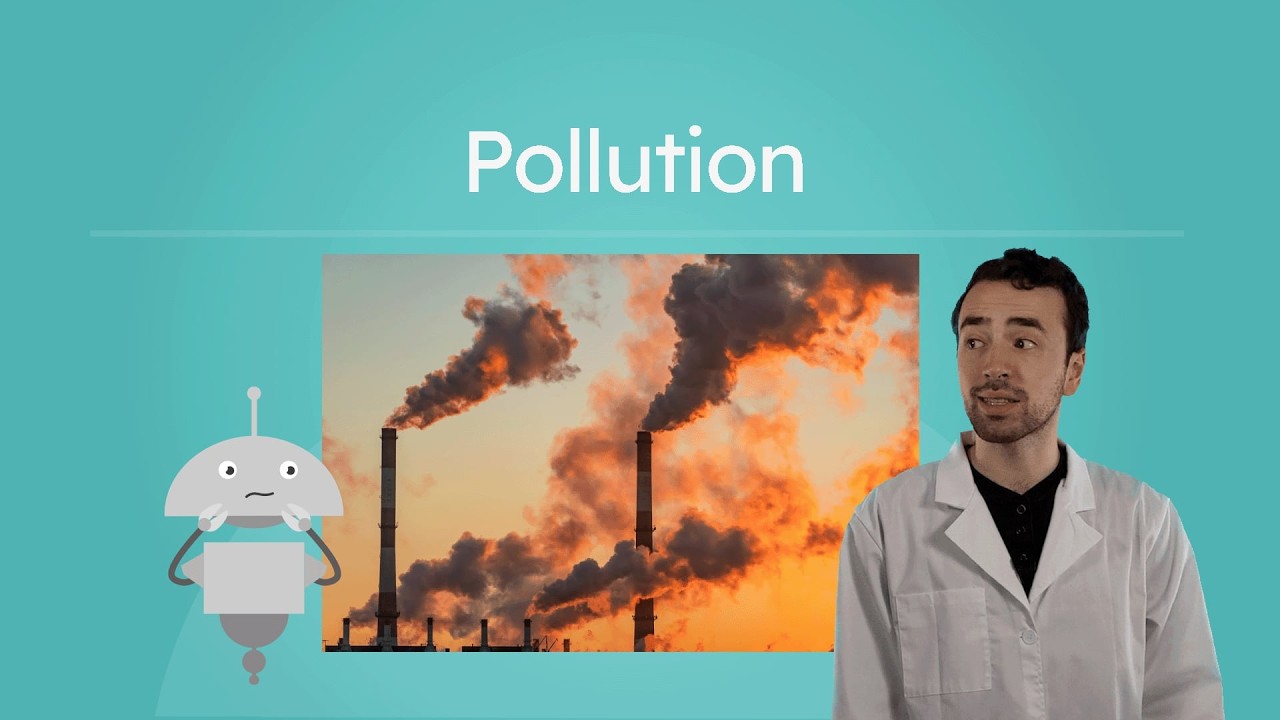
Industrial production is among the leading causes of environmental pollution. Factories release harmful gases, chemicals, and waste products into the environment. Manufacturing processes often involve the burning of fossil fuels, which contributes significantly to air pollution.
Industrial wastewater may contain toxic metals, chemicals, and pollutants that contaminate nearby water sources. Improper waste management further increases environmental risks.
Heavy industries such as steel production, chemical manufacturing, cement production, and mining generate substantial pollution if environmental regulations are not strictly enforced.
Burning of Fossil Fuels
Coal, oil, and natural gas remain major sources of energy worldwide. Their combustion releases carbon dioxide, sulfur dioxide, nitrogen oxides, and particulate matter into the atmosphere.
Vehicle emissions, electricity generation, and industrial processes contribute heavily to air pollution through fossil fuel consumption. The continuous reliance on fossil fuels also accelerates climate change and global warming.
Urban areas often experience higher pollution levels due to dense transportation networks and energy demands.
Vehicle Emissions
Transportation systems contribute significantly to environmental pollution. Cars, buses, trucks, motorcycles, ships, and aircraft emit pollutants that degrade air quality.
Traffic congestion increases fuel consumption and emissions. Older vehicles with poor emission control systems often produce higher levels of pollutants compared to modern vehicles equipped with cleaner technologies.
Urban centers frequently experience smog formation due to concentrated vehicle emissions.
Agricultural Practices
Modern agriculture contributes to pollution through the extensive use of fertilizers, pesticides, herbicides, and livestock waste.
Chemical fertilizers may wash into rivers and lakes during rainfall, causing nutrient pollution and harmful algal blooms. Pesticides contaminate soil and water resources while affecting beneficial organisms.
Livestock farming generates methane emissions, a powerful greenhouse gas that contributes to climate change.
Deforestation and Land Clearing
Forests act as natural filters by absorbing pollutants and carbon dioxide. Large-scale deforestation reduces the environment’s ability to maintain ecological balance.
Land clearing for agriculture, urban development, and infrastructure projects increases soil erosion, dust generation, and habitat destruction. These activities contribute directly and indirectly to various forms of pollution.
Loss of vegetation also reduces air purification and water retention capabilities.
Improper Waste Disposal
Poor waste management practices contribute substantially to pollution worldwide. Open dumping, uncontrolled landfills, and littering introduce harmful substances into the environment.
Plastic waste is particularly problematic because it persists for decades or centuries. Improper disposal contaminates water bodies, harms wildlife, and contributes to soil degradation.
Electronic waste contains hazardous materials such as lead, mercury, and cadmium, posing serious environmental risks when improperly handled.
Urbanization and Population Growth
Rapid urban expansion places significant pressure on environmental resources. Growing populations generate larger amounts of waste, consume more energy, and increase transportation demands.
Cities often experience elevated pollution levels due to industrial concentration, vehicle traffic, construction activities, and high energy consumption.
Insufficient infrastructure can worsen waste management and environmental protection challenges.
Mining Operations
Mining activities disturb natural landscapes and release pollutants into the environment. Extraction processes often generate dust, toxic waste, and contaminated water.
Acid mine drainage can pollute nearby rivers and groundwater supplies. Heavy metals released during mining may accumulate in ecosystems and pose long-term environmental threats.
Mining also contributes to habitat destruction and biodiversity loss.
Household Sources of Pollution
Households contribute to pollution through energy consumption, chemical use, waste generation, and improper disposal practices.
Cleaning products, paints, solvents, and household chemicals may contaminate water and soil if not disposed of correctly. Indoor air pollution can result from cooking fuels, tobacco smoke, and poor ventilation.
The cumulative impact of millions of households significantly influences environmental quality.
Plastic Pollution
Plastic pollution has emerged as a global environmental crisis. Single-use plastics are commonly discarded after brief use but remain in the environment for extended periods.
Plastic waste accumulates in oceans, rivers, beaches, and landfills. Marine animals frequently ingest plastic debris, resulting in injury, starvation, or death.
Microplastics have been detected in water supplies, food chains, and even human tissues, raising concerns about long-term health effects.
Natural Causes of Pollution
Although human activities dominate pollution sources, certain natural events also contribute.
Volcanic eruptions release ash, gases, and particulate matter into the atmosphere. Wildfires generate smoke and carbon emissions that affect air quality over large areas.
Dust storms transport fine particles across regions, while natural decomposition processes release gases into the environment. Despite these contributions, natural systems typically maintain balance unless disrupted by extensive human influence.
The Science Behind Environmental Pollution
Pollution involves complex interactions among physical, chemical, and biological processes. Pollutants move through air currents, water systems, soil layers, and food chains.
Some contaminants break down quickly, while others persist for decades. Persistent pollutants accumulate in ecosystems and living organisms through a process known as bioaccumulation.
Scientists use monitoring systems, environmental testing, satellite observations, and laboratory analyses to track pollution levels and assess environmental risks.
How Pollution Affects Ecosystems
Ecosystems rely on delicate balances among plants, animals, microorganisms, water, and climate conditions. Pollution disrupts these relationships.
Contaminated water can reduce oxygen levels, killing aquatic organisms. Air pollution damages vegetation and alters nutrient cycles. Soil contamination affects plant growth and microbial activity.
Ecosystem disruption often triggers chain reactions that affect biodiversity, food production, and environmental stability.
Biodiversity Loss Due to Pollution
Pollution threatens countless species worldwide. Toxic substances can directly kill organisms or weaken their ability to survive and reproduce.
Habitat degradation caused by pollution reduces available resources for wildlife. Sensitive species often disappear first, leading to reduced biodiversity and ecosystem resilience.
Loss of biodiversity weakens ecological systems that provide essential services such as pollination, water purification, and climate regulation.
Long-Term Environmental Consequences
The long-term consequences of pollution extend beyond immediate environmental damage. Persistent contamination can alter ecosystems for generations.
Climate change, habitat destruction, declining biodiversity, soil degradation, and water scarcity are closely linked to pollution. Environmental recovery may require decades or centuries depending on the severity of contamination.
Future generations may face increasing challenges if pollution levels continue to rise without effective intervention.
Effects of Pollution on Human Health
The effects of pollution on human health are among the most concerning consequences of environmental contamination. Exposure to polluted air, water, and soil increases the risk of numerous diseases and health conditions.
Air pollution is linked to respiratory illnesses such as asthma, bronchitis, chronic obstructive pulmonary disease, and lung cancer. Fine particulate matter can penetrate deep into the lungs and enter the bloodstream, affecting cardiovascular health.
Water pollution contributes to waterborne diseases, digestive disorders, and infections. Contaminated drinking water can contain bacteria, viruses, parasites, and toxic chemicals that threaten public health.
Soil pollution may introduce harmful substances into food crops. Long-term exposure to contaminated food can increase the risk of chronic illnesses and developmental disorders.
Noise pollution contributes to stress, anxiety, sleep disturbances, hearing loss, and reduced productivity. Light pollution may disrupt sleep cycles and negatively affect mental well-being.
Effects of Air Pollution
Air pollution impacts both environmental and human systems. Polluted air reduces visibility, damages buildings, and contributes to climate-related problems.
Individuals exposed to poor air quality may experience coughing, breathing difficulties, throat irritation, and reduced lung function. Vulnerable groups such as children, older adults, and individuals with pre-existing medical conditions face greater risks.
Air pollution also affects agricultural productivity by damaging crops and reducing plant growth. Acid rain resulting from atmospheric pollutants can harm forests, lakes, and infrastructure.
Effects of Water Pollution
Water pollution threatens aquatic ecosystems and human communities. Contaminated water bodies often experience declining oxygen levels, making survival difficult for fish and other aquatic organisms.
Pollutants can accumulate in aquatic food chains, affecting species at multiple levels. Toxic substances may eventually reach humans through seafood consumption.
Water contamination also increases treatment costs and reduces access to safe drinking water. Communities that depend on polluted water sources often face serious health and economic challenges.
Effects of Soil Pollution
Healthy soil supports agriculture, biodiversity, and ecosystem functions. Soil pollution reduces fertility, decreases crop yields, and disrupts microbial communities.
Contaminated soil may contain heavy metals, industrial chemicals, pesticides, and hazardous waste. These pollutants can enter food chains and affect both wildlife and humans.
Land degradation caused by soil pollution can reduce agricultural productivity and threaten food security.
Effects of Pollution on Wildlife
Wildlife species face significant threats from environmental pollution. Animals may ingest toxic substances directly or absorb pollutants through contaminated habitats.
Plastic pollution causes injury, suffocation, and starvation among marine species. Oil spills damage aquatic ecosystems and harm birds, fish, and marine mammals.
Chemical pollutants can interfere with reproduction, growth, migration patterns, and immune system function. Pollution-related habitat degradation reduces available shelter and food resources.
Effects of Pollution on Climate Change
Pollution and climate change are closely connected. Greenhouse gases released through human activities trap heat within the Earth’s atmosphere, contributing to global warming.
Carbon dioxide, methane, and nitrous oxide are among the primary greenhouse gases responsible for rising global temperatures. These emissions originate from transportation, industry, agriculture, and energy production.
Climate change increases the frequency of extreme weather events, sea-level rise, droughts, floods, and ecosystem disruptions. Pollution reduction plays an important role in climate mitigation efforts.
Economic Effects of Pollution
Pollution creates substantial economic costs for governments, businesses, and individuals. Healthcare expenses associated with pollution-related illnesses place significant burdens on public health systems.
Environmental cleanup projects require considerable financial resources. Contaminated sites often need long-term remediation efforts to restore ecological health.
Agriculture, fisheries, tourism, and other industries may suffer financial losses due to pollution-related environmental damage. Reduced worker productivity caused by health issues also affects economic growth.
Social Effects of Pollution
Pollution influences quality of life and community well-being. Residents living in heavily polluted areas often experience reduced life satisfaction and increased health concerns.
Environmental inequality can occur when vulnerable populations face greater exposure to pollution. Limited access to clean air, safe water, and healthy living conditions may contribute to social disparities.
Community development and public trust can also be affected when environmental pollution remains unresolved.
How Pollution Affects Future Generations
The long-term consequences of pollution extend beyond current populations. Environmental degradation may reduce the availability of natural resources for future generations.
Children exposed to pollution may experience developmental challenges and long-term health effects. Climate change linked to pollution could reshape environmental conditions for decades or centuries.
Sustainable environmental management helps preserve ecological systems and resources for future communities.
Pollution Prevention Strategies
Preventing pollution is often more effective and less expensive than addressing environmental damage after it occurs. Successful prevention strategies involve governments, industries, organizations, and individuals.
Reducing waste generation, improving resource efficiency, adopting cleaner technologies, and promoting environmental awareness can significantly decrease pollution levels.
Education and public participation remain essential components of pollution prevention efforts.
Reducing Air Pollution
Several measures can help improve air quality and reduce atmospheric pollution.
Using renewable energy sources such as solar and wind power decreases dependence on fossil fuels. Public transportation, electric vehicles, and energy-efficient technologies help reduce emissions.
Industries can install pollution control equipment and adopt cleaner production methods. Urban planning strategies may also improve air quality through green spaces and sustainable transportation systems.
Reducing Water Pollution
Protecting water resources requires responsible waste management and pollution control measures.
Industries should treat wastewater before releasing it into natural water bodies. Agricultural operations can reduce chemical runoff through sustainable farming practices.
Communities can support water conservation efforts and proper disposal of household chemicals. Maintaining healthy watersheds also contributes to water quality protection.
Reducing Soil Pollution
Soil conservation practices help maintain land productivity and environmental health.
Reducing excessive pesticide and fertilizer use minimizes contamination risks. Recycling hazardous materials and improving waste disposal systems protect soil quality.
Reforestation, sustainable agriculture, and erosion control measures further support healthy ecosystems.
Role of Renewable Energy in Pollution Reduction
Renewable energy technologies play a significant role in reducing environmental pollution. Solar, wind, hydroelectric, and geothermal energy systems generate electricity with lower emissions compared to fossil fuels.
Transitioning to renewable energy helps improve air quality, reduce greenhouse gas emissions, and support long-term sustainability goals.
Many countries continue investing in clean energy infrastructure to address environmental challenges.
Government Regulations and Environmental Policies
Governments implement environmental regulations to control pollution and protect public health. These policies establish standards for emissions, waste disposal, water quality, and environmental monitoring.
Environmental agencies conduct inspections, enforce compliance, and promote sustainable practices. International agreements also encourage cooperation in addressing global pollution issues.
Strong regulatory frameworks contribute to improved environmental outcomes and public safety.
Role of Businesses in Pollution Control
Businesses have significant influence over environmental quality. Sustainable business practices can reduce pollution while improving operational efficiency.
Companies increasingly invest in renewable energy, waste reduction programs, recycling initiatives, and environmentally responsible supply chains.
Corporate environmental responsibility helps build public trust and supports long-term economic success.
Role of Individuals in Reducing Pollution
Individual actions collectively contribute to meaningful environmental improvements.
People can reduce pollution by conserving energy, minimizing waste, recycling materials, using public transportation, and supporting sustainable products.
Responsible consumption habits help decrease demand for resource-intensive production processes. Environmental awareness encourages positive behavioral changes within communities.
Importance of Environmental Education
Environmental education empowers individuals to make informed decisions regarding pollution and sustainability.
Educational programs help people understand environmental challenges, conservation practices, and pollution prevention strategies. Schools, universities, organizations, and community groups play important roles in promoting environmental literacy.
Increased awareness often leads to stronger public support for environmental protection initiatives.
Innovative Technologies for Pollution Control
Technological innovation continues to improve pollution management and environmental protection.
Advanced filtration systems, air quality monitoring devices, wastewater treatment technologies, and renewable energy solutions help reduce environmental impacts.
Artificial intelligence, satellite monitoring, and data analytics support more effective environmental assessment and policy development.
Emerging technologies offer new opportunities for addressing complex pollution challenges.
Building a Sustainable Future
Creating a sustainable future requires balancing economic development, environmental protection, and social well-being.
Governments, businesses, researchers, and communities must work together to reduce pollution and protect natural resources. Sustainable development strategies encourage responsible resource use while supporting human progress.
Environmental stewardship remains essential for preserving ecological systems and improving quality of life.
Conclusion
The causes and effects of pollution influence every aspect of life on Earth. Industrial activities, fossil fuel consumption, transportation, agriculture, deforestation, waste generation, and urbanization contribute significantly to environmental contamination. Pollution affects human health, ecosystems, biodiversity, economies, and future generations.
Addressing pollution requires comprehensive solutions that include sustainable technologies, environmental regulations, public awareness, responsible consumption, and global cooperation. Every individual, organization, and government has a role in protecting the environment.
Reducing pollution today helps create healthier communities, stronger ecosystems, and a more sustainable future for generations to come.
Frequently Asked Questions (FAQs)
What are the main causes of pollution?
The main causes include industrial activities, vehicle emissions, fossil fuel combustion, agricultural chemicals, deforestation, and improper waste disposal.
What are the major effects of pollution?
Pollution causes health problems, environmental degradation, biodiversity loss, climate change, and economic costs.
Why is air pollution dangerous?
Air pollution can lead to respiratory diseases, cardiovascular problems, reduced lung function, and premature deaths.
How does water pollution affect humans?
Water pollution can spread diseases, contaminate drinking water, and expose people to harmful chemicals.
What is soil pollution?
Soil pollution occurs when harmful substances contaminate the ground, reducing fertility and affecting ecosystems.
How does pollution contribute to climate change?
Pollution releases greenhouse gases that trap heat in the atmosphere and increase global temperatures.
What are effective ways to reduce pollution?
Using renewable energy, recycling, reducing waste, conserving resources, and supporting sustainable practices help reduce pollution.
How does plastic pollution affect wildlife?
Wildlife may ingest plastic waste or become entangled in it, leading to injury, illness, or death.
Why is environmental education important?
Environmental education increases awareness and encourages responsible actions that protect natural resources.
Can pollution be completely eliminated?
Complete elimination may not be realistic, but significant reductions are possible through technology, regulations, and sustainable behavior.






- Be Respectful
- Stay Relevant
- Stay Positive
- True Feedback
- Encourage Discussion
- Avoid Spamming
- No Fake News
- Don't Copy-Paste
- No Personal Attacks
- Be Respectful
- Stay Relevant
- Stay Positive
- True Feedback
- Encourage Discussion
- Avoid Spamming
- No Fake News
- Don't Copy-Paste
- No Personal Attacks
