What Types of Outdoor Activities Can Be Impacted by Pollution: A Complete Guide for Healthier Outdoor Living
Published: 07 Jun 2026
Outdoor activities offer numerous physical, mental, and social benefits. Whether you enjoy hiking through scenic trails, cycling around your neighborhood, swimming in lakes, gardening at home, or participating in organized sports, spending time outdoors promotes a healthier lifestyle. However, pollution has become an increasingly significant challenge that affects the quality and safety of outdoor experiences. For further knowledge explore the article Types, Sources and Effects of Pollution.
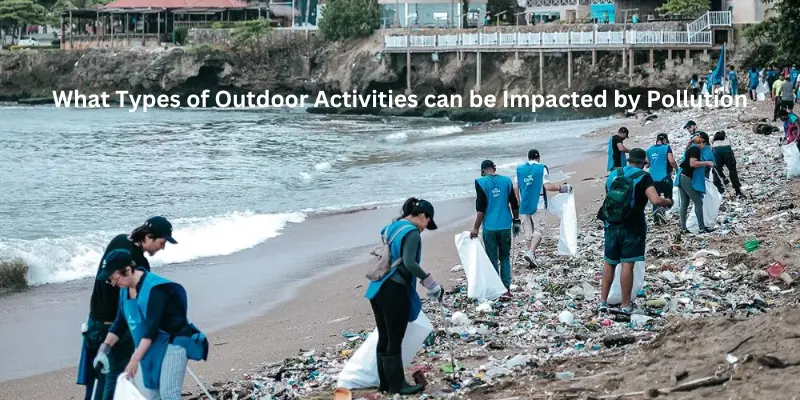
Many people underestimate how pollution influences outdoor recreation. Air pollution can reduce visibility and cause respiratory issues, contaminated water can create health risks, and noise pollution can diminish the enjoyment of natural environments. Understanding what types of outdoor activities can be impacted by pollution helps individuals make informed decisions about where and when to spend time outside.
This guide explores the various forms of pollution and their effects on popular outdoor activities while providing practical strategies to minimize risks and maintain a healthy outdoor lifestyle.
Understanding Pollution and Its Impact on Outdoor Activities
Pollution refers to harmful substances or environmental disturbances that negatively affect ecosystems, wildlife, and human health. The most common forms of pollution affecting outdoor recreation include:
- Air pollution
- Water pollution
- Noise pollution
- Soil pollution
- Light pollution
- Plastic and litter pollution
Each type of pollution creates unique challenges for outdoor enthusiasts. The impact can range from minor discomfort to serious health concerns, depending on the pollution level and duration of exposure.
How Air Pollution Affects Outdoor Recreation
Air pollution is one of the most widespread environmental concerns affecting outdoor activities worldwide. Pollutants such as particulate matter, ozone, carbon monoxide, sulfur dioxide, and nitrogen dioxide can significantly impact health and comfort.
Common Sources of Air Pollution
- Vehicle emissions
- Industrial facilities
- Wildfires
- Construction activities
- Power plants
- Agricultural operations
When air quality declines, outdoor activities become more challenging and potentially hazardous.
Outdoor activities impacted by air pollution include:
- Walking
- Running
- Hiking
- Cycling
- Outdoor fitness training
- Team sports
- Camping
Individuals with asthma, allergies, cardiovascular conditions, and respiratory illnesses may experience symptoms more quickly during polluted conditions.
Hiking and Trail Exploration in Polluted Environments
Hiking is among the most popular outdoor activities affected by pollution. Trails located near urban centers, industrial zones, or wildfire-prone regions often experience elevated pollution levels.
Effects of Pollution on Hiking
- Reduced visibility of scenic landscapes
- Increased breathing difficulties
- Eye irritation
- Fatigue during strenuous climbs
- Exposure to contaminated soil and water
Mountain and forest hikers may also encounter pollution transported by wind from distant cities, making even remote locations vulnerable.
Running and Jogging During Poor Air Quality Conditions
Running requires increased oxygen intake, causing runners to inhale greater amounts of airborne pollutants. As breathing rates rise during exercise, pollutants penetrate deeper into the lungs.
Risks for Runners
- Reduced lung function
- Increased asthma symptoms
- Decreased athletic performance
- Respiratory irritation
- Cardiovascular strain
Monitoring local air quality indexes before heading outdoors can help runners avoid unhealthy conditions.
Cycling and Bike Riding Exposure to Pollution
Cyclists often travel alongside roads with heavy vehicle traffic. This proximity exposes them to concentrated levels of exhaust emissions.
Pollution Challenges for Cyclists
- Inhalation of vehicle emissions
- Exposure to fine particulate matter
- Reduced endurance
- Increased respiratory stress
- Long-term health concerns from repeated exposure
Choosing bike paths away from major roads can reduce pollution exposure significantly.
Outdoor Sports and Pollution Concerns
Many sports involve prolonged outdoor activity and vigorous physical exertion. Pollution can affect both performance and player safety.
Sports Most Commonly Impacted
- Soccer
- Baseball
- Football
- Tennis
- Golf
- Cricket
- Track and field events
Athletes training in polluted conditions may experience reduced stamina and increased recovery times.
Camping and Air Quality Challenges
Camping provides opportunities to connect with nature, but pollution can diminish the experience.
How Pollution Affects Camping
- Hazy views
- Contaminated water sources
- Unpleasant odors
- Wildlife habitat degradation
- Increased health risks
Wildfire smoke has become a growing concern for campers in many regions.
Water Pollution and Outdoor Water Activities
Water pollution directly affects recreational activities involving rivers, lakes, oceans, and streams.
Major Sources of Water Pollution
- Agricultural runoff
- Industrial discharge
- Sewage contamination
- Plastic waste
- Chemical spills
Contaminated water poses risks to both humans and aquatic ecosystems.
Swimming and Water Pollution Risks
Swimming is one of the outdoor activities most vulnerable to water pollution.
Health Risks for Swimmers
- Skin irritation
- Ear infections
- Gastrointestinal illness
- Eye irritation
- Respiratory problems
Public health agencies frequently issue advisories when water quality falls below safe standards.
Fishing and Pollution Effects on Aquatic Ecosystems
Fishing enthusiasts depend on healthy aquatic ecosystems. Pollution disrupts fish populations and can contaminate edible species.
How Pollution Impacts Fishing
- Reduced fish populations
- Habitat destruction
- Bioaccumulation of toxins
- Fishing restrictions
- Poor water clarity
Contaminated fish may pose health risks if consumed regularly.
Boating, Kayaking, and Canoeing in Polluted Waters
Water-based recreation can become less enjoyable and potentially unsafe when waterways are polluted.
Common Problems
- Contact with contaminated water
- Debris hazards
- Reduced scenic appeal
- Damage to watercraft equipment
- Exposure to harmful bacteria
Regular water quality monitoring helps recreational users identify safer locations.
Beaches and Coastal Recreation Affected by Pollution
Beach activities attract millions of visitors annually. Pollution threatens these recreational spaces in several ways.
Beach Activities Impacted
- Swimming
- Surfing
- Beach sports
- Snorkeling
- Sunbathing
Plastic waste and contaminated runoff often reduce beach quality and environmental health.
Gardening and Soil Pollution
Home gardening remains one of the most rewarding outdoor activities. However, soil contamination can affect plant growth and human health.
Sources of Soil Pollution
- Heavy metals
- Industrial waste
- Pesticides
- Chemical fertilizers
- Construction debris
Contaminated soil may transfer pollutants into vegetables, fruits, and flowers.
Children’s Outdoor Play and Pollution Exposure
Children are particularly vulnerable to environmental pollution because their bodies are still developing.
Activities Affected
- Playground visits
- Outdoor games
- School sports
- Neighborhood exploration
Pollution exposure during childhood may contribute to long-term health challenges.
Wildlife Watching and Nature Observation
Birdwatching and wildlife photography depend on healthy ecosystems. Pollution can alter animal behavior and reduce biodiversity.
Environmental Consequences
- Habitat destruction
- Species migration
- Reduced wildlife populations
- Ecosystem imbalance
Nature enthusiasts may notice fewer species in polluted environments.
Noise Pollution and Outdoor Enjoyment
Noise pollution often receives less attention than air or water pollution, yet it significantly affects outdoor experiences.
Sources of Noise Pollution
- Traffic
- Aircraft
- Construction sites
- Industrial facilities
- Recreational vehicles
Excessive noise disrupts relaxation and can negatively affect mental well-being.
Outdoor Activities Most Affected by Noise Pollution
Several outdoor pursuits rely on quiet surroundings.
Examples Include
- Birdwatching
- Meditation
- Nature photography
- Camping
- Hiking
- Fishing
Persistent noise can diminish the restorative benefits of spending time outdoors.
Light Pollution and Nighttime Outdoor Activities
Artificial lighting affects many evening and nighttime recreational activities.
Activities Impacted by Light Pollution
- Stargazing
- Astronomy
- Night hiking
- Wildlife observation
- Camping
Urban areas often experience severe light pollution that obscures celestial views.
Plastic Pollution and Recreational Spaces
Plastic waste has become a global environmental issue affecting outdoor recreation.
Common Impacts
- Littered parks
- Polluted beaches
- Harm to wildlife
- Reduced aesthetic appeal
- Safety hazards
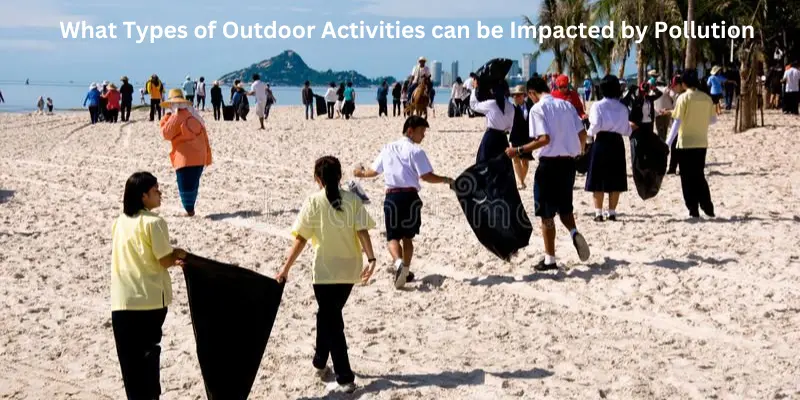
Community cleanup efforts help restore recreational areas and improve outdoor experiences.
Health Effects of Pollution During Outdoor Activities
Individuals participating in outdoor activities may experience both short-term and long-term health consequences.
Short-Term Effects
- Headaches
- Coughing
- Eye irritation
- Fatigue
- Difficulty breathing
Long-Term Effects
- Chronic respiratory disease
- Cardiovascular issues
- Reduced lung capacity
- Increased health care costs
Understanding environmental conditions before outdoor activities helps reduce these risks.
How to Check Pollution Levels Before Outdoor Activities
Modern technology makes it easier than ever to monitor environmental conditions.
Useful Resources
- Air quality monitoring apps
- Weather services
- Government environmental agencies
- Water quality reports
- Local health advisories
Checking these resources before outdoor recreation can improve safety and comfort.
Tips for Enjoying Outdoor Activities Safely Despite Pollution
Pollution cannot always be avoided entirely, but several strategies can reduce exposure.
Practical Recommendations
- Exercise during lower traffic hours
- Choose parks and green spaces
- Monitor air quality indexes
- Stay hydrated
- Avoid contaminated waterways
- Wear protective gear when necessary
- Support local environmental initiatives
Small adjustments can make outdoor experiences safer and more enjoyable.
Why Pollution Awareness Matters for Homeowners
Homeowners have a direct connection to outdoor environmental quality. Activities such as gardening, outdoor entertaining, children’s play, and neighborhood walking all depend on clean surroundings.
Reducing pollution at the household level contributes to healthier communities and better outdoor experiences. Sustainable landscaping, proper waste disposal, reduced vehicle use, and eco-friendly home improvements can all help minimize environmental impact.
How Wildfire Smoke Is Changing Outdoor Recreation Across North America
Wildfire seasons are becoming longer and more intense across North America, creating significant challenges for outdoor enthusiasts. Smoke can travel hundreds of miles, affecting air quality in regions far from active fires. Hiking, camping, cycling, running, and outdoor sports are increasingly being postponed or relocated due to hazardous air conditions. Many recreation areas now provide air quality alerts to help visitors make safer decisions before spending time outdoors.
AI-Powered Air Quality Monitoring Tools for Outdoor Enthusiasts
Artificial intelligence is transforming how people monitor environmental conditions. Modern air quality apps use AI to analyze pollution patterns, weather conditions, traffic emissions, and wildfire activity in real time. Outdoor enthusiasts can access personalized recommendations on the best times and locations for activities such as jogging, biking, and hiking. These tools help reduce exposure to harmful pollutants while improving outdoor safety.
Climate Change and Its Growing Impact on Outdoor Activity Safety
Climate change is influencing outdoor recreation through rising temperatures, increased extreme weather events, prolonged droughts, and worsening pollution levels. Heatwaves and poor air quality can increase health risks during physical activities. Outdoor recreation planners, homeowners, and sports organizations are adapting by scheduling events during safer hours and implementing additional environmental safety measures.
Smart Wearables That Track Pollution Exposure During Exercise
Wearable technology has evolved beyond fitness tracking. New smart devices can monitor air quality, particulate matter exposure, heart rate, breathing patterns, and environmental conditions. These wearables provide real-time alerts when pollution reaches unhealthy levels, allowing runners, cyclists, and outdoor athletes to adjust their activities and reduce potential health risks.
Urban Green Infrastructure Reducing Pollution in Public Recreation Areas
Cities are investing in green infrastructure to improve environmental quality and outdoor recreation experiences. Urban forests, green roofs, rain gardens, and tree-lined pathways help filter pollutants, reduce urban heat islands, and improve air quality. These projects create healthier parks, walking trails, playgrounds, and recreational spaces for residents while supporting local biodiversity.
Electric Transportation and Its Role in Improving Outdoor Air Quality
The growing adoption of electric vehicles is helping reduce transportation-related emissions in many communities. Lower levels of exhaust pollution contribute to cleaner air around parks, residential neighborhoods, and recreational facilities. As charging infrastructure expands, electric transportation may play an increasingly important role in improving outdoor environments and supporting healthier recreational activities.
Microplastics in Lakes and Rivers: New Risks for Water Recreation
Researchers continue to discover microplastics in freshwater systems worldwide. These tiny plastic particles can originate from consumer products, synthetic fabrics, and degraded waste materials. Swimmers, anglers, kayakers, and boaters may unknowingly encounter microplastics during recreational activities. Growing awareness has led to increased efforts to reduce plastic pollution and protect aquatic ecosystems.
Environmental Justice and Access to Clean Outdoor Spaces
Not all communities experience pollution equally. Environmental justice initiatives focus on ensuring that all individuals have access to safe parks, clean air, and healthy recreational environments regardless of income or location. Policymakers and community organizations are working to improve environmental conditions in underserved areas by investing in green spaces, pollution reduction programs, and public health protections.
How Real-Time Environmental Data Helps Outdoor Event Planning
Advanced environmental monitoring systems provide organizers with up-to-the-minute information about air quality, weather conditions, pollen levels, and pollution risks. Real-time data helps event planners make informed decisions regarding outdoor festivals, sporting events, community gatherings, and recreational programs. These technologies improve participant safety while reducing the likelihood of pollution-related disruptions.
Sustainable Community Initiatives Protecting Parks and Recreational Areas
Communities across the world are implementing sustainability programs to preserve outdoor recreational spaces. Park cleanups, recycling campaigns, habitat restoration projects, tree-planting initiatives, and pollution prevention efforts help maintain healthier environments. These local actions support long-term environmental quality while enhancing opportunities for outdoor recreation and community engagement.
Frequently Asked Questions About What Types of Outdoor Activities Can Be Impacted by Pollution
What outdoor activities are most affected by air pollution?
Activities that involve prolonged physical exertion, such as running, cycling, hiking, outdoor sports, and fitness training, are among the most affected because participants inhale larger amounts of polluted air during exercise.
Can water pollution impact recreational activities?
Yes. Water pollution can affect swimming, fishing, kayaking, boating, paddleboarding, and other water-based activities by increasing exposure to harmful bacteria, chemicals, and contaminants.
How does pollution affect children’s outdoor activities?
Children are more vulnerable to pollution because their lungs and immune systems are still developing. Poor air quality and contaminated recreational areas can increase the risk of respiratory problems and other health concerns.
Does noise pollution impact outdoor recreation?
Noise pollution can reduce enjoyment and relaxation during activities such as camping, birdwatching, fishing, hiking, and nature photography by disrupting natural environments and increasing stress levels.
How can I check pollution levels before participating in outdoor activities?
You can use air quality monitoring apps, local weather services, government environmental agencies, and water quality reports to assess environmental conditions before heading outdoors.
What can individuals do to reduce pollution exposure during outdoor recreation?
People can monitor environmental conditions, avoid outdoor activities during high pollution periods, choose greener recreational areas, stay hydrated, follow local advisories, and support environmental conservation efforts in their communities.
Conclusion
Understanding what types of outdoor activities can be impacted by pollution is essential for protecting health and preserving recreational opportunities. Air pollution affects hiking, cycling, running, and sports. Water pollution threatens swimming, fishing, and boating. Noise, light, soil, and plastic pollution also influence outdoor enjoyment and environmental quality.
As pollution challenges continue to evolve, individuals can take proactive steps to monitor environmental conditions, choose safer recreational locations, and support sustainability initiatives. Cleaner environments create healthier communities and ensure future generations can continue enjoying the benefits of outdoor recreation.






- Be Respectful
- Stay Relevant
- Stay Positive
- True Feedback
- Encourage Discussion
- Avoid Spamming
- No Fake News
- Don't Copy-Paste
- No Personal Attacks
- Be Respectful
- Stay Relevant
- Stay Positive
- True Feedback
- Encourage Discussion
- Avoid Spamming
- No Fake News
- Don't Copy-Paste
- No Personal Attacks
