Home Repair: The Complete Homeowner’s Guide to Maintaining, Fixing, and Protecting Your Property
Published: 05 Jun 2026
A well-maintained home offers comfort, safety, efficiency, and long-term value. Every homeowner encounters maintenance issues, unexpected damage, and repair projects at some point. Whether it’s a leaking faucet, damaged drywall, faulty electrical outlets, or roof deterioration, understanding home repair fundamentals can save significant time and money. The article Home Repair Services provides information in depth in this regards
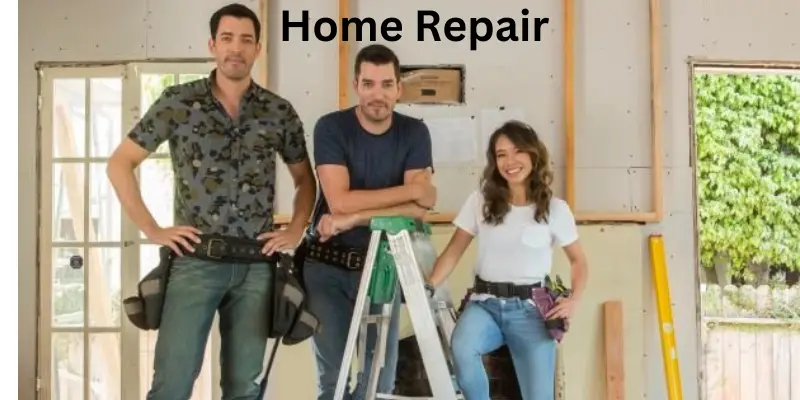
Many homeowners postpone repairs because they appear overwhelming or expensive. Small issues often develop into major problems when ignored. A minor plumbing leak can lead to mold growth. A cracked roof shingle can result in water intrusion. Loose handrails can create safety hazards for family members and visitors.
Home repair is not simply about fixing what is broken. It is about preserving property value, improving functionality, increasing energy efficiency, and preventing costly emergencies.
This comprehensive guide explores essential home repair categories, common household problems, preventive maintenance strategies, and practical solutions every homeowner should understand. To know more regarding repairs explore the article Section 504 Home Repair Program.
Why Home Repair Matters for Every Homeowner
Your home is one of your most significant investments. Regular repairs and maintenance help protect that investment while ensuring a comfortable living environment.
Benefits of timely home repairs include:
- Increased property value
- Improved safety
- Lower maintenance costs
- Better energy efficiency
- Reduced risk of emergency repairs
- Extended lifespan of home systems
- Enhanced appearance and curb appeal
Ignoring repairs often creates a chain reaction of damage that becomes increasingly expensive over time.
For example:
- A leaking pipe can damage flooring and drywall.
- Poor roof maintenance can cause structural deterioration.
- Faulty wiring can become a fire hazard.
- Neglected HVAC systems can increase utility bills.
A proactive approach to home repair helps homeowners avoid these issues while preserving their property’s condition. The article Homesmyth com is very relative to repair.
Common Home Repair Issues Every Homeowner Faces
Homes experience wear and tear from weather, usage, aging materials, and environmental factors.
Some of the most common repair concerns include:
Plumbing Problems
Plumbing issues frequently rank among the most common home repair needs.
Typical plumbing repairs include:
- Dripping faucets
- Running toilets
- Clogged drains
- Leaking pipes
- Low water pressure
- Water heater issues
Even minor leaks can waste substantial amounts of water and increase utility expenses.
Electrical Repairs
Electrical systems require careful attention to maintain safety.
Common electrical problems include:
- Dead outlets
- Flickering lights
- Tripped breakers
- Faulty switches
- Damaged wiring
- Overloaded circuits
Electrical work often requires professional expertise due to safety risks.
Drywall Damage
Drywall can become damaged through daily household activities.
Common causes include:
- Furniture impacts
- Door handle dents
- Water damage
- Nail holes
- Cracks from settling
Many minor drywall repairs can be completed with basic tools and patching compounds.
Roofing Issues
The roof protects the entire structure from weather exposure.
Common roof repairs involve:
- Missing shingles
- Flashing damage
- Roof leaks
- Ventilation issues
- Gutter-related damage
Routine inspections help identify problems before significant damage occurs.
HVAC Maintenance and Repairs
Heating and cooling systems require ongoing care.
Typical HVAC concerns include:
- Dirty filters
- Uneven temperatures
- Poor airflow
- Thermostat issues
- Refrigerant leaks
- Mechanical wear
Regular servicing improves efficiency and extends equipment lifespan.
Essential DIY Home Repairs Homeowners Can Handle
Not every repair requires professional assistance. Many tasks can be completed safely by homeowners with basic knowledge and tools.
Examples include:
- Replacing air filters
- Fixing minor drywall holes
- Tightening loose hardware
- Unclogging drains
- Replacing weather stripping
- Caulking windows and doors
- Installing shelf brackets
Before starting any repair project:
- Understand the scope of work.
- Gather proper tools.
- Follow manufacturer instructions.
- Use safety equipment.
- Know when professional help is necessary.
DIY repairs can reduce costs while helping homeowners better understand their property’s systems.
How to Create an Effective Home Repair Toolkit
Every homeowner benefits from maintaining a basic repair toolkit.
Essential tools include:
- Hammer
- Screwdriver set
- Adjustable wrench
- Utility knife
- Tape measure
- Pliers
- Cordless drill
- Stud finder
- Flashlight
- Level
- Safety goggles
- Work gloves
A well-stocked toolkit allows quick responses to common maintenance and repair needs.
Quality tools often last for many years and provide greater reliability during projects.
Preventive Home Maintenance That Reduces Repair Costs
Preventive maintenance remains one of the most effective strategies for minimizing repair expenses.
Regular inspections help identify potential issues before they become serious.
Key maintenance tasks include:
Monthly Maintenance
- Inspect plumbing fixtures
- Test smoke detectors
- Replace HVAC filters if needed
- Check for water leaks
- Inspect electrical outlets
Seasonal Maintenance
- Clean gutters
- Examine roofing materials
- Service HVAC systems
- Inspect exterior caulking
- Check weather stripping
Annual Maintenance
- Inspect attic insulation
- Test sump pumps
- Flush water heaters
- Review exterior drainage
- Schedule professional inspections
Consistent maintenance often prevents major repair bills later.
How to Repair a Leaking Faucet Without Replacing the Entire Fixture
Leaking faucets are among the most common household problems.
Typical causes include:
- Worn washers
- Damaged O-rings
- Corroded valve seats
- Faulty cartridges
Basic repair steps:
- Turn off water supply.
- Remove handle components.
- Inspect internal parts.
- Replace worn components.
- Reassemble faucet.
- Test for leaks.
Many faucet repairs cost only a few dollars compared to full fixture replacement.
Best Methods for Repairing Damaged Drywall Like a Professional
Drywall damage affects appearance and may worsen over time.
Repair methods depend on damage size:
Small holes:
- Apply spackle.
- Sand smooth.
- Prime and paint.
Medium holes:
- Use mesh repair patches.
- Apply joint compound.
- Sand and repaint.
Large holes:
- Cut damaged section.
- Install replacement drywall.
- Tape seams.
- Finish with compound and paint.
Proper preparation produces seamless results.
How to Prevent Costly Roof Repairs Through Routine Inspections
Roof repairs can become expensive if problems remain undetected.
Homeowners should inspect roofs for:
- Missing shingles
- Curling shingles
- Moss growth
- Damaged flashing
- Water stains in attic spaces
Warning signs often appear long before significant leaks develop.
Professional roof inspections can identify hidden vulnerabilities and extend roof lifespan.
Home Repair Tips for Fixing Drafty Windows and Doors
Air leaks reduce comfort and increase energy costs.
Common causes include:
- Worn weather stripping
- Gaps around frames
- Damaged seals
- Poor installation
Repair solutions:
- Install new weather stripping
- Apply caulk
- Use foam sealants
- Replace damaged components
Energy-efficient repairs often provide immediate savings on heating and cooling expenses.
How to Identify Hidden Water Damage Before It Becomes Serious
Water damage can remain unnoticed for months.
Signs include:
- Peeling paint
- Soft drywall
- Musty odors
- Stained ceilings
- Warped flooring
- Mold growth
Early detection minimizes repair costs and reduces structural damage risks.
Regular inspections around plumbing fixtures, appliances, and roofing components help identify hidden leaks.
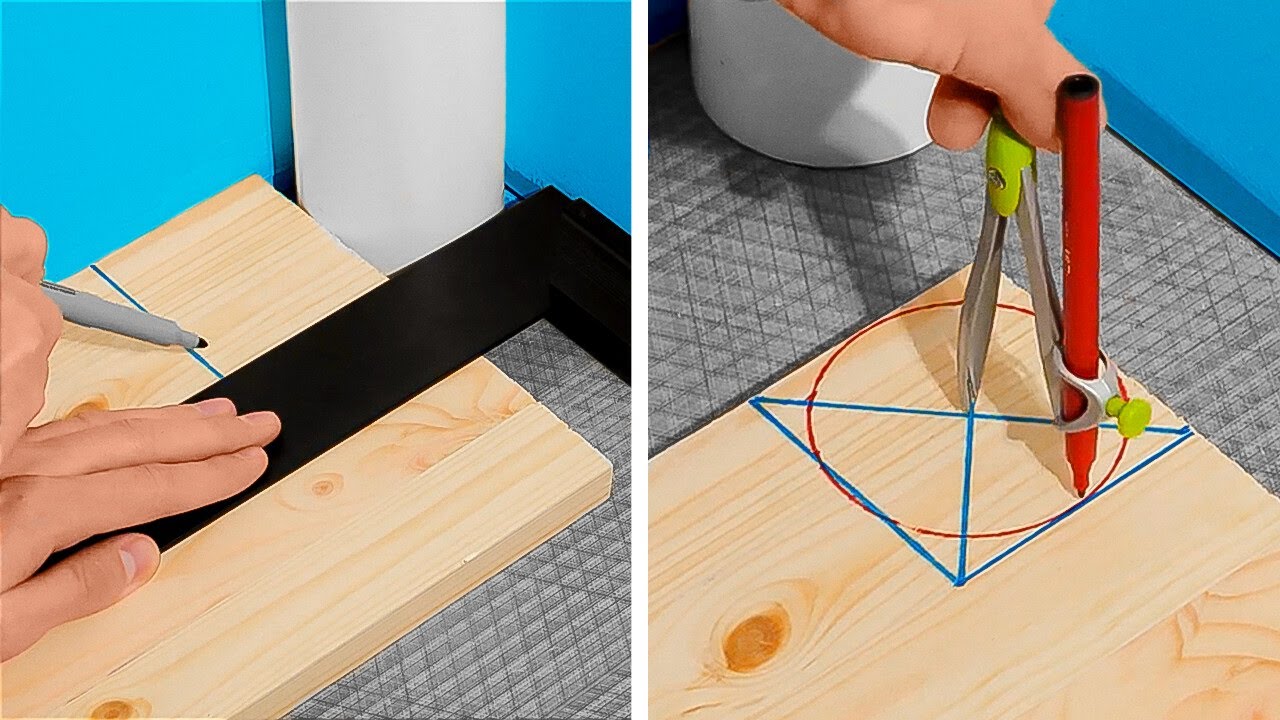
Understanding When Professional Home Repair Services Are Necessary
Certain repairs require specialized expertise.
Professional assistance is recommended for:
- Major electrical work
- Structural repairs
- Gas line issues
- Extensive roofing projects
- Foundation damage
- Complex plumbing installations
Attempting advanced repairs without proper training can create safety risks and increase costs.
Hiring qualified professionals often delivers better long-term outcomes.
How Home Repairs Affect Property Value
Well-maintained homes generally attract stronger buyer interest and command higher prices.
Repairs that frequently improve property value include:
- Roof replacement
- Updated plumbing
- Modern electrical systems
- Fresh interior paint
- Flooring repairs
- Window upgrades
- Exterior improvements
Potential buyers often view visible maintenance issues as indicators of larger hidden problems.
Maintaining a repair schedule helps preserve market value over time.
Home Safety Repairs That Should Never Be Delayed
Some repairs directly impact occupant safety.
High-priority issues include:
- Exposed wiring
- Faulty smoke detectors
- Loose stair railings
- Gas leaks
- Water intrusion near electrical systems
- Structural cracks
Addressing these concerns immediately reduces safety hazards and liability risks.
Safety-focused repairs should always take precedence over cosmetic improvements.
Budgeting for Home Repairs and Maintenance
Unexpected repairs are part of homeownership.
Financial experts often recommend allocating 1% to 3% of a home’s value annually for maintenance and repairs.
A dedicated repair fund helps cover:
- Emergency plumbing repairs
- HVAC replacements
- Roof repairs
- Appliance failures
- Water damage restoration
Planning ahead reduces financial stress when unexpected issues occur.
The Role of Technology in Modern Home Repair
Technology continues transforming home maintenance and repair management.
Innovations include:
- Smart leak detectors
- Connected thermostats
- Home maintenance apps
- Digital inspection tools
- Remote monitoring systems
- Smart electrical panels
These technologies help homeowners identify problems earlier and make informed maintenance decisions.
Smart home solutions increasingly contribute to preventive maintenance strategies.
Eco-Friendly Home Repair Practices for Sustainable Living
Sustainable repairs benefit both homeowners and the environment.
Eco-conscious approaches include:
- Using low-VOC paints
- Installing energy-efficient windows
- Choosing recycled materials
- Repairing instead of replacing
- Improving insulation
- Upgrading to efficient fixtures
Sustainable repair choices often lower long-term operating costs while reducing environmental impact.
Common Home Repair Mistakes to Avoid
Many homeowners unintentionally increase repair costs through avoidable mistakes.
Examples include:
- Ignoring small problems
- Using incorrect tools
- Skipping safety procedures
- Choosing low-quality materials
- Overestimating DIY abilities
- Delaying maintenance
Careful planning and informed decision-making improve repair outcomes.
Learning basic home repair principles helps homeowners avoid costly errors.
Future Trends Shaping Home Repair in 2026 and Beyond
The home repair industry continues evolving through innovation and changing homeowner expectations.
Emerging trends include:
- AI-assisted diagnostics
- Predictive maintenance systems
- Smart sensor technology
- Energy-efficiency upgrades
- Sustainable building materials
- Remote repair monitoring
- Automated maintenance alerts
These advancements allow homeowners to identify issues earlier and manage maintenance more effectively.
Future home repair strategies will increasingly focus on prevention rather than reactive fixes.
AI-Powered Home Repair Diagnostics and Smart Maintenance Tools
Artificial intelligence is transforming the home repair industry by helping homeowners identify issues before they become expensive problems. AI-powered diagnostic tools can analyze data from connected devices, detect unusual system behavior, and provide maintenance recommendations in real time. Smart maintenance platforms monitor HVAC systems, plumbing networks, and electrical components, helping homeowners schedule repairs proactively. As smart home technology becomes more accessible, AI-driven repair solutions are making home maintenance more efficient, accurate, and cost-effective.
Predictive Home Maintenance Using Smart Home Sensors
Predictive maintenance is changing how homeowners care for their properties. Smart sensors installed throughout the home can monitor moisture levels, temperature fluctuations, air quality, and equipment performance. These devices send alerts when potential issues are detected, allowing homeowners to address problems before they lead to costly repairs. Predictive maintenance reduces unexpected breakdowns, extends the lifespan of home systems, and supports a more proactive approach to property management.
Energy-Efficient Home Repairs That Lower Utility Bills
Energy-efficient home repairs not only improve comfort but also help reduce monthly utility expenses. Upgrading insulation, sealing air leaks, replacing outdated windows, and installing energy-efficient appliances can significantly lower energy consumption. Repairs that improve HVAC efficiency and optimize home performance contribute to long-term savings. As energy costs continue to rise, homeowners are increasingly prioritizing repair projects that enhance efficiency and reduce environmental impact.
Sustainable and Eco-Friendly Repair Materials for Modern Homes
Sustainability is becoming a major factor in home repair decisions. Modern homeowners are choosing eco-friendly materials such as recycled wood, low-VOC paints, reclaimed building products, and energy-efficient fixtures. Sustainable repair materials help reduce environmental impact while maintaining durability and performance. These options often contribute to healthier indoor environments and support long-term property value through environmentally responsible home improvements.
DIY vs Professional Home Repair Cost Analysis in 2026
The decision between DIY repairs and hiring professionals depends on project complexity, skill level, and safety considerations. DIY projects can save money on labor costs for minor repairs such as painting, caulking, and basic fixture replacements. Professional contractors, however, offer expertise, specialized equipment, and compliance with building codes for more complex repairs. In 2026, homeowners are increasingly evaluating total project costs, time investment, and potential risks before choosing the most practical repair approach.
Home Repair Strategies for Extreme Weather and Climate Resilience
Changing weather patterns are encouraging homeowners to invest in climate-resilient repair strategies. Reinforced roofing systems, improved drainage solutions, impact-resistant windows, and upgraded insulation help properties withstand severe weather conditions. Preventive repairs designed for climate resilience can reduce future damage from storms, flooding, heat waves, and freezing temperatures. Preparing homes for extreme weather has become an important aspect of long-term property protection.
Smart Leak Detection Systems and Water Damage Prevention
Water damage remains one of the most expensive home repair challenges. Smart leak detection systems provide early warnings when abnormal moisture levels or leaks are detected. These devices can monitor plumbing systems continuously and, in some cases, automatically shut off water supplies to prevent extensive damage. Early detection reduces repair costs, protects structural components, and helps homeowners avoid major restoration expenses.
Aging-in-Place Home Modifications and Safety Repairs
Many homeowners are adapting their homes to support safe and comfortable living as they age. Aging-in-place modifications include installing grab bars, improving lighting, widening doorways, and upgrading flooring to reduce slip hazards. Safety-focused repairs can significantly improve accessibility while maintaining independence. These improvements also increase the home’s appeal to a broader range of future buyers seeking accessible living spaces.
Insurance Coverage for Home Repairs and Emergency Damage Claims
Understanding insurance coverage is essential when unexpected home repairs arise. Homeowners insurance policies may cover damage caused by storms, fire, vandalism, or certain plumbing failures, while routine maintenance issues are typically excluded. Knowing what is covered helps homeowners respond quickly during emergencies and avoid unexpected expenses. Maintaining accurate records, inspection reports, and repair documentation can streamline the claims process and support successful coverage decisions.
Home Repair Trends Increasing Property Value in 2026
Home repair trends in 2026 are increasingly focused on functionality, efficiency, and smart technology integration. Buyers are attracted to homes with updated systems, energy-efficient upgrades, smart home features, and well-maintained structures. Repairs that improve curb appeal, enhance indoor comfort, and reduce operating costs continue to deliver strong returns on investment. Strategic home repairs not only protect property condition but also contribute to higher resale value in a competitive housing market.
FAQs on Home Repair
1. What are the most common home repairs homeowners face?
Plumbing leaks, drywall damage, roofing issues, electrical problems, HVAC maintenance, and window or door repairs are among the most common home repair tasks.
2. How often should I inspect my home for repair needs?
A basic inspection should be performed monthly, while more detailed seasonal and annual inspections help identify developing problems early.
3. Which home repairs can I safely do myself?
Simple tasks such as patching drywall, replacing weather stripping, unclogging drains, and fixing minor leaks are often suitable DIY projects.
4. How much should I budget annually for home repairs?
Most experts recommend setting aside 1% to 3% of your home’s value each year for maintenance and unexpected repairs.
5. When should I hire a professional instead of doing a DIY repair?
Professional help is recommended for structural work, major plumbing projects, electrical repairs, roofing repairs, and gas-related issues.
6. Do regular home repairs increase property value?
Yes. Consistent maintenance and timely repairs help preserve and often increase property value while making homes more attractive to future buyers.
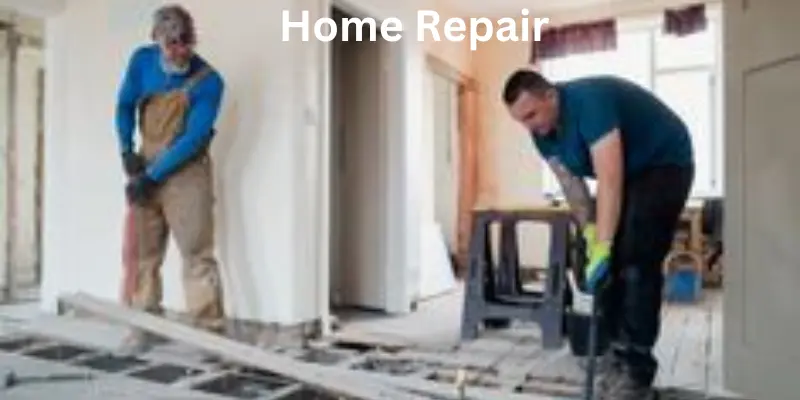
Final Thoughts
Home repair is a critical part of responsible homeownership. Routine maintenance, timely repairs, and proactive inspections help preserve property value, improve safety, and reduce long-term expenses. Whether addressing a small plumbing issue, repairing drywall damage, maintaining roofing systems, or investing in preventive maintenance, every repair contributes to the overall health of a home.
A strategic approach to home repair empowers homeowners to protect their investment while creating a safer, more comfortable living environment. By combining practical knowledge, regular inspections, quality materials, and professional expertise when necessary, homeowners can successfully manage repairs and keep their properties in excellent condition for years to come.
Quotes for a Home Repair Blog
“Timely home repairs today prevent expensive home maintenance problems tomorrow.”
This quote reinforces the importance of preventive maintenance and encourages homeowners to address small issues before they become costly repairs.
“A well-maintained home delivers greater comfort, stronger protection, and lasting property value.”
Perfect for emphasizing how regular home repairs contribute to safety, efficiency, and long-term investment growth.
“Every repaired leak, sealed gap, and fixed fixture helps create a safer and more energy-efficient home.”
This callout highlights the practical benefits of routine home repair while naturally incorporating valuable SEO keywords.
“Smart home maintenance is the foundation of fewer emergencies, lower repair costs, and better home performance.”
An ideal quote for sections discussing preventive maintenance, home inspections, and cost-saving repair strategies.
“The secret to protecting your home’s value isn’t waiting for problems—it’s repairing them before they grow.”
This quote supports topics related to property value, proactive maintenance, and responsible homeownership.
“Home repair is not just about fixing what’s broken; it’s about preserving comfort, safety, and peace of mind.”
A strong concluding quote that resonates with homeowners while reinforcing the broader purpose of home maintenance.
Featured Pull Quote
“Small home repairs completed today can save thousands in future repair and maintenance costs.”





- Be Respectful
- Stay Relevant
- Stay Positive
- True Feedback
- Encourage Discussion
- Avoid Spamming
- No Fake News
- Don't Copy-Paste
- No Personal Attacks
- Be Respectful
- Stay Relevant
- Stay Positive
- True Feedback
- Encourage Discussion
- Avoid Spamming
- No Fake News
- Don't Copy-Paste
- No Personal Attacks
