How to Choose the Perfect Area Rug for Every Room
Published: 11 May 2026
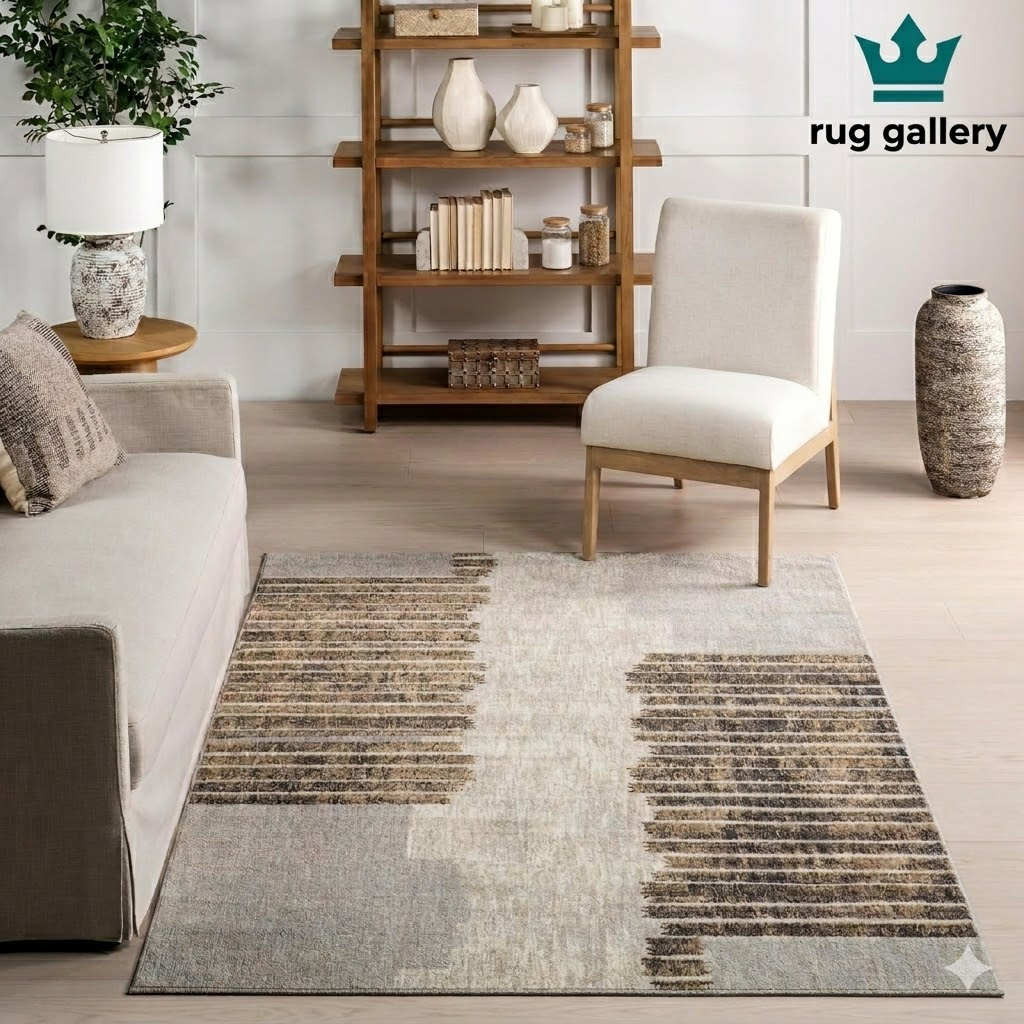
You notice it the second you walk into a room.Something feels unfinished. The furniture is there. The wall color works. The lighting is decent. But the space still lacks warmth and balance. In many homes the missing piece is surprisingly simple: the rug.
The right area rugs can completely change how a room feels. They soften hard floors. They help define spaces. They even affect how large or cozy a room appears. But choosing one is not as easy as grabbing a style you like online and hoping for the best.
Size mistakes happen all the time. So do color mismatches. And honestly most people realize the problem only after the rug is already sitting in the middle of the room looking awkward.
The Size Mistake Almost Everyone Makes
A rug that is too small can make an entire room feel disconnected.This happens constantly in living rooms especially. People buy a rug based on price instead of layout and end up with something floating awkwardly under a coffee table.
Here’s what actually works.
In most living rooms the rug should be large enough for at least the front legs of the furniture to sit on it. In larger layouts all furniture legs can rest fully on the rug for a more grounded look.For dining rooms you need enough extra rug space so chairs stay on the rug even when pulled out. Otherwise the chair catches the edge every single time someone sits down.
Bedrooms follow a different rhythm. A rug should extend beyond the sides of the bed so your feet land on something soft in the morning instead of cold flooring.Small rugs rarely make a room feel larger.They usually make it feel incomplete.
Stop Choosing Area Rugs by Color Alone
You’ve probably already thought about matching the rug to your sofa or curtains. That makes sense. But color alone is not what determines whether a rug feels right in a space.
Texture matters just as much.
A thick plush rug creates a softer more relaxed atmosphere. Flatweave rugs feel cleaner and lighter. Natural fiber options like jute bring warmth but can feel rough under bare feet.
Here’s the part nobody tells you upfront.
Some rugs look amazing online but feel completely wrong in real life because the texture clashes with how the room is actually used.
For example:
- High pile rugs feel cozy in bedrooms
- Low pile rugs work better under dining tables
- Washable rugs help in homes with pets or kids
- Wool rugs last longer but often cost more
A good Rug Store usually lets you compare materials in person which helps more than scrolling through hundreds of photos online.
Because once you touch the texture the decision often becomes clearer immediately.
What Looks Good vs. What Actually Works
Instagram rooms are beautiful.They are also not always practical.
That white cream rug in a perfectly staged living room may look stunning online. Put it in a busy family home with pets coffee spills and muddy shoes and the story changes quickly.The best rug is not always the trendiest one. It is the one that fits your actual lifestyle.In open-plan homes darker patterned rugs often hide wear much better. In quiet adult spaces lighter neutral tones can create an airy high-end feel.
There’s always a tradeoff.Natural fiber rugs look timeless but stain more easily. Synthetic rugs handle traffic better but may not feel as luxurious. Vintage-inspired patterns hide dirt well while solid light colors show every little mark.
None of these choices are wrong.They just solve different problems.
Does Rug Material Really Matter That Much?
Yes. More than most people think.Material affects durability, comfort cleaning and even noise levels inside a room.Wool remains one of the most reliable choices because it is naturally durable soft and resistant to crushing. It works especially well in living rooms and bedrooms where comfort matters.Polypropylene rugs are common because they are budget-friendly and easy to clean. Great for busy homes. Not always the softest option though.
Cotton rugs feel lighter and more casual but may wear down faster in high-traffic areas.
Then there’s jute and sisal. Beautiful texture. Very natural look. But they are not ideal for moisture-prone spaces.
Here’s a simple way to think about it:
- Comfort-focused room → softer fibers
- Heavy traffic space → durable low-maintenance materials
- Decorative space → texture and style can take priority
A rug is not just décor.
It functions like part of the room’s foundation.
The Living Room Needs a Different Strategy Than the Bedroom
A lot of buying mistakes happen because people use the same rug approach for every room.That rarely works.Living rooms need structure. Rugs help connect furniture and define conversation areas. If your rug feels disconnected from the seating arrangement the room can seem scattered even when everything matches.
Bedrooms are different emotionally. Softness matters more there. Warmth matters more. People often prefer rugs that extend under the lower two-thirds of the bed while leaving visible flooring near the headboard.Hallways need durability first. Kitchens need easy cleaning. Home offices benefit from flatter rugs that allow chairs to move smoothly.Each room asks something different from the rug.That changes the decision completely.
Pattern Can Fix More Problems Than You Think
Here’s something interesting.Pattern is not just decoration. It changes how people perceive a room.Large patterns make bold statements in open spaces. Smaller patterns feel quieter and more flexible. Geometric designs can modernize a room while faded vintage styles create warmth and softness.
But pattern also hides wear surprisingly well.Families with pets or children often regret choosing plain light-colored rugs because every small stain becomes visible instantly. Patterned rugs are far more forgiving.
If your room already contains strong visual elements like colorful curtains bold artwork or dramatic wallpaper then a simpler rug often works better. But if the room feels flat the rug can become the feature that adds personality.
Not every rug should scream for attention.Sometimes balance is the smarter move.
Why Rug Placement Changes the Entire Feel of a Space
Even a beautiful rug can look wrong if placed incorrectly.A common example is pushing a rug too far against a wall while leaving empty space near the seating area. The room instantly feels awkward.
Placement affects flow.In smaller rooms leaving some flooring visible around the edges can make the space appear larger. In larger rooms a generously sized rug creates warmth and helps break up empty floor space.
Layering rugs has also become more common especially in casual interiors. A neutral base rug with a smaller patterned rug layered on top creates depth without overwhelming the room.Honestly this one surprised me the first time I saw it done properly.It makes spaces feel more lived-in and intentional instead of overly staged.
Don’t Rush the Final Decision
A rug purchase feels simple until you live with the wrong one for six months.
That’s why slowing down helps.Take measurements first. Use painter’s tape on the floor to outline the rug size before buying. Look at the room during both daylight and evening lighting. Think about how people actually move through space.
And if possible shop somewhere you can see the rug in person instead of relying only on edited online photos.A good rug does more than fill empty floor space. It changes comfort mood sound and visual balance all at once.When the choice is right the room finally feels complete without you even needing to explain why.
FAQs
How big should an area rug be for a living room?
In most living rooms the rug should fit under at least the front legs of the seating furniture. Tiny rugs often make the room feel disconnected instead of cozy.
Are light-colored rugs a bad idea for families?
Not always. But they usually show stains and dirt faster especially in busy homes with kids or pets. Patterned rugs tend to be easier to maintain visually.
Can I use multiple rugs in one room?
Yes. Large open spaces often benefit from layered or separate rugs to define different zones. The key is keeping colors or textures connected so the room still feels cohesive.
Do expensive rugs really last longer?
Sometimes yes especially with materials like wool. But durability also depends on traffic cleaning habits and placement. A mid-range rug in the right space can outlast a premium rug used incorrectly.
Is a thicker rug always better?
That’s a common misconception. Thick rugs feel softer but they are not ideal everywhere. Dining rooms offices and high-traffic areas often work better with lower pile rugs.





- Be Respectful
- Stay Relevant
- Stay Positive
- True Feedback
- Encourage Discussion
- Avoid Spamming
- No Fake News
- Don't Copy-Paste
- No Personal Attacks
- Be Respectful
- Stay Relevant
- Stay Positive
- True Feedback
- Encourage Discussion
- Avoid Spamming
- No Fake News
- Don't Copy-Paste
- No Personal Attacks
