Unclog Bathroom Sink: The Complete Step-by-Step Guide to Fix Drain Blockages
Published: 10 Apr 2026
Introduction
A clogged sink is one of the most frustrating household issues, and learning how to unclog bathroom sink can save both time and money. Whether your sink is draining slowly or completely blocked, this common problem can interrupt your daily routine and lead to bigger plumbing issues if not addressed quickly. To get more information regarding sink you may also read regarding Bathroom Sink.
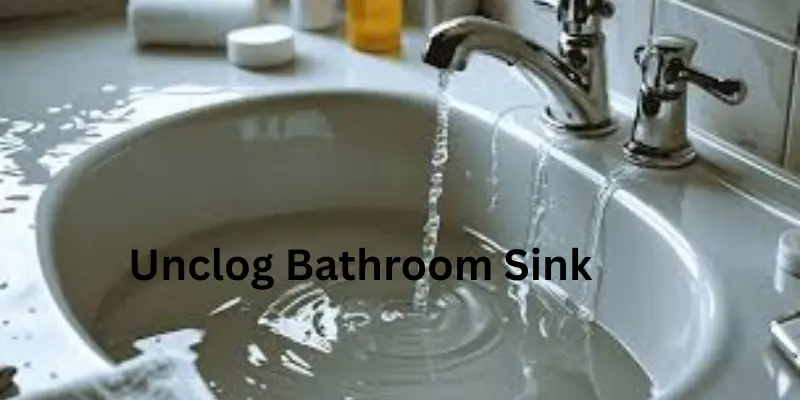
Most homeowners face this issue at some point due to everyday use. Hair, soap residue, toothpaste, and dirt gradually build up inside the drain, eventually causing a blockage. The good news is that you don’t always need a professional plumber to fix the problem. With the right knowledge and tools, you can easily unclog a bathroom sink yourself.
This comprehensive guide will walk you through everything you need to know—from identifying the causes to applying effective solutions and preventing future clogs.
What Does It Mean to Unclog Bathroom Sink
To unclog a bathroom sink means removing any blockage that prevents water from flowing freely through the drain. These clogs typically form in the pipe beneath the sink or within the drain opening.
When you unclog a bathroom sink, you restore proper drainage and prevent issues like standing water, unpleasant odors, and pipe damage.
Common Causes That Require You to Unclog Bathroom Sink
1. Hair Accumulation
Hair is the most common cause of bathroom sink clogs. It binds with soap and forms stubborn blockages.
2. Soap Scum and Toothpaste Buildup
Over time, soap and toothpaste leave residue that sticks to pipe walls.
3. Dirt and Skin Particles
Washing hands and face introduces debris that accumulates inside the drain.
4. Oils and Grease
Even small amounts of oil can solidify and contribute to clogs.
5. Foreign Objects
Items like cotton swabs, floss, or small objects can accidentally block the drain.
6. Signs You Need to Unclog Bathroom Sink
- Water drains slowly
- Standing water in the sink
- Gurgling sounds
- Bad odors from the drain
Recognizing these signs early helps you unclog a bathroom sink before the problem worsens.
7. Tools Required to Unclog Bathroom Sink
Before starting, gather these basic tools:
- Plunger
- Drain snake or zip tool
- Baking soda and vinegar
- Boiling water
- Bucket
- Wrench
- Gloves
Having the right tools makes it easier to unclog a bathroom sink efficiently.
How to Unclog Bathroom Sink: Step-by-Step Methods
1. Unclog Bathroom Sink Using Boiling Water
This is the simplest method and works best for minor clogs.
Steps:
- Boil a pot of water
- Slowly pour it into the drain
- Repeat if necessary
This method helps dissolve soap and grease buildup.
2. Unclog Bathroom Sink with Baking Soda and Vinegar
Steps:
- Pour half a cup of baking soda into the drain
- Add one cup of vinegar
- Let the mixture sit for 15–20 minutes
- Flush with hot water
This natural reaction breaks down debris effectively.
3. Use a Plunger to Unclog Bathroom Sink
Steps:
- Add a little water to the sink
- Place the plunger over the drain
- Push and pull firmly
- Repeat several times
This creates pressure that loosens the clog.
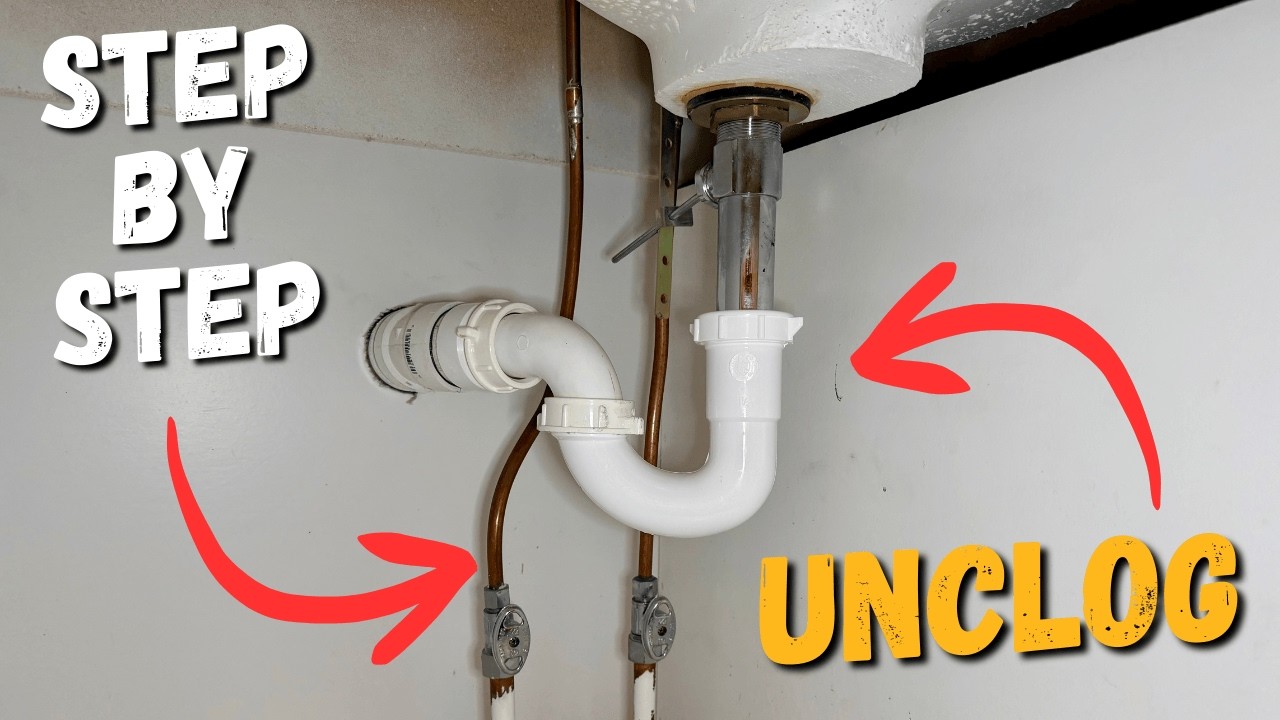
4. Clean the P-Trap to Unclog Bathroom Sink
The P-trap is the curved pipe under your sink.
Steps:
- Place a bucket underneath
- Unscrew the pipe
- Remove debris
- Reattach and test
This method is very effective for deeper clogs.
5. Use a Drain Snake to Unclog Bathroom Sink
Steps:
- Insert the snake into the drain
- Rotate it to catch debris
- Pull it out carefully
- Flush with water
This is ideal for stubborn clogs.
6. Use a Wet/Dry Vacuum
For tough blockages, a vacuum can pull out debris quickly.
Natural vs Chemical Methods to Unclog Bathroom Sink
Natural Methods
- Safe for pipes
- Eco-friendly
- Cost-effective
Chemical Cleaners
- Fast results
- May damage pipes
- Should be used sparingly
How to Prevent the Need to Unclog Bathroom Sink
Preventing blockage is always easier than fixing it. By following simple habits, you can reduce the chances of needing to unclog bathroom sink frequently.
1. Use a Drain Cover or Strainer
Hair, soap residue, and debris are the main causes of clogs. Installing a drain cover helps prevent these materials from entering the pipes and reduces the need to unclog bathroom sink.
2. Clean the Sink Regularly
Routine cleaning with warm water and mild solutions keeps buildup away. Regular maintenance minimizes the chances to unclog bathroom sink later.
3. Avoid Pouring Greasy or Sticky Substances
Even in bathroom sinks, products like oils, creams, and toothpaste can accumulate over time. Avoiding such materials helps prevent the need to unclog bathroom sink.
4. Flush with Hot Water Weekly
Pouring hot water once a week can dissolve minor buildup and keep pipes clear, reducing the need to unclog bathroom sink.
5. Use Baking Soda and Vinegar Occasionally
A natural cleaning method using baking soda and vinegar helps maintain clear pipes and prevents situations where you must unclog bathroom sink.
6. Remove Hair Immediately
Hair is one of the biggest causes of blockage. Removing visible hair after each use prevents buildup and avoids the need to unclog bathroom sink.
When You Should Call a Professional
Even if you try to unclog a bathroom sink yourself, some situations require expert help:
- Complete blockage
- Multiple clogged drains
- Persistent odor
- Water leakage
Common Mistakes When Trying to Unclog Bathroom Sink
While attempting to unclog bathroom sink, many people make mistakes that can worsen the problem.
1. Using Too Many Chemical Cleaners
Overusing harsh chemicals can damage pipes and create long-term issues instead of solving the need to unclog bathroom sink.
2. Ignoring the Root Cause
Simply clearing the blockage without identifying the cause leads to repeated problems and frequent need to unclog bathroom sink.
3. Using Incorrect Tools
Using unsuitable tools can push the clog deeper, making it harder to unclog bathroom sink effectively.
4. Applying Excessive Force
Too much pressure with plungers or tools can damage pipes instead of helping to unclog bathroom sink.
5. Not Cleaning the P-Trap
The P-trap is often where debris collects. Ignoring it can make attempts to unclog bathroom sink incomplete.
6. Waiting Too Long
Delaying action can turn a minor clog into a major blockage, making it more difficult to unclog bathroom sink.
Common Causes of Bathroom Sink Clogs
Understanding the cause helps you unclog a bathroom sink more effectively.
1. Hair Buildup
Hair binds with soap and creates stubborn clogs.
2. Soap and Toothpaste Residue
Sticky residue builds up inside pipes over time.
3. Dirt and Debris
Daily washing introduces particles into the drain.
4. Oil and Grease
Even small amounts can harden and block pipes.
5. Foreign Objects
Items like cotton swabs or floss can clog drains.
How to Unclog Bathroom Sink Without Baking Soda
If you don’t have baking soda, you can still unclog a bathroom sink using other effective methods.
1. Boiling Water Method
Pour boiling water slowly into the drain to dissolve soap and grease.
2. Dish Soap and Hot Water
Mix dish soap with hot water and pour it down the drain to break down oily residue.
3. Plunger Method
Use a plunger to create pressure and loosen the clog.
4. Drain Snake or Zip Tool
Insert into the drain to remove debris manually.
5. Salt and Hot Water
Salt acts as an abrasive cleaner when combined with hot water.
These methods are simple and effective ways to unclog a bathroom sink without baking soda.
Best Drain Cleaners for Bathroom Sinks
When DIY methods don’t work, drain cleaners can help unclog a bathroom sink.
Types of Drain Cleaners
1. Enzyme-Based Cleaners
- Safe for pipes
- Eco-friendly
- Works gradually
2. Chemical Cleaners
- Fast and powerful
- Effective for tough clogs
- Use cautiously
3. Gel Cleaners
- Thick consistency
- Targets deep clogs
Tips for Using Drain Cleaners
- Follow instructions carefully
- Avoid mixing different chemicals
- Use protective gloves
How to Remove Hair from Sink Drain
Hair is the leading cause of clogs, so removing it is key to unclog a bathroom sink.
Methods to Remove Hair
1. Drain Snake Tool
Insert and pull out trapped hair.
2. Wire Hook
Use a bent wire to grab hair clumps.
3. Tweezers or Pliers
Helpful for visible hair near the drain opening.
4. Vacuum Method
A wet/dry vacuum can pull out debris.
Prevention Tip
Install a drain cover to stop hair from entering the pipe.
Bathroom Sink Maintenance Checklist
Regular maintenance reduces the need to frequently unclog a bathroom sink.
Weekly Tasks
- Flush drain with hot water
- Remove visible debris
Monthly Tasks
- Clean drain with natural solutions
- Check for slow drainage
Quarterly Tasks
- Inspect pipes and connections
- Clean P-trap
Annual Tasks
- Deep clean plumbing system
- Check for leaks or corrosion
Signs of Serious Plumbing Problems
Sometimes, trying to unclog a bathroom sink isn’t enough.
Warning Signs
- Water backing up in multiple drains
- Persistent foul odors
- Gurgling sounds
- Water leaks under sink
- Extremely slow drainage
These signs indicate deeper plumbing issues that may require professional help.
DIY vs Professional Plumbing Comparison
Understanding when to unclog a bathroom sink yourself and when to call a professional is important.
| Feature | DIY Plumbing | Professional Plumbing |
|---|---|---|
| Cost | Low | Higher |
| Skill Level | Basic | Expert |
| Tools | Limited | Advanced |
| Time | May take longer | Faster |
| Effectiveness | Good for minor clogs | Best for severe issues |
Conclusion
- Use DIY methods for minor clogs
- Call professionals for complex problems
Cost to Unclog a Bathroom Sink
The cost depends on the severity of the clog and method used.
DIY Costs
- Tools: $5 – $50
- Cleaning supplies: $5 – $20
Professional Costs
- Basic service: $75 – $150
- Moderate clog: $150 – $300
- Severe blockage: $300+
Factors Affecting Cost
- Location of clog
- Pipe condition
- Labor charges
Tools Every Homeowner Should Have for Plumbing
Having the right tools makes it easier to unclog a bathroom sink.
Essential Tools
- Plunger
- Drain snake
- Pipe wrench
- Bucket
- Gloves
Advanced Tools
- Wet/dry vacuum
- Auger
- Pipe inspection camera
These tools help you handle most minor plumbing issues at home.
Step-by-Step Summary to Unclog Bathroom Sink
- Identify the cause
- Try boiling water
- Use natural or manual methods
- Clean P-trap if needed
- Use tools like a snake
- Consider professional help if necessary
Benefits of Learning to Unclog Bathroom Sink
- Saves money
- Quick fixes
- Prevents major damage
- Improves hygiene
FAQs
1. What is the easiest way to unclog a bathroom sink?
Boiling water or baking soda and vinegar are simple and effective methods.
2. Can I unclog a bathroom sink without tools?
Yes, natural solutions can work for minor clogs.
3. How often should I clean my sink drain?
At least once a month.
4. Why does my bathroom sink clog frequently?
Hair and soap buildup are the main causes.
5. Are chemical cleaners safe for sinks?
They can be used occasionally but should not be overused.
6. When should I call a plumber?
When DIY methods fail or the clog is severe.
Summary
Knowing how to unclog a bathroom sink is an essential skill for every homeowner. From simple methods like boiling water to advanced techniques like using a drain snake, there are many effective ways to handle clogs. Regular maintenance can prevent recurring problems and keep your sink functioning properly.
Conclusion
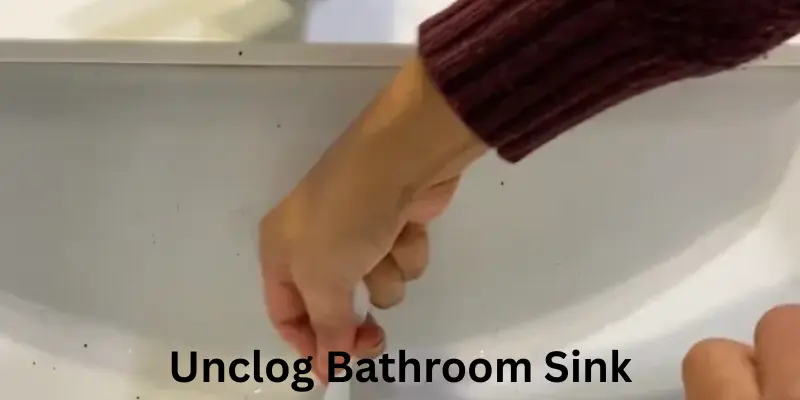
A clogged sink doesn’t have to be a major problem. By understanding the causes and using the right methods, you can easily unclog a bathroom sink and restore proper drainage. Consistent care and preventive measures will help you avoid future issues and maintain a clean, efficient bathroom.





- Be Respectful
- Stay Relevant
- Stay Positive
- True Feedback
- Encourage Discussion
- Avoid Spamming
- No Fake News
- Don't Copy-Paste
- No Personal Attacks
- Be Respectful
- Stay Relevant
- Stay Positive
- True Feedback
- Encourage Discussion
- Avoid Spamming
- No Fake News
- Don't Copy-Paste
- No Personal Attacks
