Bedroom Design: 25 Modern Ideas for Beautiful and Functional Bedrooms
Published: 23 Nov 2026
A well-planned bedroom should offer more than a comfortable place to sleep. It should provide privacy, relaxation, functionality, and a sense of personal style. Whether you live in a compact apartment, a traditional Indian home, or a spacious modern house, the right bedroom design can make your space more attractive and practical. From choosing suitable furniture to planning lighting, colours, storage, and layouts, every decision contributes to the overall appearance and comfort of the room.

Modern bedroom design focuses on balancing visual appeal with everyday convenience. For example, a carefully positioned bed can improve movement, built-in wardrobes can reduce clutter, and layered lighting can make the room suitable for different activities. Similarly, selecting materials that complement the climate and lifestyle of your household can make the bedroom more comfortable throughout the year.
However, creating an attractive bedroom does not always require an expensive renovation. Even small changes, such as rearranging furniture, improving storage, choosing a suitable colour palette, or updating the lighting, can make a noticeable difference. The key is to understand your available space and select ideas that match your needs.
In this guide, we explore 25 modern bedroom design ideas, including practical solutions for small rooms, Indian homes, master bedrooms, and contemporary interiors. These suggestions can help you create a bedroom that looks beautiful while remaining comfortable and functional.
Explore 25 modern bedroom design ideas, including practical solutions
1. Choose a Modern Bedroom Design with Clean Lines
Modern interiors are popular because they create a neat, balanced, and uncluttered appearance. This approach works particularly well in bedrooms where relaxation and comfort should remain the main priorities. Instead of filling the room with unnecessary furniture, focus on a few well-selected pieces that complement one another.
Start with a simple bed frame, a practical wardrobe, and matching bedside tables. Straight furniture lines, subtle finishes, and balanced proportions can make the room appear more organised. You can also introduce one attractive feature, such as a wooden headboard or a contemporary pendant light, to give the space character.
Neutral shades such as beige, warm white, grey, and soft brown work well in modern interiors. Nevertheless, you can introduce deeper colours through furniture, artwork, or an accent wall. For more inspiration, explore these home decor ideas and select elements that suit your bedroom.
2. Create a Minimalist Bedroom Layout
Minimalist bedroom design is an excellent choice for people who prefer simple surroundings. Its main principle is to keep only the furniture and accessories that serve a purpose or contribute meaningfully to the room’s appearance.
Begin by identifying the essential items you need. A bed, wardrobe, bedside table, and suitable lighting may be enough for many bedrooms. If additional furniture is necessary, choose compact designs that do not obstruct movement. Furthermore, avoid placing too many decorative objects on tables, shelves, and other surfaces.
A limited colour palette can strengthen the minimalist appearance. White, cream, light grey, and natural wood tones create a calm atmosphere. You can also use concealed storage to keep everyday belongings out of sight. As a result, the bedroom feels more spacious and easier to maintain.
3. Design a Small Bedroom with Smart Space Planning
Small bedrooms require careful planning because every available area matters. Poor furniture placement can make a compact room feel crowded, even when it contains only a few items. Therefore, measure the room before purchasing furniture or deciding where everything should go.
A bed with built-in drawers can provide additional storage without requiring a separate cabinet. Similarly, wall-mounted bedside shelves can replace bulky tables. Sliding wardrobe doors are another practical option because they do not require the same opening clearance as traditional hinged doors.
Try to maintain clear walking paths around the bed and near the entrance. Additionally, use lighter wall colours and avoid oversized furniture wherever possible. Mirrors can also help reflect natural light and create a greater sense of openness.
For a more effective small-bedroom design, consider vertical storage, multifunctional furniture, and carefully positioned lighting. These solutions make a compact bedroom more practical without compromising comfort.
4. Introduce a Stylish Wooden Bedroom Design
Wood remains a popular material for bedroom interiors because it adds warmth and natural character. It can be incorporated through bed frames, wardrobes, flooring, wall panels, bedside tables, and ceiling details.
For a contemporary appearance, combine light wood with white or beige walls. On the other hand, darker wood finishes can create a richer and more traditional atmosphere. The important point is to maintain a balanced combination rather than using too many different wood tones.
You can also introduce a wooden headboard as the main feature behind the bed. Vertical wooden slats, decorative panels, or a simple finished board can make this area visually attractive. If you want to explore more wall treatments, see this complete guide to wall decor ideas.
When choosing wooden materials, consider durability, maintenance, finish, and resistance to moisture. These factors are especially important in Indian homes where seasonal humidity can affect certain materials.
5. Plan an Elegant Master Bedroom Design
A master bedroom should provide enough space for sleeping, storage, dressing, and relaxation. Its layout should support everyday activities while maintaining a comfortable and coordinated appearance.
Start by selecting a bed size that fits the room without restricting movement. A king-size bed may suit a spacious master bedroom, whereas a queen-size option can be more practical in a smaller layout. Next, position the wardrobe where it remains accessible without blocking doors or windows.
If the room has sufficient space, consider adding a small seating area, dressing table, or reading corner. However, these features should not interfere with the main walking paths. Built-in wardrobes and bedside storage can also help maintain an organised environment.
For a refined appearance, coordinate the headboard, furniture finishes, curtains, and lighting. A combination of warm neutral colours, textured materials, and carefully selected details can create a comfortable master bedroom without making it feel overly formal.
6. Use a Contemporary Bedroom Colour Scheme
Colour selection has a major influence on how a bedroom looks and feels. A suitable palette can make the room appear brighter, warmer, larger, or more relaxing. Therefore, choose colours according to the room’s natural light, dimensions, and existing furniture.
Soft beige, ivory, light grey, and muted green are useful choices for contemporary interiors. These shades create a calm background and allow furniture and architectural features to stand out. Meanwhile, navy blue, forest green, terracotta, or charcoal can introduce contrast when used selectively.
One practical approach is to choose a dominant wall colour, a complementary furniture finish, and one or two accent shades. This prevents the room from appearing visually disconnected.
Before painting the entire bedroom, test colour samples under natural and artificial lighting. A shade that looks attractive in a showroom may appear different in your home. This small step can help you avoid an expensive mistake.
7. Create a Beautiful Bedroom Feature Wall
A feature wall gives the bedroom a clear focal point without requiring a complete interior renovation. The wall behind the bed is often the most suitable location because it naturally attracts attention.
You can create this feature using paint, wallpaper, wooden panels, textured finishes, or decorative wall mouldings. For example, a muted accent colour can provide a simple contemporary look, while vertical panels can add depth and structure.
However, the feature should complement the rest of the room. Avoid combining several competing patterns or finishes in a small bedroom. Instead, select one design treatment and keep the surrounding walls relatively simple.
Wall panels are another option for creating a distinctive interior. You can explore ideas in our guide to panels for walls and consider whether a similar treatment would work behind your bed.
8. Choose a Functional Bedroom Furniture Layout
Furniture placement should be based on the shape and dimensions of the room rather than appearance alone. Even attractive furniture can create problems when it blocks windows, restricts access to wardrobes, or makes the bedroom difficult to navigate.
In many layouts, positioning the bed against the main wall provides a natural starting point. Bedside tables can then be placed on either side if enough space is available. The wardrobe should remain accessible, while dressing tables and additional cabinets should be positioned where they do not interfere with movement.
For unusually shaped rooms, draw a simple floor plan before moving heavy furniture. Mark the location of doors, windows, electrical outlets, and built-in storage. Then compare different arrangements to identify the most practical option.
A good furniture layout should allow you to move comfortably between the entrance, bed, wardrobe, and other important areas.
9. Introduce a Modern Bedroom Ceiling Design

The ceiling is often overlooked during bedroom planning, even though it can influence the overall appearance of the room. A carefully designed ceiling can complement the furniture, lighting, and architectural style.
A simple false ceiling with recessed lighting can create a clean contemporary appearance. Alternatively, wooden ceiling accents or subtle geometric details can add character. In rooms with limited height, however, avoid elaborate designs that make the ceiling appear lower.
Lighting should be considered before installing a false ceiling. Decide where you need general illumination, reading lights, and decorative fixtures. This makes it easier to position electrical points and avoid unnecessary changes later.
For a balanced interior, choose ceiling details that support the bedroom’s overall design rather than making the ceiling the only noticeable feature.
10. Improve the Bedroom with Layered Lighting
Good lighting makes a bedroom more comfortable and adaptable. Instead of depending on a single bright ceiling light, combine different lighting sources to support sleeping, reading, dressing, and general activities.
Ambient lighting provides overall illumination. Task lighting is useful beside the bed or near a dressing area, while accent lighting can highlight architectural details or artwork. Bedside lamps, wall-mounted reading lights, and recessed fixtures are practical options.
In Indian homes, consider how daylight enters the room during different parts of the day. Use curtains or blinds to control excessive sunlight while allowing natural light to enter when appropriate.
Choose fixtures that complement the room’s style and provide suitable illumination. Also, consult a qualified electrician for new wiring, switches, or ceiling installations.
11. Select a Space-Saving Wardrobe Design
A well-planned wardrobe can improve both storage and the appearance of a bedroom. However, its size and internal arrangement should reflect the number of people using it and the type of belongings that need to be stored.
Floor-to-ceiling wardrobes make use of vertical space and can reduce the need for additional cabinets. Sliding doors may work particularly well in compact rooms, while hinged doors can be suitable where enough clearance is available.
Inside the wardrobe, divide storage into practical sections for hanging clothes, folded garments, footwear, accessories, and seasonal items. Drawers and adjustable shelves can make the arrangement more flexible.
For a modern bedroom design, coordinate the wardrobe finish with the bed, flooring, or wall colours. Handle-free shutters and simple panel designs can create a clean appearance.
12. Create an Indian Traditional Bedroom Design
Traditional Indian interiors offer many ways to introduce warmth, craftsmanship, and cultural character into a bedroom. Depending on your preferences, you can incorporate carved wooden furniture, traditional patterns, handcrafted textiles, or warm natural materials.
A solid wooden bed can serve as the central feature. Complement it with understated furniture and carefully selected fabrics. Traditional motifs can be introduced through a rug, cushion covers, or a small decorative element rather than covering every surface with patterns.
Colour choices can include earthy brown, muted red, mustard, cream, and deep green. However, the right combination depends on the room’s lighting and size.
You can also incorporate locally crafted furniture or handmade decorative pieces. This approach supports a distinctive bedroom design while allowing traditional details to coexist with modern conveniences.
13. Design a Luxury Bedroom with Balanced Details
Luxury bedroom design does not necessarily mean filling the room with expensive furniture. It is more about quality, proportion, thoughtful material selection, and a consistent interior theme.
Start with a comfortable bed and a well-finished headboard. Upholstered panels, natural wood, subtle metallic details, and premium-looking fabrics can introduce a sophisticated appearance. Nevertheless, avoid using too many statement materials in one room.
A coordinated colour palette can make the interior feel more refined. Warm beige, cream, taupe, muted gold, and deep brown are possible combinations. You can also introduce a darker accent wall if the room receives sufficient natural light.
Pay attention to practical details as well. Good storage, comfortable lighting, suitable curtains, and an uncluttered layout contribute more to everyday luxury than decorative features alone.
14. Add a Comfortable Bedroom Reading Corner
A reading corner can make a bedroom more useful, particularly if you enjoy spending quiet time away from the main living areas. It does not require a large amount of space.
In a spacious room, place a comfortable armchair near a window with a small side table and a reading lamp. In a compact bedroom, a built-in window seat or a small upholstered chair may be more practical.
Choose a location that receives adequate light without interfering with the main walking route. A small shelf can hold books and personal items, while a soft rug can help distinguish the reading area from the sleeping zone.
The key is to keep the corner simple. A comfortable seat, useful lighting, and a small storage solution are usually sufficient.
15. Use Mirrors to Improve the Bedroom Layout
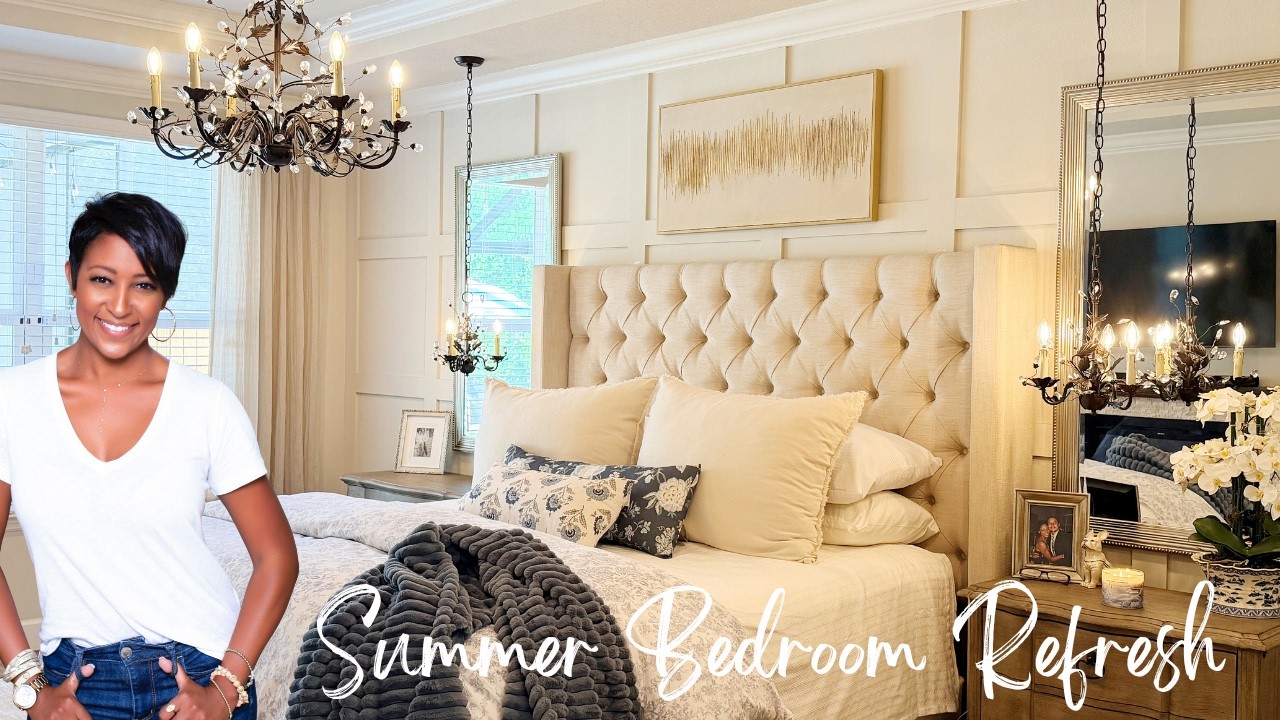
Mirrors are useful in bedroom interiors because they support everyday dressing activities and can reflect available light. When positioned thoughtfully, they can also make a compact room feel more open.
A full-length mirror can be installed near the wardrobe or dressing area. Alternatively, mirrored wardrobe panels can combine storage and practical functionality. Wall-mounted mirrors may be suitable where floor space is limited.
Before selecting a mirror, consider what it will reflect. Positioning it opposite a window can help distribute natural light, while placing it where it reflects clutter may make the room appear less organised.
Choose a frame that complements the furniture and overall design. A simple rectangular mirror can suit modern interiors, whereas a decorative frame may work better in a traditional bedroom.
16. Create a Calm Bedroom with Natural Materials
Natural materials can make a bedroom feel warm, comfortable, and connected to the outdoors. Wood, cotton, linen, jute, cane, and natural stone are some options to consider.
You can introduce these materials through furniture, flooring, window treatments, rugs, and selected accessories. For example, a wooden bed combined with cotton fabrics and a woven rug can create a relaxed atmosphere.
In warmer parts of India, breathable fabrics such as cotton and linen may be useful for everyday comfort. However, consider maintenance requirements and local humidity before choosing natural materials for every surface.
Plants can also introduce greenery, provided the bedroom receives suitable light and the selected varieties are appropriate for indoor conditions. Keep the arrangement manageable so that it does not interfere with cleaning or movement.
17. Plan a Bedroom Design for Couples
A bedroom shared by two people should accommodate both individuals’ needs. Storage, lighting, bedside access, and personal preferences should all be considered during planning.
Where space allows, provide separate bedside tables and individual reading lights. This allows one person to use a light without disturbing the other. Similarly, divided wardrobe sections can make clothing storage more organised.
Choose a colour scheme that feels comfortable to both occupants. Neutral backgrounds are useful because they can be personalised with artwork, textiles, or a few accent colours.
If the room is compact, prioritise shared functionality rather than adding unnecessary furniture. A well-organised bedroom can feel comfortable and balanced even when the available space is limited.
18. Introduce a Scandinavian-Inspired Bedroom

Scandinavian interiors are known for their simplicity, natural materials, functional furniture, and light colour palettes. These features can work well in bedrooms where an airy and uncluttered appearance is desired.
Start with light-coloured walls, simple furniture, and natural wood finishes. Keep the bed and storage units visually balanced, and avoid unnecessary decorative elements.
Soft textiles can introduce warmth. Cotton bedding, woven rugs, and subtle fabric textures can make the room feel more comfortable without creating visual clutter.
Natural light is another important part of this style. Use suitable window treatments that provide privacy while allowing daylight to enter. The result can be a calm bedroom that feels practical and welcoming.
19. Choose a Suitable Bed Headboard Design
The headboard is an important part of bedroom design because it creates a visual connection between the bed and the surrounding wall. It can also provide back support when sitting up to read or relax.
Upholstered headboards offer a soft and comfortable option. Wooden headboards can introduce warmth, while panelled designs can add a contemporary architectural feature.
Consider the bed’s width and the room’s proportions before selecting a headboard. An oversized design may overwhelm a compact bedroom, whereas a very small headboard may look out of place in a spacious master bedroom.
You should also consider cleaning and maintenance. Fabric headboards may require more regular care than certain finished wood or laminate options.
20. Make the Bedroom More Functional with Built-In Storage
Built-in storage is useful when a bedroom needs to accommodate clothes, bedding, books, and personal belongings without becoming crowded. It can also help create a coordinated appearance because the storage units are planned around the available space.
Consider storage beneath the bed, wardrobes that extend towards the ceiling, wall-mounted cabinets, and recessed shelves where appropriate. These solutions can reduce the need for multiple standalone units.
Before installation, identify what you actually need to store. This helps determine the correct combination of hanging sections, drawers, shelves, and closed cabinets.
In addition, make sure frequently used items remain accessible. Storage that is difficult to reach may look attractive but can become inconvenient during everyday use.
21. Design a Bedroom with Soft Neutral Colours
Neutral colours are popular because they create a flexible background for different furniture styles and materials. They can also make it easier to update the bedroom without repainting every surface.
Consider shades such as cream, warm white, beige, taupe, and soft grey. These colours can be combined with natural wood, textured fabrics, and darker accent details.
However, using only one shade throughout the room may make the interior look flat. Introduce subtle contrast through different finishes, materials, and carefully selected furniture.
For example, warm white walls can work with a beige headboard and light wooden furniture. A darker bedside table or an accent feature can then provide visual balance.
22. Create a Modern Bedroom with Glass and Metallic Details
Glass and metallic finishes can introduce a contemporary touch when used carefully. These materials work particularly well as supporting features rather than dominating the entire room.
Consider a mirror with a slim metal frame, a glass-fronted cabinet, or subtle metallic details on bedside lighting. Brushed brass, matte black, and stainless-steel finishes are possible choices depending on the overall colour scheme.
Glass surfaces can help maintain a lighter visual appearance, although they may require regular cleaning. Similarly, reflective metallic finishes should be selected in moderation to avoid making the room feel overly decorative.
Combine these details with simple furniture and neutral colours for a balanced contemporary interior.
23. Improve the Bedroom with Proper Window Planning
Windows influence natural light, ventilation, privacy, and the overall comfort of a bedroom. Therefore, window treatments should be selected according to the direction of sunlight, local climate, and the room’s intended use.
Curtains can soften the interior and provide privacy. Blackout curtains may be useful where strong outdoor lighting affects sleep, while lighter curtains can allow more daylight into the room.
Blinds are another option, particularly where a simple and compact window treatment is preferred. You can also combine blinds with curtains if additional light control is required.
Avoid selecting window treatments based only on appearance. Consider how easily they can be cleaned, whether they allow sufficient ventilation, and how they complement the bedroom’s furniture and colours.
24. Create a Teenager’s Bedroom with Flexible Furniture
A teenager’s bedroom often needs to support several activities, including sleeping, studying, reading, and storing personal belongings. A flexible layout can help the room adapt as needs change.
A practical bed, study desk, comfortable chair, and organised wardrobe are useful starting points. Wall-mounted shelves can provide extra storage without occupying valuable floor space.
Choose colours and decorative details that reflect the occupant’s interests while keeping the main furniture reasonably versatile. This makes it easier to update the room in the future without replacing everything.
If the bedroom is small, consider a loft bed or a compact study arrangement where suitable. However, safety, ceiling height, and comfortable access should always be considered before choosing raised furniture.
25. Combine Modern and Traditional Bedroom Design Elements
Combining modern and traditional features can create a distinctive bedroom that feels both familiar and contemporary. This approach is particularly suitable for Indian homes where traditional materials and craftsmanship can complement modern layouts.
For example, a contemporary bed can be paired with a traditional wooden bedside table. Alternatively, modern wardrobes can be combined with handcrafted decorative details or traditional textile patterns.
The important thing is to establish a consistent visual direction. Select a limited number of traditional elements and allow modern furniture to provide the foundation of the room.
You can also use warm lighting and natural materials to connect the different styles. With thoughtful planning, the bedroom can reflect personal taste without appearing mismatched.
How to Choose the Right Bedroom Design for Your Home
Selecting the right bedroom design starts with understanding how the room will be used. A master bedroom may require more storage and a larger bed, whereas a guest bedroom may benefit from a simpler layout and flexible furniture.
First, measure the room, including its doors, windows, and existing built-in features. Next, identify the essential furniture and determine where each item can be placed without restricting movement. This step helps prevent mistakes before you spend money on new furniture or renovation work.
Your budget should also influence material and furniture choices. You do not need to purchase everything at once. Prioritise the bed, storage, lighting, and essential improvements before adding optional features.
Furthermore, consider the climate in your location. Materials, fabrics, and finishes should be suitable for local temperature and humidity conditions. For Indian homes, practical maintenance and ventilation deserve particular attention.
For additional inspiration, you can explore Houzz bedroom ideas and Livspace bedroom design ideas. These resources provide examples of different layouts, furniture arrangements, and interior styles.
Common Bedroom Design Mistakes to Avoid
Even a beautiful bedroom can become uncomfortable when its layout is poorly planned. One common mistake is choosing oversized furniture without considering the room’s actual dimensions. Large beds, wardrobes, and cabinets can restrict movement and make smaller spaces feel crowded.
Another mistake is relying on a single lighting source. A bright ceiling fixture may provide general illumination, but it may not be suitable for reading or relaxing. Combining ambient and task lighting makes the room more adaptable.
Poor storage planning is another issue. Without sufficient space for clothes, bedding, and personal items, everyday belongings can quickly create clutter. Therefore, plan storage according to actual household needs.
Additionally, avoid selecting colours and finishes without considering natural light. Dark colours can work beautifully in some bedrooms, but they may make a poorly lit room feel smaller. Similarly, too many decorative materials can make an interior look inconsistent.
Finally, do not ignore ventilation, electrical safety, or furniture stability. Practical considerations should remain part of every bedroom renovation or design project.
Frequently Asked Questions About Bedroom Design
1. Which bedroom design is best for a modern home?
A modern bedroom with clean lines, functional furniture, balanced colours, and practical storage is a suitable choice for many homes. The best arrangement depends on room dimensions, natural light, and personal preferences.
2. How can I make a small bedroom look bigger?
Use appropriately sized furniture, lighter wall colours, mirrors, and vertical storage. Keeping the floor and walking paths clear can also make a compact bedroom feel more spacious.
3. Which colours are suitable for bedroom design in India?
Beige, cream, warm white, light grey, and muted green are versatile choices. However, the best colour depends on the room’s natural light, furniture, climate, and personal taste.
4. How much furniture should a bedroom have?
A bedroom should contain enough furniture to support everyday activities without restricting movement. A bed, wardrobe, and bedside storage are common essentials, while additional pieces should be selected according to available space.
5. What is the best bed placement for a bedroom?
The bed should be positioned where it allows comfortable access and does not block doors, windows, or important walking paths. The best location depends on the room’s shape and furniture arrangement.
6. How can I improve bedroom storage without making the room crowded?
Consider beds with storage drawers, floor-to-ceiling wardrobes, wall-mounted shelves, and multifunctional furniture. These options can increase storage while reducing the need for separate cabinets.
7. Is wooden furniture suitable for Indian bedrooms?
Yes. Wooden furniture can provide durability and a warm appearance. However, choose suitable finishes and materials according to local humidity, maintenance requirements, and your budget.
8. How can I make my bedroom look luxurious on a budget?

Focus on coordinated colours, good lighting, comfortable bedding, organised storage, and a well-planned furniture layout. A few carefully selected improvements can create a more refined appearance without requiring a complete renovation.
Final Thoughts
The right bedroom design should combine comfort, functionality, and personal style. Whether you prefer a modern minimalist interior, a traditional Indian bedroom, or a luxurious master bedroom, thoughtful planning can help you make better use of the available space.
Start by measuring the room and identifying your essential requirements. Then select furniture, colours, lighting, and storage solutions that work together. Rather than following every design trend, choose features that support your daily routine and remain practical over time.
Remember that a beautiful bedroom does not need to be expensive or complicated. Even a small improvement in furniture placement, lighting, storage, or material selection can make a meaningful difference. By applying these 25 bedroom design ideas, you can create a space that feels welcoming, organised, and comfortable for everyday living.






- Be Respectful
- Stay Relevant
- Stay Positive
- True Feedback
- Encourage Discussion
- Avoid Spamming
- No Fake News
- Don't Copy-Paste
- No Personal Attacks
- Be Respectful
- Stay Relevant
- Stay Positive
- True Feedback
- Encourage Discussion
- Avoid Spamming
- No Fake News
- Don't Copy-Paste
- No Personal Attacks
