Bedroom Decor Ideas: 25 Creative Ways to Transform Your Space
Published: 23 Nov 2026
A beautiful bedroom should be more than a place to sleep. It should feel comfortable, reflect your personality, and provide a relaxing environment where you can begin and end each day. Fortunately, creating an attractive bedroom does not always require expensive furniture, a complete renovation, or professional interior design services. With thoughtful planning, the right colors, comfortable textiles, attractive lighting, and carefully selected accessories, you can transform almost any bedroom.

The best bedroom decor ideas combine appearance with functionality. For example, a small bedroom can feel more spacious with appropriately sized furniture, mirrors, and smart storage. Similarly, a large bedroom can become more welcoming through layered bedding, warm lighting, and coordinated decorative elements.
Whether you prefer a modern, minimalist, farmhouse, traditional, or luxurious appearance, there are plenty of ways to personalize your space. If you are exploring broader decorating inspiration, our guide to home decor ideas also provides useful suggestions for creating a coordinated interior.
In this guide, you will discover 25 practical bedroom decorating ideas, including affordable upgrades, small-space solutions, color combinations, wall treatments, and furniture arrangements that can help you create a bedroom you genuinely enjoy.
25 practical bedroom decorating ideas, including affordable upgrades
1. Create a Modern Bedroom With Clean Lines
Modern bedroom decor focuses on simplicity, balanced proportions, and functional furniture. Instead of filling the room with unnecessary accessories, choose a few attractive elements that create a coordinated appearance.
Start with a simple bed frame, streamlined nightstands, and furniture with clean edges. Neutral colors such as white, beige, gray, and warm taupe provide a flexible foundation. You can then introduce contrast through black lighting fixtures, wooden furniture, or decorative cushions.
Furthermore, avoid overcrowding the room with furniture. Leave enough space around the bed and maintain clear walking paths. A carefully arranged modern bedroom often looks more attractive than a room filled with expensive decorations.
2. Use a Neutral Color Scheme for a Relaxing Atmosphere
Neutral bedroom colors remain popular because they create a calm and versatile environment. Shades such as cream, warm white, beige, taupe, and soft gray can make a bedroom feel comfortable without overwhelming the space.
However, using only one color throughout the room may create a flat appearance. Instead, combine several related shades. For example, warm white walls can complement beige bedding, light wooden furniture, and cream curtains.
You can also introduce darker accents through picture frames, lamps, bedside tables, or decorative cushions.
For additional inspiration, explore Farrow & Ball’s bedroom inspiration, which demonstrates how wall colors and coordinated finishes can influence bedroom interiors.
3. Transform Your Bedroom With a Statement Headboard
A statement headboard can become the main decorative feature of your bedroom. It creates a natural focal point and gives the bed a more finished appearance.
Upholstered headboards are particularly useful when you want to introduce softness and texture. Options include velvet, linen, boucle, and other fabric finishes. Alternatively, wooden headboards can create a warm, natural, or contemporary appearance.
Choose a headboard that complements the size of your bed and the available wall space. A tall upholstered design can make a strong impression in a spacious master bedroom, while a simpler design may work better in a smaller room.
You can also coordinate the headboard with bedside furniture, bedding, and wall colors to create a unified design.
4. Add Beautiful Bedroom Wall Decor
Empty bedroom walls can make a room feel unfinished. Fortunately, artwork, mirrors, framed photographs, decorative shelves, and wall panels can introduce personality without requiring major construction.
A large artwork above the bed can create an attractive focal point. Alternatively, a gallery wall with coordinated photographs or prints can give the room a more personal appearance.
When arranging multiple pieces, consider their spacing, frame colors, and proportions. Avoid placing too many unrelated decorations together.
If you want more wall-specific inspiration, explore our detailed guide to wall decor ideas, which covers artwork, mirrors, shelves, panels, and other decorative treatments.
5. Layer Your Bedding for a Comfortable Look
Bedding has a major influence on bedroom appearance because the bed usually occupies the largest visual area.
Start with comfortable sheets, followed by a duvet or comforter. Add a coordinated bedspread or throw blanket, and finish with a few decorative pillows.
Different fabrics can introduce depth without requiring additional furniture. For example, cotton sheets, a textured quilt, and a knitted throw can create an inviting combination.
You do not need to use matching patterns everywhere. Instead, choose a dominant color and introduce complementary shades through smaller bedding accessories.
Keep comfort in mind as well. Decorative pillows should not make it difficult to use the bed, and bedding should be appropriate for your local climate and personal preferences.
6. Introduce Warm and Layered Bedroom Lighting
Lighting can completely change how a bedroom looks and feels. A single overhead fixture may provide general illumination, but additional light sources create more flexibility.
Consider combining ceiling lighting with bedside lamps, wall-mounted fixtures, or floor lamps. Bedside lighting is particularly useful for reading and other nighttime activities.
Warm-toned lighting can create a softer atmosphere, while brighter task lighting is useful when you need to read, organize clothing, or work in the bedroom.
You can also use dimmable fixtures where practical. This allows you to adjust brightness according to the time of day and your activities.
For more inspiration, see IKEA’s bedroom lighting and decorating ideas.
7. Decorate a Small Bedroom With Smart Furniture
Small bedrooms require careful planning because large furniture pieces can quickly make the room feel crowded.
Start by measuring the available space before purchasing a bed, dresser, or nightstand. Choose furniture that provides enough storage without blocking doors, windows, or walking paths.
A bed with built-in drawers can help store extra bedding and seasonal clothing. Wall-mounted shelves can provide additional storage without occupying valuable floor space.
You can also use a narrow bedside table instead of a bulky nightstand. Keeping the floor relatively open helps create a more spacious appearance.
For additional practical examples, explore IKEA’s small bedroom organization inspiration.
8. Add Mirrors to Create Visual Space
Mirrors are useful decorative elements because they reflect light and can make certain areas appear more open.
A full-length mirror can be positioned near a wardrobe or dressing area. Alternatively, a decorative mirror above a dresser can create an attractive focal point.
In a small bedroom, consider placing a mirror where it reflects natural light from a window. This can brighten the room and create a greater sense of depth.
Choose a frame that complements your furniture. Wooden frames suit natural interiors, while black or metallic frames can work well in modern bedrooms.
However, avoid adding mirrors simply to fill every empty wall. One appropriately positioned mirror can be more effective than several unrelated pieces.
9. Create a Cozy Bedroom With Soft Textures
A cozy bedroom should feel comfortable, warm, and inviting. Soft textures are among the easiest ways to achieve this appearance.
Introduce materials such as cotton, linen, wool, velvet, knitted fabrics, and upholstered furniture. A soft area rug beside the bed can make the floor feel warmer, while cushions and throws can create a layered appearance.
You can also use fabric curtains, upholstered seating, and textured bedding to soften the overall design.
Keep the colors coordinated. Warm beige, cream, muted brown, and soft green are useful choices when creating a comfortable atmosphere.
10. Use Floating Shelves for Decoration and Storage
Floating shelves are a practical choice for bedrooms with limited floor space. They can display books, small plants, photographs, decorative objects, and other personal accessories.
Install shelves above a desk, beside the bed, or along an otherwise unused wall. However, make sure they are securely mounted and suitable for the weight of the objects you plan to display.
When styling shelves, combine objects of different heights and leave some empty space. This prevents the arrangement from looking crowded.
You can also coordinate shelf materials with existing furniture. Light wood works well with natural interiors, while white or black shelves can complement contemporary designs.
11. Introduce Natural Materials for an Organic Bedroom
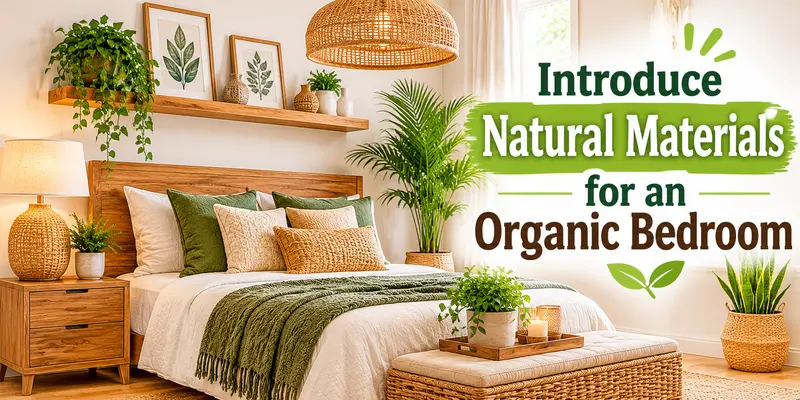
Natural materials can make a bedroom feel warm and connected to the outdoors. Wood, rattan, wicker, linen, cotton, and natural-fiber rugs are useful choices.
For example, a wooden nightstand can complement a neutral bedspread, while a woven basket can provide attractive storage for blankets or laundry.
Plants can also introduce natural color. Choose varieties according to available sunlight and the amount of maintenance you can provide.
You do not need to use natural materials everywhere. A few carefully selected elements can create enough visual interest without changing the entire room.
12. Create a Beautiful Bedroom Accent Wall
An accent wall is an effective way to introduce color, texture, or pattern without decorating every wall.
The wall behind the bed is often a suitable location because it naturally attracts attention. You can use a different paint color, wallpaper, wood paneling, or decorative wall treatment.
For a calm appearance, consider muted green, warm beige, dusty blue, or soft terracotta. If you prefer a dramatic interior, deeper shades such as burgundy, charcoal, or forest green can create a stronger visual effect.
Before choosing a finish, consider your existing furniture, natural light, and room size.
If you are planning a more detailed wall treatment, our guide to home decor items offers additional inspiration for decorative accessories and materials.
13. Try a Minimalist Bedroom Design
Minimalist bedroom decor emphasizes simplicity, functionality, and carefully selected decorative elements.
Start by removing unnecessary furniture and accessories. Keep the bed, storage, and essential lighting, then introduce only a few additional items that contribute to the design.
A simple color palette of white, beige, gray, and natural wood can create a clean appearance. However, minimalism does not mean the room must feel empty or uncomfortable.
Use textured bedding, a simple artwork, a small plant, or an attractive bedside lamp to introduce personality.
The most important principle is to make every item purposeful.
14. Create a Luxury Bedroom With Elegant Details
A luxurious bedroom does not necessarily require an expensive renovation. The overall appearance often depends on materials, proportions, lighting, and the way decorative elements work together.
Consider an upholstered bed, layered bedding, elegant curtains, and coordinated bedside lighting. A large area rug can also help connect the furniture and create a more finished appearance.
Colors such as champagne, cream, taupe, deep brown, and muted gold can create an elegant atmosphere.
You can introduce metallic details through lamps, handles, picture frames, or small decorative accessories. However, avoid using too many shiny finishes because they can make the room feel visually busy.
For additional furniture and styling inspiration, explore Pottery Barn’s bedroom collection.
15. Decorate With Plants and Greenery
Plants can add color, texture, and natural character to a bedroom. They are particularly useful when a room feels too plain or needs a decorative element for an empty corner.
Small plants can be placed on shelves or bedside tables, while larger floor plants can become attractive focal points.
Choose plants according to the amount of natural light available. Also, consider watering requirements, maintenance, and whether a particular plant is suitable for your household.
Decorative planters can help connect greenery with the rest of the interior. Ceramic, woven, and simple neutral-colored pots are versatile choices.

16. Create a Farmhouse-Style Bedroom
Farmhouse bedroom decor combines traditional character with comfortable materials and natural finishes.
Wooden furniture, neutral bedding, simple lighting, and textured fabrics are common elements of this style. You can also introduce vintage-inspired accessories, woven baskets, and subtle decorative patterns.
White, cream, beige, and warm wood tones provide a flexible foundation. Dark metal fixtures can introduce contrast without making the room feel too modern.
However, avoid filling the room with too many rustic accessories. A balanced combination of traditional and contemporary elements often creates a more attractive result.
17. Use Curtains to Improve Bedroom Appearance
Curtains can influence the entire appearance of a bedroom. They provide privacy, control natural light, and introduce another layer of color and texture.
For a soft appearance, consider linen or lightweight curtains. Heavier fabrics can create a more formal look and may be useful when greater light control is required.
Choose curtain colors that complement your bedding and walls. Neutral curtains provide flexibility, while patterned designs can introduce visual interest.
The length and width also matter. Measure your windows before purchasing curtains, and consider how the fabric will hang when fully closed and open.
You can combine sheer curtains with blackout window coverings to balance natural light and privacy.
18. Design a Comfortable Master Bedroom
A master bedroom should provide enough space for comfortable movement, storage, and relaxation.
Start with the bed as the central feature. Choose appropriately sized bedside tables and ensure that doors, wardrobes, and walking paths remain accessible.
If space allows, introduce an accent chair or a small reading area. A bedroom bench can also provide additional seating and a convenient place to organize clothing.
Use a coordinated color palette throughout the room. Bedding, curtains, rugs, artwork, and furniture should complement one another without looking excessively matched.
A combination of layered lighting and practical storage can make the room both attractive and functional.
19. Create a Stylish Guest Bedroom
A guest bedroom should feel welcoming and practical. Even a simple room can become comfortable with a few thoughtful additions.
Start with clean bedding, comfortable pillows, and appropriate lighting. Provide a small surface where guests can place personal belongings, along with accessible storage for clothing.
A bedside lamp, mirror, wastebasket, and a few decorative accessories can improve convenience.
Keep the color scheme relatively neutral so that different guests can feel comfortable in the space.
Avoid overcrowding the room with furniture. Guests generally appreciate clear walking paths and enough space to organize their belongings.
20. Use Budget-Friendly DIY Bedroom Decor
You do not need a large budget to improve your bedroom. Several simple DIY projects can introduce personality without requiring expensive purchases.
For example, you can create a gallery wall using affordable prints and coordinated frames. Old wooden furniture can sometimes be refreshed with suitable paint or new hardware.
You can also change cushion covers, create a decorative arrangement using existing accessories, or introduce a simple fabric headboard.
Before starting any DIY project, consider the tools, materials, and installation requirements. Follow product instructions and use appropriate ventilation when painting or applying finishes.
The U.S. Environmental Protection Agency provides useful guidance on improving indoor air quality, including ventilation during activities such as painting and home maintenance.
21. Decorate Your Bedroom With Artwork and Personal Photographs
Artwork can make a bedroom feel more personal and visually interesting.
Consider framed prints, photographs, paintings, or illustrations that reflect your interests. A large artwork above the bed can become a focal point, while smaller pieces can be arranged into a gallery wall.
Choose artwork that works with the existing color scheme. For example, muted landscape prints can complement a neutral bedroom, while colorful artwork can introduce contrast into a simple interior.
Family photographs and travel memories can also make the room feel more personal.
Keep the arrangement balanced, and avoid displaying too many unrelated images in one area.
22. Create a Boho-Style Bedroom

Bohemian bedroom decor is known for its relaxed atmosphere, layered textiles, natural materials, and creative combinations of patterns.
You can introduce this style through woven wall hangings, patterned bedding, textured cushions, wooden furniture, and decorative plants.
Earthy colors such as terracotta, olive green, cream, and warm brown work particularly well.
A woven rug or rattan accessory can add texture, while soft lighting helps create a comfortable atmosphere.
Boho decor allows more freedom than many other decorating styles. Nevertheless, use a few repeated colors or materials to prevent the room from looking unorganized.
23. Add a Functional Bedroom Reading Corner
A reading corner can make a bedroom more useful without requiring a major redesign.
If space allows, place a comfortable chair near a window or in an unused corner. Add a floor lamp and a small side table for books, a drink, or other personal items.
In smaller bedrooms, a compact chair or floor cushion may be a better option.
Choose fabrics and colors that complement the rest of the room. You can also add a small rug to visually separate the reading area from the sleeping space.
A well-planned reading corner creates a practical area for relaxation while adding another decorative feature.
24. Use Smart Storage to Reduce Bedroom Clutter
Storage is an important part of bedroom design because clutter can make even an attractive room feel uncomfortable.
Start by identifying items that do not need to remain visible. Extra bedding, seasonal clothing, shoes, and accessories can be organized in suitable storage containers.
Under-bed drawers, storage ottomans, wardrobes, baskets, and wall-mounted shelves are useful options.
For smaller rooms, consider furniture that performs more than one function. A storage bench can provide seating and additional space for belongings.
Keep frequently used items accessible, while less frequently used belongings can be stored elsewhere.
The goal is to maintain a bedroom that looks attractive while remaining easy to organize.
25. Give Your Bedroom a Complete Seasonal Refresh
You do not need to redesign your bedroom every year. However, small seasonal changes can make the space feel fresh and comfortable.
During warmer months, lighter bedding, breathable fabrics, and airy curtains may be more suitable. In colder weather, heavier blankets, textured throws, and warmer colors can create a cozier appearance.
You can also update decorative cushions, small accessories, and artwork without replacing major furniture pieces.
If you enjoy following current interior styles, explore our guide to what home decor is trending. It provides broader inspiration that can help you introduce new design elements while maintaining your bedroom’s individual character.
How to Choose the Right Bedroom Decor Style
Choosing a bedroom style becomes easier when you understand your personal preferences and the practical needs of the room.
First, consider the atmosphere you want to create. A minimalist bedroom may suit someone who prefers a clean and simple environment, while a bohemian bedroom may appeal to someone who enjoys layered fabrics and natural materials.
Next, consider the room’s dimensions, natural lighting, and existing furniture. A style that looks beautiful in a large interior may require adjustments in a smaller bedroom.
It is also useful to create a simple inspiration board before purchasing anything. Collect photographs, color combinations, furniture examples, and fabric ideas that appeal to you.
Finally, establish a realistic budget. You can complete the project gradually, starting with the elements that will make the biggest difference.
Common Bedroom Decorating Mistakes to Avoid
Even attractive furniture and accessories can produce an unbalanced result when they are not selected carefully.
One common mistake is buying furniture without measuring the available space. Oversized beds, dressers, or nightstands can restrict movement and make the room feel crowded.
Another mistake is using too many unrelated colors and patterns. Although contrast can make a bedroom interesting, a coordinated palette generally creates a more organized appearance.
Poor lighting is another issue. Relying entirely on one ceiling fixture can make a bedroom feel flat, especially during the evening.
Additionally, avoid placing decorative accessories on every available surface. Empty space is an important part of good design because it allows the main features to stand out.
Finally, do not choose appearance over comfort. A bedroom should remain practical and enjoyable to use, not simply look attractive in photographs.
Final Thoughts
The best bedroom decor ideas are those that combine comfort, personal style, and practical functionality. You do not need expensive furniture or a complete renovation to create an attractive sleeping space.
Start with a suitable color palette, choose furniture that fits the room, and introduce comfortable bedding and layered lighting. Then add artwork, mirrors, plants, shelves, and other decorative elements that reflect your preferences.
Whether you prefer a modern, minimalist, farmhouse, bohemian, or luxurious appearance, small improvements can make a meaningful difference.
Most importantly, decorate gradually and choose elements that suit your lifestyle. A well-designed bedroom should not only look beautiful but also provide a comfortable and welcoming place to relax every day.
Frequently Asked Questions
What are the best bedroom decor ideas for a modern home?
Some popular choices include neutral color schemes, upholstered headboards, minimalist furniture, layered lighting, decorative wall art, and comfortable bedding. Combining clean lines with natural textures can create a modern and welcoming bedroom.
How can I decorate my bedroom on a small budget?
Start by rearranging existing furniture and removing unnecessary clutter. Then consider affordable improvements such as new cushion covers, curtains, wall art, bedside lamps, plants, or decorative accessories. DIY projects can also refresh the room without requiring expensive purchases.
How can I make a small bedroom look bigger?
Use appropriately sized furniture, maintain clear walking paths, and consider mirrors to reflect natural light. Wall-mounted shelves, under-bed storage, and lighter visual elements can also help create a more open appearance.
What colors are best for bedroom decor?
Popular choices include warm white, beige, cream, soft gray, muted green, and dusty blue. The best color depends on your preferred atmosphere, natural lighting, furniture, and personal taste.
How do I make my bedroom feel cozy?
Use soft bedding, layered textiles, warm lighting, comfortable rugs, and coordinated colors. You can also introduce plants, curtains, and a few personal accessories to make the space feel more inviting.
What should I put above my bed?

Common choices include framed artwork, a decorative mirror, a suitable wall hanging, or a statement headboard. Choose an item that complements the bed and the overall room design, and make sure anything mounted above the bed is securely installed.
How often should I update my bedroom decor?
There is no fixed schedule. Small seasonal changes can refresh the room, while larger updates are usually worthwhile when your needs, furniture, or decorating preferences change.
Are neutral bedroom colors still popular?
Yes. Neutral colors remain versatile because they work with different furniture styles, textiles, and decorative accessories. Warm neutrals such as cream, taupe, and beige can create a particularly comfortable appearance.
How can I decorate a bedroom without buying new furniture?
Rearrange existing furniture, change the bedding, update cushion covers, introduce artwork, reposition mirrors, and use accessories you already own. These changes can improve the appearance of a bedroom without replacing major items.
What is the easiest way to give a bedroom a makeover?
Start with the bed, lighting, and color scheme because these elements have a significant visual impact. Declutter the room, improve the furniture arrangement, and introduce a few coordinated accessories for a refreshed appearance.






- Be Respectful
- Stay Relevant
- Stay Positive
- True Feedback
- Encourage Discussion
- Avoid Spamming
- No Fake News
- Don't Copy-Paste
- No Personal Attacks
- Be Respectful
- Stay Relevant
- Stay Positive
- True Feedback
- Encourage Discussion
- Avoid Spamming
- No Fake News
- Don't Copy-Paste
- No Personal Attacks
