Room Decor: 25 Creative Ideas to Transform Every Room in Your Home
Published: 07 Nov 2026
Room decor plays an important role in making a house feel comfortable, attractive, and personal. The right combination of furniture, colors, lighting, textures, and decorative accessories can transform an ordinary space into a welcoming environment. Whether you live in a spacious house, a small apartment, or a modern family home, thoughtful room decor can help you create interiors that reflect your personality and support your everyday lifestyle.
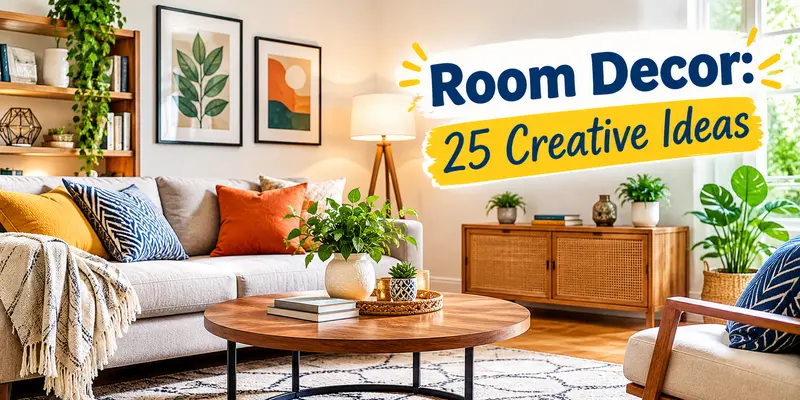
Decorating a room does not necessarily require expensive furniture, professional designers, or major renovations. Sometimes, changing the furniture arrangement, adding suitable lighting, introducing a new color combination, or selecting a few meaningful accessories can make a noticeable difference. The key is to understand the purpose of each room and choose decorative elements that work together.
Every room has different requirements. A living room should provide comfortable seating and encourage conversation, while a bedroom should feel relaxing and private. Similarly, a dining room needs a practical arrangement, and a home office should support concentration and productivity.
This guide explores 25 creative room decor ideas for different spaces in your home. You will also learn how to choose colors, arrange furniture, use lighting, decorate small rooms, and avoid common decorating mistakes.
Guide to explores 25 creative room decor ideas for different spaces in your home
1. Choose a Consistent Decorating Style
Before purchasing furniture or decorative accessories, decide what overall style you want to achieve. A consistent decorating direction helps different elements work together and prevents your room from looking disorganized.
Modern, traditional, minimalist, farmhouse, Scandinavian, industrial, and bohemian styles are popular choices. Each has its own combination of furniture shapes, materials, colors, and decorative details.
For example, modern room decor often features clean lines, simple furniture, neutral colors, and uncluttered surfaces. Farmhouse interiors may include natural wood, comfortable fabrics, rustic accessories, and warm colors. Scandinavian interiors generally emphasize simplicity, natural materials, practical furniture, and bright spaces.
You do not have to follow one style strictly. Combining elements from different styles can create an interesting interior, provided there is a connection between the colors, finishes, proportions, or materials.
Start by collecting pictures of rooms you like. Identify the features they share, such as wooden furniture, neutral walls, colorful artwork, or soft lighting. These common elements can help you develop a decorating direction before spending money.
2. Create an Attractive Living Room
The living room is often one of the most frequently used spaces in a home. It may serve as a place for relaxing, entertaining guests, watching television, reading, or spending time with family.
Begin with the main seating arrangement. Choose a sofa and chairs that fit the available space without blocking doors, windows, or walking paths. Position the seating around a natural focal point, such as a fireplace, television, large window, or attractive piece of artwork.
An area rug can help connect the furniture and visually define the seating zone. Select a size that relates to the furniture rather than using a very small rug that appears disconnected.
Add cushions and throws to introduce texture and color. You can combine different fabrics and patterns while keeping a few colors consistent. A coffee table, floor lamp, and carefully selected accessories can complete the arrangement.
Avoid filling every available surface with decorative objects. A balanced living room should have enough open space for comfortable movement and everyday activities.
For more general decorating inspiration, explore our guide to Home Decor Ideas.
3. Make Your Bedroom Feel Relaxing
Bedroom decor should support comfort, relaxation, and personal expression. Since the bed usually occupies the largest portion of the room, it is a natural starting point.
Choose bedding that complements the wall color, flooring, curtains, and furniture. Neutral shades such as cream, beige, white, and soft gray can create a calm atmosphere. If you prefer stronger colors, introduce them through cushions, blankets, artwork, or an accent wall.
Bedside tables provide useful space for lamps, books, and small personal items. Matching tables can create symmetry, while different designs can add character when their proportions and finishes complement each other.
Consider using soft lighting rather than relying entirely on a bright ceiling fixture. Bedside lamps, wall lights, or dimmable fixtures can make the room more comfortable in the evening.
Keep the bedroom organized by using practical storage solutions. Under-bed storage, wardrobes, baskets, and drawers can help reduce visible clutter.
4. Use Color to Give Each Room Character
Color can influence how a room looks and feels. It can create contrast, highlight architectural features, and connect furniture with decorative accessories.
Start with the existing elements you plan to keep, including flooring, large furniture, curtains, and cabinetry. Choose a dominant color that works with these features, then introduce secondary and accent colors.
Neutral palettes provide flexibility because they can accommodate different furniture styles and decorative accessories. However, neutral does not have to mean boring. Different shades, materials, and textures can add depth.
If you enjoy stronger colors, consider using them on one accent wall or through smaller decorative elements. Deep green, navy, terracotta, muted blue, and warm earthy shades can add personality without overwhelming the entire room.
Before painting, test color samples on the wall. Observe them at different times of the day because natural and artificial lighting can change how a color appears.
5. Improve Room Decor With Layered Lighting
Lighting is both a practical requirement and an important decorative feature. A well-lit room should provide suitable illumination for everyday activities while creating a comfortable atmosphere.
Consider three main lighting functions:
- Ambient lighting provides general illumination through ceiling fixtures, recessed lights, or other central sources.
- Task lighting supports specific activities such as reading, cooking, working, or studying.
- Accent lighting highlights artwork, shelves, architectural details, and decorative features.
A living room may benefit from a ceiling fixture combined with table lamps and floor lamps. A bedroom can use bedside lighting for reading and softer illumination for relaxation. A home office needs suitable task lighting to support work.
Choose fixtures that complement the room’s furniture and overall style. Pendant lights, wall sconces, table lamps, and floor lamps can all contribute to the appearance of an interior.
Whenever possible, use separate switches or dimmers to adjust lighting for different activities.
6. Add Wall Art and Personal Displays
Bare walls can make a room feel unfinished. Artwork, framed photographs, decorative mirrors, and carefully arranged wall displays can introduce personality and visual interest.
Choose artwork that relates to your preferred colors, interests, or decorating style. A large print above a sofa can become a focal point, while a gallery wall can display several photographs or illustrations together.
Pay attention to scale. A very small frame may look disconnected above a large sofa, while oversized artwork can dominate a narrow wall.
You can also use floating shelves to display books, small plants, ceramics, and meaningful objects.
For more inspiration, see our detailed guide to Wall Decor Ideas.
7. Decorate Small Rooms With Smart Choices
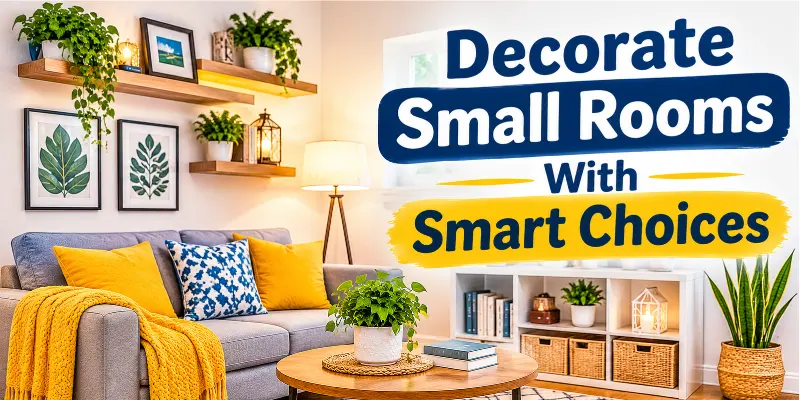
Small rooms require careful planning because every piece of furniture and every decorative item affects the available space.
Start by identifying the essential furniture. Avoid purchasing oversized pieces that leave little room for movement. Choose furniture with practical proportions and consider multifunctional designs, such as storage ottomans, nesting tables, and beds with built-in drawers.
Use vertical space for storage and decoration. Wall-mounted shelves, tall bookcases, and hooks can help keep the floor clear.
Mirrors can also make a small room feel visually more open, particularly when they reflect natural light or an attractive part of the interior.
Keep the color palette relatively coordinated and avoid adding too many competing patterns. This does not mean every small room must be white. Soft colors, thoughtful contrast, and suitable lighting can create an attractive space without making it feel crowded.
8. Bring Natural Elements Indoors
Natural materials can make interiors feel warm and inviting. Wood, stone, cotton, linen, jute, rattan, and other natural-looking finishes introduce texture and visual variety.
Indoor plants are another way to bring nature into a room. Select plants according to the available sunlight, humidity, space, and maintenance requirements.
A large floor plant can fill an empty corner, while smaller plants can decorate shelves, windowsills, and tables. Decorative planters can also complement the room’s color scheme.
If you prefer low-maintenance decoration, consider suitable artificial plants or natural materials that do not require regular care.
9. Create a Welcoming Dining Room
A dining room should feel comfortable while providing enough space for people to sit, eat, and move around.
Choose a dining table that fits the room and the number of people who regularly use it. Make sure chairs can be pulled out without creating unnecessary obstacles.
A pendant light above the dining table can create a visual focal point. Select a fixture that suits the table size and overall interior style.
A centerpiece can add character, but it should not interfere with conversation or block people’s view. A vase, small plant arrangement, decorative bowl, or simple table runner may be sufficient.
Wall artwork, coordinated chairs, and attractive tableware can complete the design without making the space feel overly formal.
10. Give Your Home Office a Functional Look
A home office should balance appearance and productivity. Its layout needs to support work while remaining comfortable and organized.
Start with a desk and chair that fit the available space. Position the desk where you can benefit from natural light without creating distracting glare on your computer screen.
Add a suitable desk lamp for focused work. Shelving, drawers, and organizers can keep documents and supplies within reach while reducing clutter.
You can personalize the space with artwork, framed photographs, a small plant, or a decorative desk accessory. However, avoid placing too many objects around your work area.
If the office is part of a bedroom or living room, use a rug, bookcase, or furniture arrangement to distinguish the work zone from the rest of the room.
11. Use Mirrors to Add Depth and Light
Mirrors are versatile decorative features that can work in living rooms, bedrooms, entryways, and dining areas.
A large mirror can create a strong focal point, while smaller decorative mirrors can contribute to a gallery-style wall arrangement.
Think carefully about placement. A mirror that reflects a window can help distribute natural light throughout a space. One positioned to reflect artwork or an attractive architectural feature can also make that feature more noticeable.
Choose a frame that complements the surrounding furniture and finishes. Wooden frames can add warmth, while metal or frameless designs may suit more contemporary interiors.
12. Select Curtains That Complement the Room
Curtains contribute to privacy, light control, and the overall appearance of a room.
Consider the room’s existing colors and furniture before selecting curtain fabric. Neutral curtains are versatile, while patterned or darker designs can introduce contrast.
Light-filtering fabrics may work well in living spaces where you want natural daylight without direct glare. Blackout curtains can be useful in bedrooms where reducing outside light is important.
The length and hanging position also matter. Curtains that are too short may look disconnected from the rest of the interior. Properly fitted curtains can make windows feel more balanced and the room more finished.
13. Choose Furniture That Fits the Space
Furniture should support the room’s purpose and fit its dimensions. Attractive furniture will not improve a room if it blocks movement or makes the space uncomfortable.
Measure the room before purchasing major pieces. Include doors, windows, radiators, closets, and other fixed features in your measurements.
Place the largest furniture items first. In a living room, this may be the sofa. In a bedroom, it is usually the bed. Arrange smaller pieces around these priority items.
Think about the focal point and traffic flow. People should be able to move naturally through the room without constantly walking around furniture.
For additional guidance, see How to Arrange Furniture from Lowe’s.
14. Create a Decorative Entryway
The entryway introduces visitors to your home, so even a small entrance deserves attention.
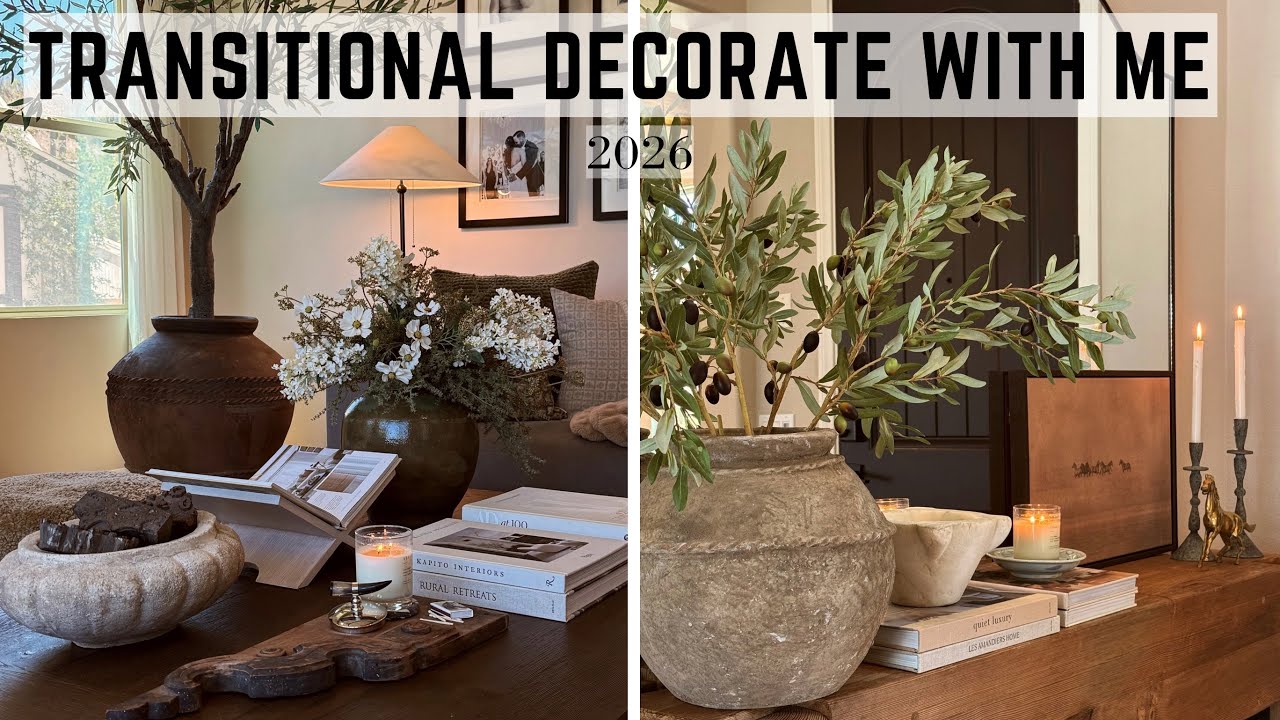
A narrow console table, wall mirror, decorative hooks, or small bench can make the area more useful and attractive.
Use a tray or basket to organize keys, mail, and everyday belongings. If the space is limited, wall-mounted storage can help preserve floor space.
A small rug can define the entrance, while suitable lighting makes the area feel welcoming.
Keep the entryway practical. Avoid placing large decorative pieces where they interfere with opening doors or walking into the home.
15. Use Textures to Make Interiors More Interesting
Texture adds depth to a room and prevents different surfaces from looking too similar.
Combine smooth furniture with softer textiles, woven accessories, natural wood, and textured fabrics. For example, a simple sofa can look more inviting with cushions made from different materials.
Bedrooms can benefit from layered bedding, rugs, and curtains. Living rooms can use textured cushions, throws, upholstery, and decorative baskets.
Try to maintain a balance. Too many competing textures can make a room feel visually busy, particularly when combined with numerous patterns and colors.
16. Style Shelves Without Creating Clutter
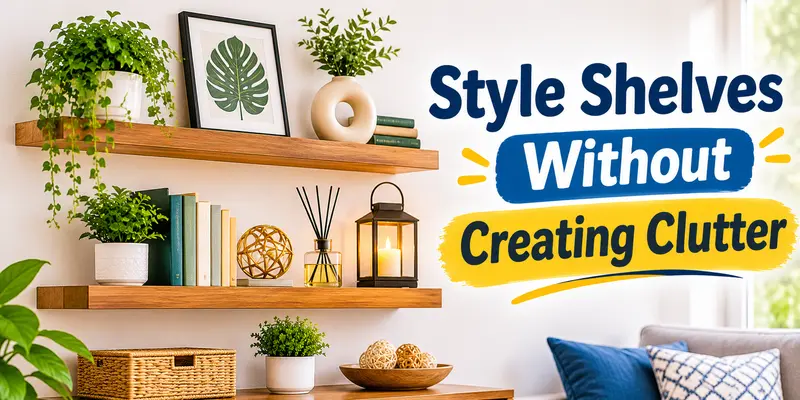
Shelves can provide both storage and decorative opportunities.
Begin by deciding what the shelves need to hold. Books, photographs, plants, ceramics, and meaningful objects can all contribute to an attractive display.
Vary the height and shape of objects rather than placing everything in a straight line. Combine larger pieces with smaller accessories and leave some empty space between groups.
You can also use storage boxes or baskets to hide smaller items that do not need to remain visible.
The best shelf arrangements are not necessarily the fullest. A carefully edited display often looks more intentional.
17. Choose an Area Rug That Connects the Furniture
An area rug can define a seating zone, introduce color, and make a room feel more comfortable.
Choose a rug size according to the furniture arrangement. In a living room, the rug should visually connect the main seating pieces. In a bedroom, it can provide a softer surface around the bed.
Consider the material and maintenance requirements before buying. High-traffic areas may need durable, easy-to-clean materials, while bedrooms may benefit from softer textures.
A rug does not have to match every other element exactly. It should complement the overall palette and contribute to the room’s visual balance.
18. Add Decorative Storage
Storage does not need to look purely functional. Baskets, attractive boxes, storage benches, cabinets, and ottomans can help organize everyday items while contributing to the interior design.
Use storage solutions according to the room’s needs. A living room may benefit from a storage ottoman for blankets, while a bedroom can use under-bed containers for seasonal clothing.
In a home office, decorative boxes can organize stationery and cables. In an entryway, baskets can hold shoes, accessories, or other everyday belongings.
Choose finishes and materials that complement the existing furniture.
19. Personalize Your Room With Meaningful Accessories
A well-decorated room should reflect the people who use it. Personal accessories can make an interior feel more authentic than a space filled entirely with generic decorations.
Display family photographs, travel souvenirs, books, handmade items, collections, or objects with personal meaning.
You can arrange these items on shelves, consoles, bedside tables, or selected wall areas. Grouping related objects can create a more organized display.
Avoid displaying everything at once. Select a few meaningful pieces and rotate them occasionally to keep the room interesting.
20. Decorate With Indoor Plants
Indoor plants can introduce natural color and help soften the appearance of furniture, shelves, and empty corners.
Consider the amount of light available before selecting plants. Some varieties need bright indirect light, while others can tolerate lower-light conditions.
Use different planter styles to complement the interior. Ceramic planters may suit modern spaces, while woven baskets can work well with natural or relaxed decorating styles.
Avoid placing plants where they obstruct pathways or create maintenance problems. Always consider the specific care requirements of the plant you select.
21. Create a Comfortable Reading Corner
A reading corner can make an unused part of a room more functional.
Choose a comfortable chair, a small side table, and a suitable reading lamp. A soft rug or throw can make the area feel more inviting.
Position the chair near a window if natural light is available. Otherwise, use focused lighting that provides enough illumination for reading.
A small bookshelf or wall-mounted shelves can keep favorite books nearby. Keep accessories limited so the corner remains comfortable and practical.
22. Refresh the Bathroom With Simple Decorative Details
Bathroom decor should combine appearance, storage, and everyday practicality.
Coordinated towels, a suitable mirror, attractive soap dispensers, storage baskets, and well-chosen accessories can improve the appearance without requiring a full renovation.
Choose materials that are suitable for humid environments. Decorative items should not interfere with ventilation, cleaning, or access to essential bathroom fixtures.
Keep countertops organized and store frequently used products where they are easy to reach.
23. Give Your Kitchen a Coordinated Appearance
A kitchen needs to remain practical, but it can still have a distinctive decorative style.
Consider coordinating cabinet hardware, lighting fixtures, backsplash colors, and small accessories. Wooden boards, ceramic containers, attractive glassware, and suitable textiles can introduce decorative details.
Open shelves can display selected kitchen items, but avoid overcrowding them. Keep frequently used cooking tools accessible and maintain clear preparation surfaces.
The most successful kitchen decor supports the way the household actually cooks, cleans, and stores food.
24. Update Room Decor Without a Major Renovation
You do not always need to replace furniture or repaint every wall to change the appearance of a room.
Start by identifying the features that make the space feel outdated or uncomfortable. You might need better lighting, a more suitable furniture arrangement, coordinated curtains, or fewer decorative objects.
Try moving furniture between rooms if the pieces are suitable. Replace old cushion covers, introduce a new rug, change artwork, or update a lampshade.
Small changes can create a noticeable difference when they address a specific problem.
If you want to explore broader design directions, read our guide to What Home Decor Is Trending.
25. Keep Your Decorating Budget Under Control
A decorating budget helps you make better decisions and avoid unnecessary purchases.
Begin with a list of priorities. Identify which changes will improve the room most and which items can wait.
Spend more attention on major functional pieces that receive regular use, such as sofas, beds, chairs, and desks. Decorative accessories can often be introduced gradually.
Compare materials, dimensions, maintenance requirements, and quality before buying. Avoid purchasing something simply because it is popular or looks attractive in a product photograph.
You can also explore existing Home Decor Items to understand how accessories can contribute to different room styles.
A thoughtful plan can help you create attractive interiors without exceeding your available budget.
Common Room Decor Mistakes to Avoid
Even attractive furniture and accessories can look out of place when they are not selected or arranged carefully. Avoid these common mistakes when decorating your home.
Choosing furniture without measuring: Large furniture can make a small room feel crowded. Measure the available space and consider walking paths before purchasing.
Using too many colors: An excessive number of unrelated colors can make an interior feel disorganized. Choose a coordinated palette and introduce additional shades gradually.
Ignoring lighting: One central ceiling light may not provide suitable illumination for every activity. Combine ambient, task, and accent lighting where appropriate.
Filling every empty surface: Too many decorative objects can make a room feel cluttered. Leave some open space so important elements can stand out.
Following every design trend: Trends change, but major furniture purchases can remain in your home for years. Choose styles that suit your lifestyle rather than replacing everything whenever a new trend appears.
Blocking natural movement: Furniture should not obstruct doorways, windows, or frequently used pathways. Arrange pieces according to how people move through the room.
Ignoring functionality: Decoration should make a room more comfortable and attractive without reducing its usefulness. Always consider how the space will be used.
Frequently Asked Questions About Room Decor
What is the best way to decorate a room?
Start by understanding the room’s purpose, measuring the available space, and selecting a decorating style. Choose suitable furniture, establish a coordinated color palette, improve lighting, and add accessories gradually. Leave enough open space for comfortable movement.
How can I make my room look beautiful on a small budget?
Rearrange existing furniture, remove unnecessary clutter, refresh cushion covers, introduce affordable lighting, and use artwork or plants to add personality. You can also repurpose accessories from other rooms instead of purchasing everything new.
What are the most important elements of room decor?
The most important elements include furniture, color, lighting, textiles, wall decoration, storage, and accessories. Their proportions and arrangement should work together to support the room’s purpose.
How can I decorate a small bedroom?
Choose appropriately sized furniture, use vertical storage, keep pathways clear, and avoid excessive decorative accessories. Mirrors, coordinated colors, and suitable lighting can help the space feel more open and comfortable.
How do I choose the right color for my room?
Consider the room’s natural light, existing furniture, flooring, and personal preferences. Test paint samples before making a final decision, and observe how they look during daylight and evening lighting.
Should every room in a house have the same decorating style?
No. Different rooms can have different personalities and color combinations. However, repeating certain materials, finishes, or design elements can help create a connection throughout the home.
What accessories make a room look more attractive?
Artwork, mirrors, cushions, rugs, curtains, plants, decorative lamps, vases, and meaningful personal objects can improve a room’s appearance. Select accessories according to the available space and existing decorating style.
How often should I update my room decor?
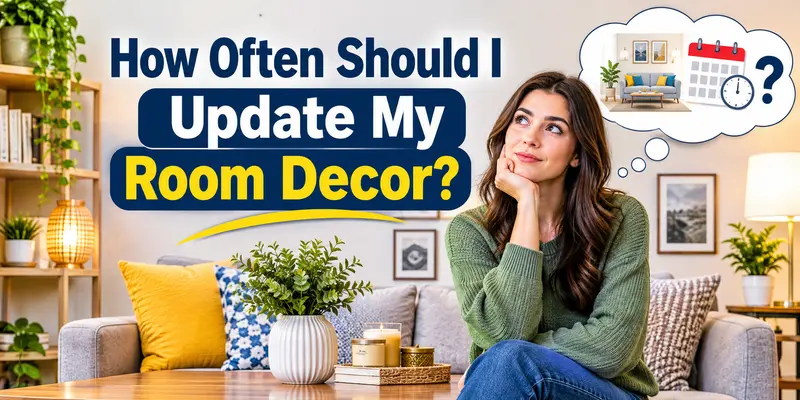
There is no fixed schedule. You can update your room whenever your needs, preferences, or lifestyle change. Small seasonal adjustments, such as changing cushion covers or decorative accessories, can refresh an interior without requiring a complete redesign.
Final Thoughts
Good room decor is not about filling every corner with expensive furniture or fashionable accessories. It is about creating spaces that look attractive, feel comfortable, and support everyday activities.
Start with the purpose of each room, choose furniture that fits the available space, and develop a coordinated color scheme. Then introduce suitable lighting, textures, artwork, rugs, plants, and personal accessories to complete the design.
Whether you are decorating a living room, bedroom, dining area, home office, or small apartment, thoughtful choices can make a significant difference. Take your time, work within your budget, and select elements that reflect your personality.
The best room decor is ultimately the kind that makes your home feel welcoming, functional, and genuinely yours.





- Be Respectful
- Stay Relevant
- Stay Positive
- True Feedback
- Encourage Discussion
- Avoid Spamming
- No Fake News
- Don't Copy-Paste
- No Personal Attacks
- Be Respectful
- Stay Relevant
- Stay Positive
- True Feedback
- Encourage Discussion
- Avoid Spamming
- No Fake News
- Don't Copy-Paste
- No Personal Attacks
