Types, Sources and Effects of Pollution: A Complete Guide to Environmental Impact and Solutions
Published: 14 Jun 2026
Introduction
Pollution is one of the most serious environmental challenges facing the modern world. Rapid industrialization, urban growth, increasing population, and excessive consumption of natural resources have significantly increased pollution levels across the globe. Understanding the types sources and effects of pollution is essential for creating healthier communities, protecting ecosystems, and ensuring sustainable development. The article What Types of Outdoor Activities Can Be Impacted by Pollution furnishes much relevant stuff regarding pollution and it’s effects.
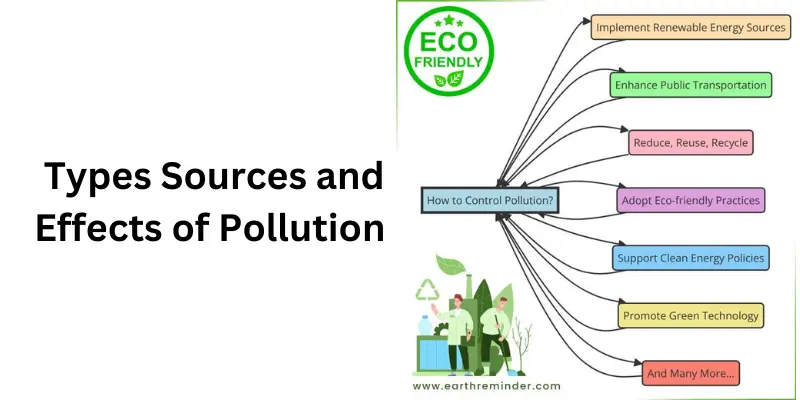
Pollution occurs when harmful substances contaminate the environment and negatively affect living organisms, natural resources, and ecological balance. These contaminants may be solid, liquid, gaseous, or even forms of energy such as noise, heat, and radiation.
This comprehensive guide explores the major types sources and effects of pollution, examines how pollution impacts human health and the environment, and discusses practical solutions that individuals, businesses, and governments can implement.
What Is Pollution
Pollution refers to the introduction of harmful substances or energy into the environment at levels that cause adverse effects. Pollutants may originate from natural events such as volcanic eruptions, but most modern pollution results from human activities.
The severity of pollution depends on several factors:
- Type of pollutant
- Concentration level
- Duration of exposure
- Environmental conditions
- Vulnerability of affected populations
Pollution affects air, water, soil, wildlife, and human health. It also contributes to climate change, biodiversity loss, and economic damage.
Understanding the Types Sources and Effects of Pollution
The types sources and effects of pollution vary depending on the medium being contaminated. Environmental experts generally classify pollution into several major categories.
Air Pollution
Air pollution occurs when harmful gases, chemicals, and particulate matter enter the atmosphere.
Common pollutants include:
- Carbon monoxide
- Sulfur dioxide
- Nitrogen oxides
- Ground-level ozone
- Particulate matter
- Volatile organic compounds
Air pollution is particularly severe in densely populated urban areas where traffic, industrial activities, and energy production generate large amounts of emissions.
Water Pollution
Water pollution occurs when contaminants enter rivers, lakes, oceans, groundwater, and other water bodies.
Water pollution threatens drinking water supplies and damages aquatic ecosystems. Polluted water often contains toxic chemicals, pathogens, and waste materials that can harm humans and wildlife.
Soil Pollution
Soil pollution involves contamination of land by harmful chemicals, industrial waste, pesticides, and heavy metals.
Contaminated soil can reduce agricultural productivity and introduce toxins into the food chain.
Noise Pollution
Noise pollution refers to excessive or unwanted sound that disrupts normal activities and affects health.
Common sources include:
- Road traffic
- Construction sites
- Airports
- Industrial machinery
- Entertainment venues
Light Pollution
Light pollution results from excessive artificial lighting, especially in urban environments.
This form of pollution affects wildlife behavior, disrupts ecosystems, and interferes with human sleep patterns.
Thermal Pollution
Thermal pollution occurs when industries discharge heated water into rivers, lakes, or oceans.
Changes in water temperature can reduce oxygen levels and threaten aquatic life.
Radioactive Pollution
Radioactive pollution results from nuclear accidents, improper disposal of radioactive waste, and certain industrial activities.
Exposure to radiation can lead to severe health consequences and long-term environmental damage.
Major Sources of Pollution
Understanding pollution sources helps identify effective prevention and control measures.
Industrial Activities
Factories and manufacturing plants are among the largest contributors to pollution.
Industrial processes release:
- Toxic gases
- Chemical waste
- Heavy metals
- Industrial wastewater
Many industries consume large quantities of fossil fuels, increasing greenhouse gas emissions.
Transportation
Cars, trucks, buses, ships, and airplanes contribute significantly to air pollution.
Vehicle emissions contain:
- Carbon dioxide
- Nitrogen oxides
- Carbon monoxide
- Fine particulate matter
Traffic congestion further increases pollution levels.
Agricultural Practices
Modern agriculture contributes to pollution through:
- Chemical fertilizers
- Pesticides
- Herbicides
- Livestock waste
Runoff from farms often carries pollutants into nearby water bodies.
Household Activities
Everyday household activities generate pollution.
Examples include:
- Plastic waste disposal
- Use of chemical cleaners
- Burning fuels for cooking
- Energy consumption
Improper waste management can increase environmental contamination.
Construction Activities
Construction projects generate dust, noise, and waste materials.
Heavy equipment and machinery also contribute to air pollution through fuel combustion.
Mining Operations
Mining activities disturb ecosystems and release contaminants into air, soil, and water.
Heavy metals from mining sites can remain in the environment for decades.
Deforestation
Deforestation contributes indirectly to pollution by reducing the planet’s natural ability to absorb carbon dioxide.
Loss of forests increases soil erosion and decreases air quality.
Effects of Air Pollution
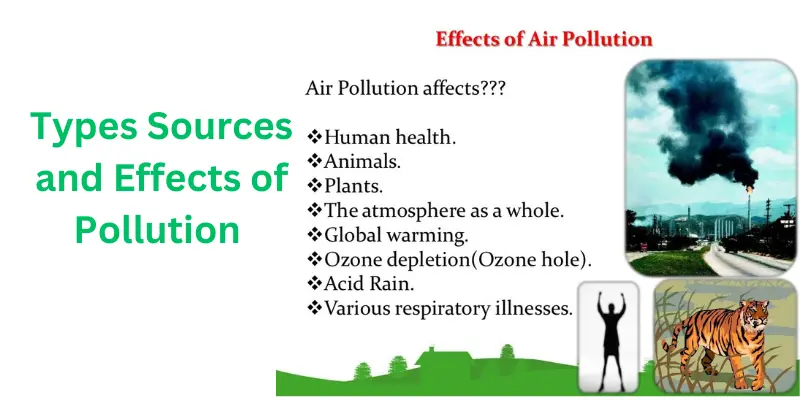
Among all types sources and effects of pollution, air pollution has some of the most immediate consequences for human health.
Respiratory Diseases
Air pollution increases the risk of:
- Asthma
- Bronchitis
- Chronic obstructive pulmonary disease
- Lung cancer
Fine particulate matter can penetrate deep into the lungs and bloodstream.
Cardiovascular Problems
Exposure to polluted air increases the likelihood of:
- Heart attacks
- High blood pressure
- Stroke
- Heart disease
Reduced Life Expectancy
Long-term exposure to polluted air can significantly shorten lifespan and reduce quality of life.
Environmental Damage
Air pollution contributes to:
- Acid rain
- Forest degradation
- Climate change
- Reduced crop yields
Effects of Water Pollution
Water pollution creates severe environmental and health challenges.
Health Risks
Contaminated water can spread diseases such as:
- Cholera
- Typhoid
- Dysentery
- Hepatitis
Millions of people worldwide still lack access to safe drinking water.
Damage to Aquatic Ecosystems
Water pollution harms:
- Fish populations
- Coral reefs
- Aquatic plants
- Marine mammals
Toxic chemicals accumulate in aquatic food chains.
Economic Consequences
Polluted water affects industries including:
- Tourism
- Fisheries
- Agriculture
- Recreation
Communities often spend significant resources on water treatment.
Effects of Soil Pollution
Soil pollution impacts food production and ecosystem health.
Reduced Agricultural Productivity
Contaminated soil can lower crop yields and reduce soil fertility.
Farmers may experience significant financial losses.
Food Contamination
Plants absorb harmful substances from polluted soil.
These contaminants may eventually enter the human food supply.
Loss of Biodiversity
Healthy soil supports numerous organisms.
Pollution disrupts soil ecosystems and reduces biodiversity.
Effects of Noise Pollution
Noise pollution often receives less attention than other forms of pollution but can seriously affect human well-being.
Hearing Damage
Long-term exposure to loud sounds can cause permanent hearing loss.
Sleep Disturbances
Noise pollution interferes with sleep quality and recovery.
Mental Health Issues
Excessive noise may contribute to:
- Stress
- Anxiety
- Irritability
- Reduced concentration
Reduced Productivity
Noisy environments can negatively affect workplace performance and learning outcomes.
Effects of Plastic Pollution
Plastic pollution has become one of the fastest-growing environmental concerns.
Marine Pollution
Millions of tons of plastic enter oceans annually.
Marine animals often ingest plastic debris or become entangled in waste.
Microplastic Contamination
Plastic breaks into tiny particles known as microplastics.
These particles are now found in water, food, and even human tissues.
Wildlife Threats
Plastic pollution harms birds, fish, mammals, and countless other species.
Effects of Pollution on Climate Change
The connection between the types sources and effects of pollution and climate change is increasingly evident.
Greenhouse gases generated by pollution include:
- Carbon dioxide
- Methane
- Nitrous oxide
These gases trap heat in the atmosphere and contribute to:
- Rising global temperatures
- Extreme weather events
- Melting glaciers
- Sea level rise
Climate change further intensifies environmental challenges worldwide.
Economic Effects of Pollution
Pollution creates significant financial burdens.
Healthcare Costs
Governments and individuals spend billions treating pollution-related illnesses.
Reduced Productivity
Poor health leads to absenteeism and lower workplace performance.
Environmental Restoration Costs
Cleaning polluted rivers, lakes, and land requires substantial investment.
Agricultural Losses
Pollution damages crops and reduces agricultural efficiency.
How Pollution Affects Homes and Communities
For homeowners, pollution can directly impact property value and quality of life.
Common issues include:
- Poor outdoor air quality
- Contaminated water supplies
- Excessive noise
- Dust accumulation
- Mold growth linked to environmental conditions
Communities with high pollution levels often experience increased health risks and infrastructure challenges.
Effective Solutions to Reduce Pollution
Addressing the types sources and effects of pollution requires cooperation among governments, industries, and individuals.
Adopt Renewable Energy
Solar, wind, and hydropower reduce dependence on fossil fuels.
Improve Public Transportation
Efficient public transit systems reduce vehicle emissions.
Enhance Waste Management
Recycling and proper waste disposal help minimize pollution.
Promote Sustainable Agriculture
Eco-friendly farming methods reduce chemical contamination.
Increase Green Spaces
Trees and vegetation improve air quality and absorb carbon dioxide.
Strengthen Environmental Regulations
Governments play a crucial role in controlling pollution through policies and enforcement.
Reduce Plastic Consumption
Reusable alternatives can significantly decrease plastic waste.
Conserve Energy
Energy-efficient appliances and practices lower pollution levels.
Individual Actions That Make a Difference
Every person can contribute to pollution reduction.
Practical steps include:
- Using reusable bags and bottles
- Conserving electricity
- Recycling household waste
- Walking or cycling when possible
- Planting trees
- Choosing environmentally friendly products
Small actions performed consistently can create meaningful environmental improvements.
Pollution and Climate Change Relationship
The relationship between pollution and climate change is one of the most significant environmental concerns today. Understanding the types sources and effects of pollution helps explain how human activities contribute to global warming and environmental degradation.
Air pollution releases greenhouse gases such as carbon dioxide, methane, and nitrous oxide into the atmosphere. These gases trap heat, causing temperatures to rise worldwide. Industrial emissions, transportation systems, and fossil fuel consumption remain major contributors.
Climate change intensifies pollution problems by increasing wildfires, droughts, and extreme weather events. These conditions worsen air quality and place additional stress on ecosystems. The types sources and effects of pollution and climate change are deeply interconnected, requiring coordinated global action to address both challenges.
Microplastic Pollution in Oceans
Microplastic pollution has emerged as a major environmental threat affecting marine ecosystems worldwide. Microplastics are tiny plastic particles less than five millimeters in size that originate from larger plastic waste, synthetic textiles, and industrial products.
These particles contaminate oceans, rivers, and coastal environments. Marine animals often mistake microplastics for food, leading to digestive problems, starvation, and death. Scientists have discovered microplastics in fish, shellfish, and even drinking water.
The types sources and effects of pollution become more concerning as microplastics move through the food chain, potentially affecting human health and biodiversity.
Electronic Waste Pollution and Disposal Methods
Electronic waste, commonly known as e-waste, includes discarded smartphones, computers, televisions, batteries, and household electronics. Rapid technological advancement has increased e-waste generation globally.
Improper disposal releases hazardous substances such as lead, mercury, cadmium, and arsenic into soil and water systems. These toxic materials pose risks to human health and environmental quality.
Effective disposal methods include:
- Certified e-waste recycling programs
- Manufacturer take-back initiatives
- Refurbishment and reuse programs
- Safe recovery of valuable metals
- Environmentally responsible disposal facilities
Managing e-waste is critical when addressing the types sources and effects of pollution in modern societies.
Green Building Practices for Pollution Reduction
Green building practices help minimize environmental pollution while creating healthier living spaces. Sustainable construction focuses on reducing resource consumption and environmental impact throughout a building’s lifecycle.
Common green building strategies include:
- Energy-efficient insulation
- Solar energy integration
- Low-VOC construction materials
- Rainwater harvesting systems
- Natural ventilation designs
- Green roofs and living walls
These approaches reduce emissions, improve indoor air quality, and support long-term environmental sustainability. Green buildings represent a practical solution to many types sources and effects of pollution affecting urban communities.
Sustainable Transportation and Air Quality Improvement
Transportation is a major contributor to air pollution worldwide. Sustainable transportation solutions reduce emissions and improve public health.
Effective approaches include:
- Electric vehicles
- Public transportation systems
- Cycling infrastructure
- Walking-friendly communities
- Carpooling programs
- High-speed rail networks
Reducing dependence on fossil-fuel-powered vehicles lowers carbon emissions and decreases harmful pollutants. Sustainable transportation directly addresses the types sources and effects of pollution associated with urban mobility.
Smart Cities and Pollution Monitoring Technologies
Smart cities use advanced technologies to monitor and manage environmental conditions more effectively. Real-time pollution monitoring helps governments and communities make informed decisions.
Key technologies include:
- Air quality sensors
- IoT monitoring networks
- Satellite-based pollution tracking
- Smart traffic management systems
- Data analytics platforms
- Environmental forecasting tools
These systems provide valuable insights into pollution patterns and support proactive environmental management. Smart city initiatives play a growing role in reducing the types sources and effects of pollution in urban environments.
Renewable Energy as a Solution to Pollution
Renewable energy offers one of the most effective solutions for reducing environmental pollution. Unlike fossil fuels, renewable energy sources generate power with minimal emissions.
Major renewable energy sources include:
- Solar energy
- Wind energy
- Hydropower
- Geothermal energy
- Biomass energy
The widespread adoption of renewable energy decreases greenhouse gas emissions, improves air quality, and reduces environmental damage. Renewable technologies directly target the major types sources and effects of pollution caused by traditional energy production.
Environmental Laws and Pollution Control Policies
Environmental laws provide the framework for controlling pollution and protecting natural resources. Governments establish regulations to limit emissions, manage waste, and safeguard public health.
Common pollution control policies include:
- Air quality standards
- Water protection regulations
- Waste management laws
- Industrial emission limits
- Plastic reduction initiatives
- Environmental impact assessments
Strong enforcement of environmental regulations encourages responsible business practices and promotes sustainable development.
Carbon Footprint Reduction Strategies for Households
Households play a significant role in reducing environmental pollution. Small lifestyle changes can substantially lower carbon footprints and contribute to cleaner communities.
Practical strategies include:
- Using energy-efficient appliances
- Installing LED lighting
- Reducing water consumption
- Recycling household waste
- Using reusable products
- Choosing public transportation
- Installing solar panels
- Improving home insulation
These actions help reduce greenhouse gas emissions and address several types sources and effects of pollution simultaneously.
Role of Artificial Intelligence in Pollution Management
Artificial intelligence is transforming environmental protection efforts by improving pollution monitoring, prediction, and management.
AI applications include:
- Air quality forecasting
- Waste sorting automation
- Environmental risk assessment
- Traffic optimization
- Energy efficiency management
- Pollution source identification
Machine learning systems can analyze large environmental datasets quickly and accurately. These capabilities help governments, industries, and communities respond more effectively to the types sources and effects of pollution.
Frequently Asked Questions About Types Sources and Effects of Pollution
1. What is pollution?
Pollution is the contamination of the environment by harmful substances or energy.
2. Why is pollution harmful?
Pollution damages ecosystems, affects human health, and contributes to climate change.
3. What are the major types of pollution?
Air, water, soil, noise, light, thermal, and radioactive pollution.
4. What causes pollution?
Industrial activities, transportation, agriculture, waste disposal, and household activities.
5. What is air pollution?
The contamination of the atmosphere by harmful gases and particles.
6. What is water pollution?
The contamination of water bodies by chemicals, waste, and biological pollutants.
7. What is soil pollution?
The contamination of land by hazardous substances and waste materials.
8. What is noise pollution?
Excessive sound that negatively affects human health and well-being.
9. What is light pollution?
Excessive artificial lighting that disrupts natural ecosystems.
10. What is thermal pollution?
The release of heat into water bodies that alters natural temperatures.
Conclusion
Understanding the types sources and effects of pollution is essential for protecting human health, preserving ecosystems, and creating a sustainable future. Air pollution, water pollution, soil pollution, noise pollution, and plastic pollution all present serious challenges that require immediate attention.
Industrial activities, transportation, agriculture, and household practices remain major pollution sources. Their effects extend beyond environmental damage, influencing public health, economic stability, and overall quality of life.
Effective pollution control depends on informed decision-making, responsible consumption, technological innovation, and strong environmental policies. By recognizing the causes and consequences of pollution and taking practical action, individuals and communities can contribute to a cleaner, healthier, and more sustainable world.

Is Kitchen Nightmares Scripted: Behind the Scenes of Gordon Ramsay's Restaurant Rescue Show





- Be Respectful
- Stay Relevant
- Stay Positive
- True Feedback
- Encourage Discussion
- Avoid Spamming
- No Fake News
- Don't Copy-Paste
- No Personal Attacks
- Be Respectful
- Stay Relevant
- Stay Positive
- True Feedback
- Encourage Discussion
- Avoid Spamming
- No Fake News
- Don't Copy-Paste
- No Personal Attacks
